








What's Happening?
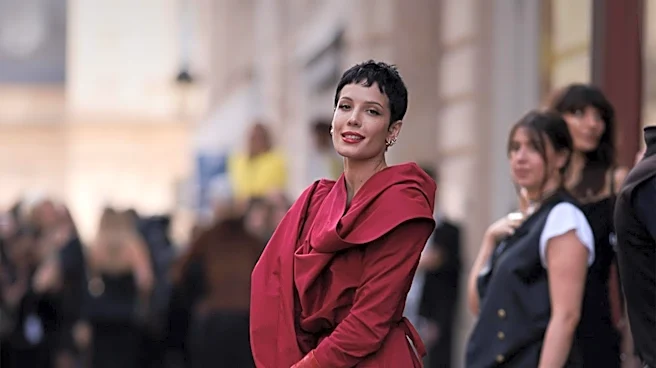
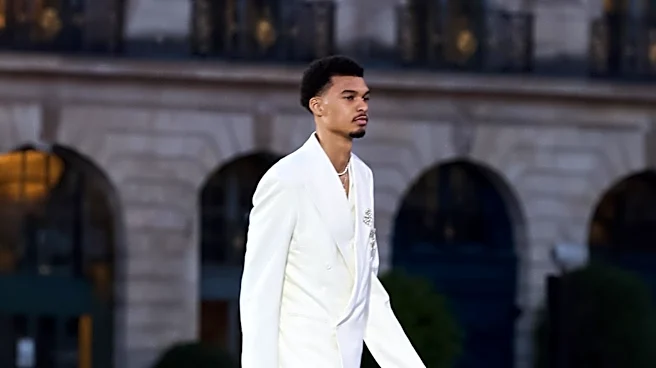
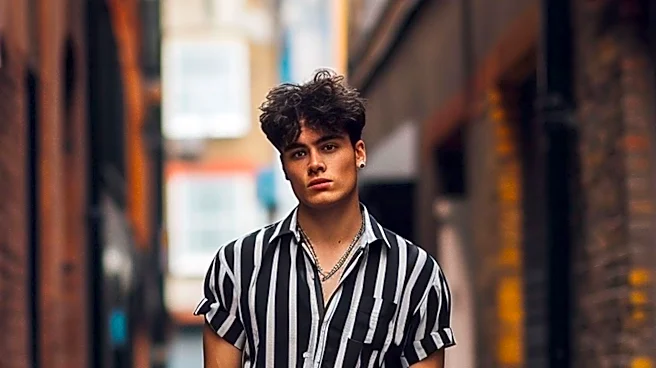
Paris Fashion Week Spring/Summer 2027 has showcased a variety of street style trends that reflect Gen Z's fashion preferences, characterized by gender-bending and playful elements. Attendees are embracing oversized and partially unbuttoned shirts for
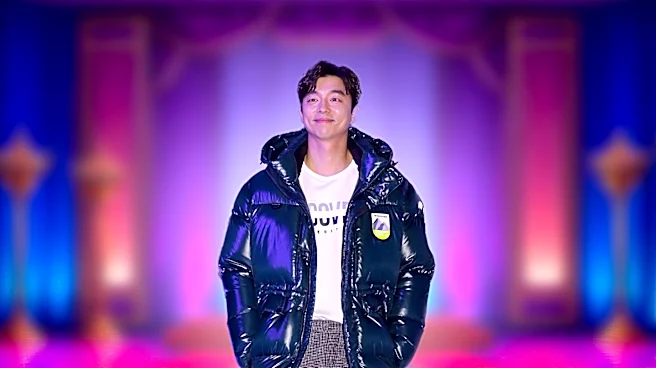
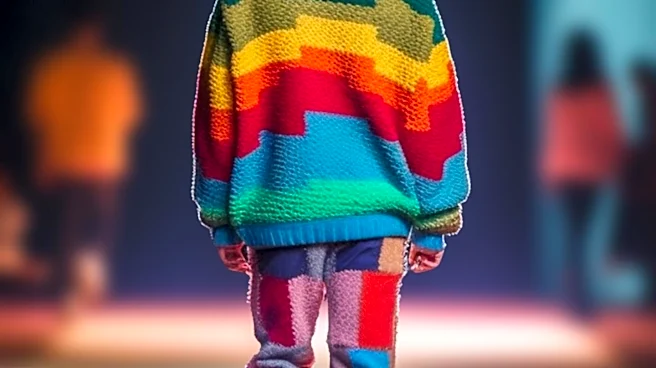
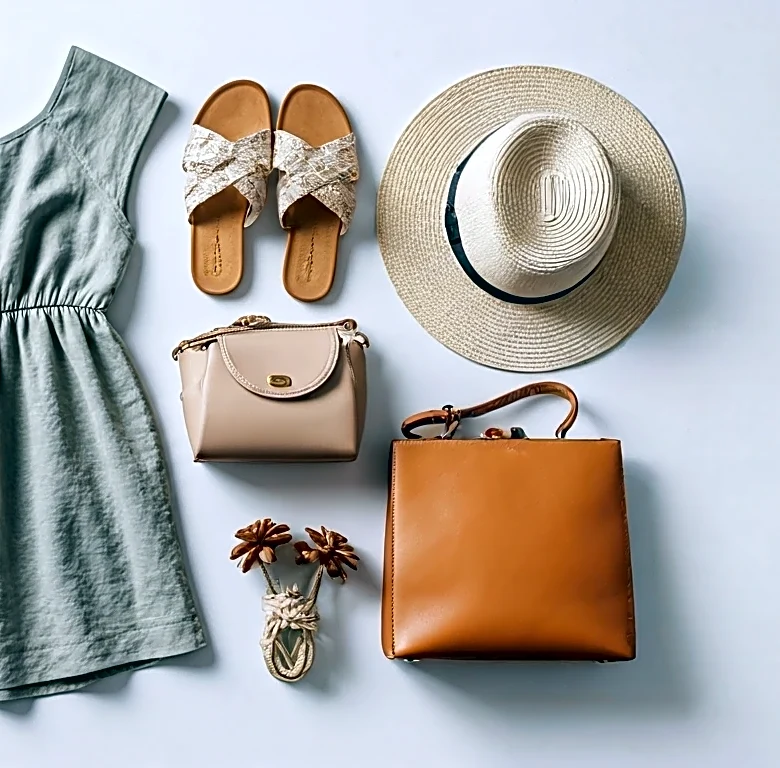
a casual yet stylish look, while Bermuda shorts offer a comfortable yet polished alternative to shorter shorts. Accessories play a significant role, with statement bags featuring humorous and graphic designs, such as a Louis Vuitton bag that appears to be falling open. The use of metallic fabrics is prominent, adding a reflective and dynamic dimension to outfits. Additionally, crochet textures are popular for their breathability in high temperatures, and flip-flops are being paired with formal attire, reflecting a shift towards more relaxed dress codes.
Why It's Important?
The trends observed at Paris Fashion Week highlight a broader cultural shift towards more inclusive and diverse fashion expressions, particularly among Gen Z. This generation is known for challenging traditional gender norms and embracing individuality, which is reflected in their fashion choices. The rise of androgynous styles and playful accessories indicates a move towards more personal and expressive fashion, which could influence mainstream fashion industries to adopt more inclusive designs. The acceptance of traditionally informal footwear like flip-flops in formal settings also suggests a shift in workplace dress codes, potentially impacting retail strategies and consumer expectations.
What's Next?
As these trends gain traction, fashion brands may increasingly focus on creating gender-neutral collections and incorporating playful elements into their designs. Retailers might also adapt to the growing demand for versatile and comfortable clothing that aligns with Gen Z's values. The fashion industry could see a rise in collaborations with influencers and designers who champion diversity and inclusivity. Additionally, the acceptance of relaxed dress codes in professional environments may lead to changes in corporate fashion policies, influencing how businesses approach employee attire.
Beyond the Headlines
The embrace of androgynous and playful fashion by Gen Z could have long-term cultural implications, promoting greater acceptance of diverse identities and expressions. This shift may encourage other industries to adopt more inclusive practices, reflecting a broader societal move towards equality and representation. The fashion industry's response to these trends could also influence global fashion capitals, potentially leading to a more unified and diverse fashion landscape.