




What's Happening?
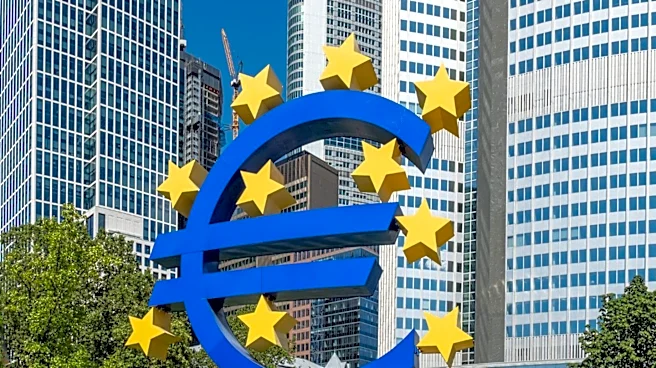
The European Investment Bank (EIB) has approved €9.2 billion in new financing. This substantial funding package is designed to enhance European competitiveness, accelerate the energy transition, and strengthen global strategic partnerships. A significant
portion, €4.3 billion, is allocated to businesses across nine EU countries: Croatia, the Czech Republic, France, Greece, Italy, Poland, Romania, Slovakia, and Spain. This support will be channeled through local banks, primarily targeting small and medium-sized enterprises (SMEs) operating in critical sectors such as security and defense, aerospace, energy, and agriculture. Additionally, the EIB has approved investments in energy infrastructure, including electricity grids in Germany and Greece, solar energy projects in Italy, and district heating infrastructure in Lithuania. Beyond the EU, the EIB is also funding projects like electricity grids in Brazil, solar energy and battery storage in Egypt, support for women smallholder farmers in Kenya, Rwanda, Tanzania, and Uganda, and medical equipment in Kosovo. These investments align with the EU's 'Global Gateway' strategy, aiming to foster sustainable economic partnerships worldwide.
Why It's Important?
This EIB financing package is crucial for several reasons. Domestically, it aims to bolster the competitiveness of European businesses, particularly SMEs, which are vital for economic growth and job creation. By focusing on sectors like security, defense, and energy, the EIB is addressing strategic autonomy and resilience within the EU. The investments in renewable energy and electricity grids are pivotal for accelerating Europe's energy transition, reducing reliance on fossil fuels, and achieving climate goals. This move is expected to enhance energy security and contribute to a more sustainable energy landscape across the continent. Internationally, the funding for projects in Brazil, Egypt, and several African nations underscores the EU's commitment to global partnerships and development. These investments can foster economic stability, improve infrastructure, and support vulnerable communities, thereby strengthening the EU's geopolitical influence and promoting its values on a global scale. The emphasis on women smallholder farmers, for instance, highlights a focus on inclusive growth and gender equality in development efforts.
What's Next?
The approved financing will now proceed to implementation, with funds being disbursed through local banks to businesses and directly to infrastructure projects. The EIB Group, as the financing arm of the European Union, will continue to monitor the progress and impact of these investments. The focus on strengthening European competitiveness and energy autonomy suggests that similar financing initiatives may follow as the EU continues to pursue its strategic objectives. The EIB's ongoing role in crowding in private investment for high-risk innovative projects and businesses, particularly through the European Investment Fund (EIF), indicates a sustained effort to nurture Europe's entrepreneurial ecosystem. Future reports from the EIB will likely detail the outcomes and successes of these projects, particularly in terms of job creation, energy savings, and enhanced strategic capabilities. The 'Global Gateway' strategy will also see continued efforts to forge sustainable economic partnerships globally, with further investments expected in key regions.
Beyond the Headlines
Beyond the immediate economic and energy implications, this EIB financing package reflects a broader strategic shift within the European Union towards greater self-reliance and global influence. The emphasis on security and defense sectors for SME support signals a recognition of evolving geopolitical landscapes and the need for a robust European industrial base in these critical areas. The significant investment in renewable energy and energy infrastructure not only addresses climate change but also aims to reduce the EU's vulnerability to external energy supply shocks, fostering a more resilient and independent energy future. Furthermore, the international projects, particularly those supporting women smallholder farmers in Africa, highlight a commitment to ethical development and sustainable practices, aligning with the EU's values of social equity and environmental stewardship. This integrated approach, combining economic competitiveness, energy security, and global partnerships, underscores a comprehensive strategy for the EU's long-term stability and prosperity in a complex world.