



What's Happening?
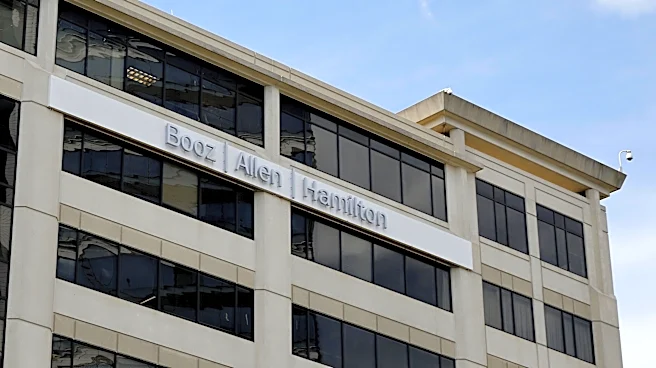
Booz Allen Hamilton, a major consulting firm, has established a new policy regarding the use of Artificial Intelligence (AI) during its job interview process. The company explicitly prohibits candidates from using AI or other similar tools to assist with
responses during interviews, whether conducted in-person or virtually, unless explicit permission is granted. This policy is part of Booz Allen's broader commitment to the responsible and ethical application of AI tools in its daily operations. The firm emphasizes its desire to ensure a fair candidate evaluation process that is based solely on an individual's own skills and knowledge. This move reflects a growing trend among organizations to address the implications of AI in recruitment and assessment, aiming to maintain the integrity of their hiring practices. The company also notes that AI is integrated into its daily work, underscoring the importance of understanding how candidates genuinely apply their own intellect and experience.
Why It's Important?
This policy from Booz Allen Hamilton is significant as it highlights the evolving challenges and ethical considerations surrounding AI in the professional world, particularly in talent acquisition. By restricting AI use in interviews, the company aims to prevent potential misrepresentation of a candidate's abilities, ensuring that the hiring decisions are based on authentic individual performance. This could set a precedent for other federal contractors and large corporations, influencing how they structure their interview processes in an era where AI tools are increasingly accessible. For candidates, it means a renewed focus on genuine preparation and demonstrating their own problem-solving skills without technological assistance. The policy also underscores the tension between leveraging AI for efficiency and maintaining human authenticity and fairness in critical processes like hiring, impacting how future workforce development and assessment strategies are designed across industries.
What's Next?
The implementation of Booz Allen Hamilton's AI usage policy for interviews is likely to prompt other companies, especially those in the federal contracting and technology sectors, to review and potentially revise their own hiring guidelines. This could lead to a broader industry standard where candidates are explicitly warned against using AI during assessments. Companies may also explore new methods to detect AI-generated responses or design interview questions that are less susceptible to AI assistance. For job seekers, this means a greater emphasis on developing and showcasing their original thought processes and communication skills. Furthermore, the policy might spur discussions within the AI ethics community about best practices for integrating AI into HR functions while preserving fairness and transparency, potentially leading to industry-wide guidelines or certifications for AI-assisted recruitment tools.
Beyond the Headlines
Beyond the immediate impact on hiring practices, Booz Allen Hamilton's policy touches upon deeper ethical and philosophical questions about the role of AI in human performance and authenticity. As AI tools become more sophisticated, the line between human-generated content and AI-assisted content blurs, posing challenges to evaluating individual merit. This policy reflects a societal concern about maintaining genuine human capability and creativity in professional settings. It also highlights the potential for a 'digital divide' in interview preparation, where access to advanced AI tools could create an unfair advantage if not regulated. The company's stance could contribute to a broader conversation about digital literacy and ethical AI use in education and professional development, encouraging individuals to develop critical thinking and problem-solving skills that cannot be easily replicated by machines, thereby shaping the future of work and human-AI collaboration.