




What's Happening?
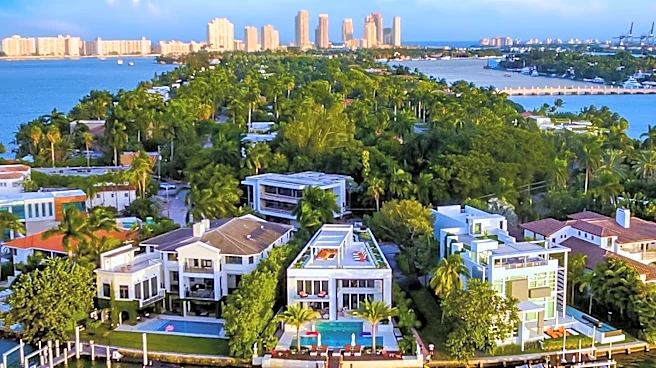
Ripple CEO Brad Garlinghouse has sold his waterfront mansion on Sunset Islands in Miami Beach for $34.5 million to an undisclosed buyer. The sale, conducted off-market, more than doubles the $16.6 million Garlinghouse's trust paid for the property in September
2024, when it was still under construction. The 6,370-square-foot home, located at 1401 West 22nd Street, features six bedrooms and six and a half bathrooms on a 0.3-acre lot overlooking Biscayne Bay. The transaction involved the 1401 W. 22 Street Land Trust, with Chad Gunther as trustee, selling to Sunset Grove Holdings LLC, which is managed by a Swiss wealth management firm. Garlinghouse, who has led San Francisco-based fintech company Ripple since 2017, is known for his work in enterprise blockchain solutions for cross-border payments and digital asset custody. This sale follows another recent real estate acquisition by a company tied to his wife, Tara Garlinghouse, who purchased a Miami Beach mansion for $17.2 million last month.
Why It's Important?
This high-value real estate transaction underscores the continued surge in property values within exclusive enclaves like the Sunset Islands in Miami Beach. The significant appreciation of the property, more than doubling in just two years, highlights the robust demand for luxury waterfront homes in the region, driven by factors such as gated communities and proximity to upscale amenities. The involvement of a prominent fintech CEO like Brad Garlinghouse in such a high-profile sale also reflects the growing wealth and investment activity from the technology and cryptocurrency sectors into prime real estate markets. This trend can influence local economies, property tax revenues, and the overall real estate landscape, potentially making luxury properties less accessible to a broader range of buyers and further solidifying Miami Beach's status as a destination for ultra-high-net-worth individuals. The sale also indicates a broader pattern of wealth migration and investment diversification among tech industry leaders.
What's Next?
The continued demand for luxury properties in Miami Beach suggests that property values in areas like the Sunset Islands are likely to remain strong, attracting further investment from high-net-worth individuals. Real estate agents and developers in the region may continue to focus on off-market deals for exclusive properties, catering to buyers seeking privacy and discretion. The influx of wealth from the fintech and tech sectors could also lead to increased development of high-end residential and commercial projects in Miami, further transforming the city's economic and social landscape. Local government bodies may see increased property tax revenues, which could be allocated to public services or infrastructure projects. However, sustained price increases could also raise concerns about affordability and gentrification in surrounding areas, potentially prompting discussions about housing policies and urban planning.
Beyond the Headlines
The sale of Brad Garlinghouse's mansion reflects a broader narrative of how wealth generated in the rapidly evolving fintech and crypto industries is being deployed into traditional luxury assets. This trend highlights the increasing convergence of new-economy wealth with established markets, potentially reshaping investment patterns and economic power centers. The use of trusts and wealth management firms in Switzerland for such transactions also points to sophisticated financial planning strategies employed by high-net-worth individuals, often for privacy and asset protection. Furthermore, the significant appreciation of the property in a short period raises questions about market sustainability and potential speculative bubbles in ultra-luxury real estate, especially in desirable coastal markets. This phenomenon could also influence local cultural dynamics, as new residents bring different lifestyles and demands, potentially altering the character of established communities.