

What's Happening?
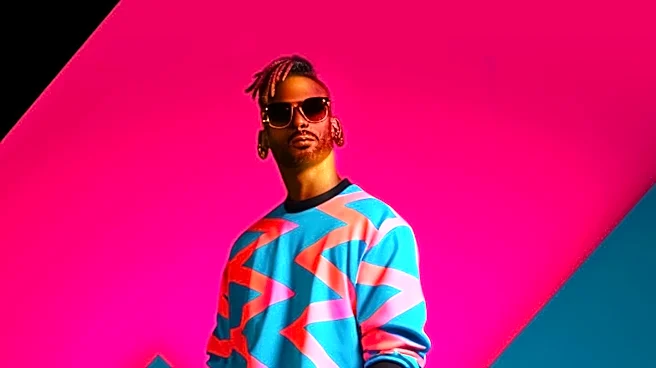
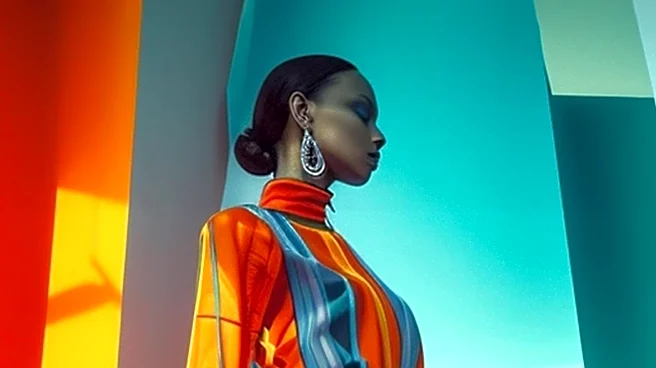
Fashion photography is diversifying into distinct styles, moving beyond merely documenting clothing. Editorial photography, in particular, is emerging as a significant art form, focusing on storytelling, mood, and conceptual narratives rather than just
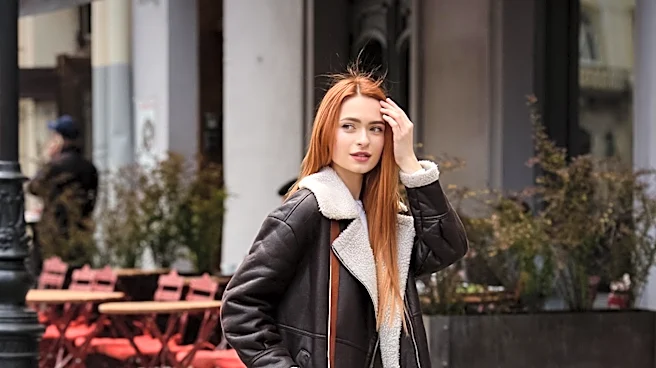
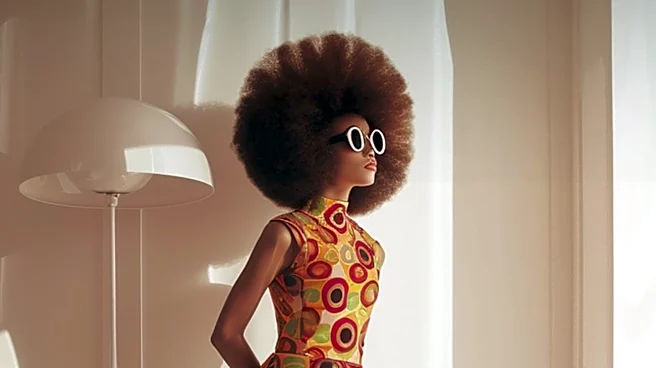
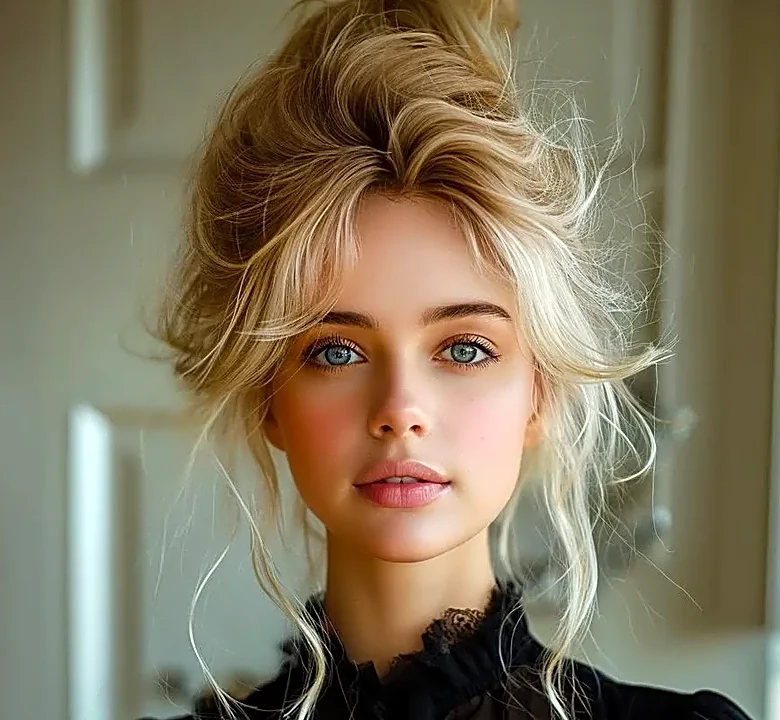
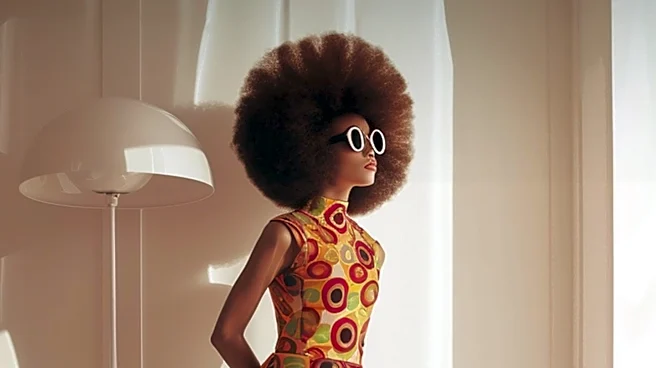
showcasing garments. Unlike runway photography, which prioritizes clear, accurate depictions of collections for buyers and press, editorial shoots are meticulously planned, often over several days. They involve controlled lighting, specific locations, and extensive hair, makeup, and styling. This approach allows for creative direction, multiple takes, and significant post-production, including color grading and retouching. The goal is to create an image that tells a story, explores a cultural reference, or delves into a color theory concept, making the clothes part of a larger artistic vision rather than the sole focus.
Why It's Important?
This evolution in fashion photography is important for the U.S. fashion industry as it elevates the artistic and narrative potential of visual marketing. By moving towards more conceptual and story-driven editorials, brands can create deeper connections with consumers, fostering emotional engagement beyond product display. This shift also provides greater creative opportunities for photographers, stylists, and art directors, pushing the boundaries of fashion as a form of artistic expression. For consumers, it means a richer, more engaging visual experience that can influence trends and perceptions of style. The emphasis on narrative and mood in editorials can also help differentiate brands in a competitive market, allowing them to cultivate a unique identity and resonate with specific audiences who appreciate artistic depth in fashion communication.
What's Next?
The trend towards conceptual fashion editorials is expected to continue, with an increasing demand for photographers and creative teams capable of building intricate narratives and moods around collections. This will likely lead to more collaborations between fashion brands and artists from various disciplines, including filmmakers, set designers, and digital artists, to create immersive visual experiences. Publications and brands may invest further in high-concept editorial shoots to stand out in a crowded digital landscape. Additionally, educational institutions and photography programs may adapt their curricula to emphasize storytelling and creative direction in fashion photography, preparing the next generation of professionals for this evolving field. The integration of advanced digital techniques and virtual environments in editorial production could also become more prevalent, offering new avenues for artistic expression.
Beyond the Headlines
The rise of editorial photography as a distinct art form has broader implications for how fashion is perceived culturally. It challenges the traditional view of fashion as purely commercial, positioning it instead as a medium for artistic expression and cultural commentary. This shift can influence public discourse on aesthetics, identity, and societal values, as editorials often explore themes beyond just clothing. Ethically, it raises questions about authenticity and the line between artistic interpretation and commercial manipulation, especially with heavy post-production. Legally, it could impact intellectual property rights for creative concepts and visual narratives. Culturally, it contributes to a more sophisticated visual literacy among audiences, encouraging them to look beyond the surface of an image and engage with its underlying story and artistic intent, thereby enriching the cultural landscape of fashion.