







What's Happening?
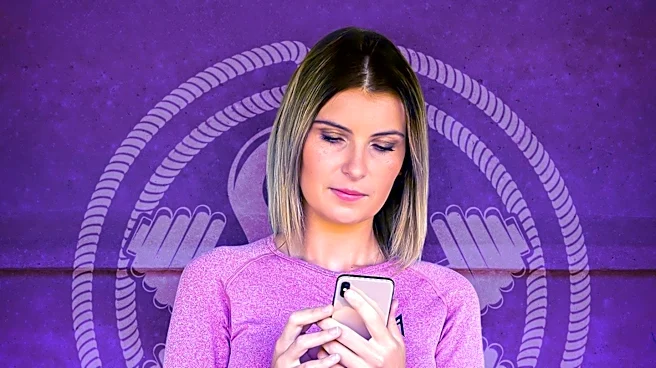
Fitness influencers are utilizing a range of proactive strategies to cultivate their personal brands and foster engagement with their followers on social media platforms. According to Academy of Management Scholar Tim Pollock of the University of Tennessee,
Knoxville, these tactics include frequent posting, actively commenting on other users' content, and sharing relatable personal posts. Key content types that drive engagement are 'before-and-after' transformation pictures, showcasing significant physical changes, and exercise selfies taken in unique or visually appealing locations beyond a typical gym setting, such as beaches or mountains. Influencers also enhance engagement by incorporating positive emotional language and congratulatory messages in their interactions. Beyond fitness-specific content, sharing personal details and 'warmth images'—like photos with family or friends during social activities—helps followers connect with influencers on a more personal level, increasing perceived authenticity and likeability. The average engagement rate for top American fitness influencers on Instagram is reported to be 4.5%, with a predominant female audience.
Why It's Important?
The strategic approaches employed by fitness influencers highlight a significant shift in how personal branding and community building are achieved in the digital age. This model demonstrates the effectiveness of consistent, relatable, and emotionally resonant content in capturing and retaining audience attention. For individuals and businesses across various sectors, these insights offer a blueprint for enhancing online presence and fostering a loyal following, emphasizing the importance of authenticity and active participation. The high engagement rates and specific demographic appeal (predominantly female audience) underscore the power of niche marketing and tailored content delivery. Understanding these dynamics is crucial for marketers, social media strategists, and aspiring influencers seeking to navigate the competitive landscape of online content creation, illustrating that success hinges not just on visibility but on meaningful interaction and connection.
What's Next?
The continued evolution of social media platforms will likely see fitness influencers refining these strategies, potentially incorporating new technologies and interactive features to deepen engagement. As the digital landscape becomes more saturated, there will be an increased emphasis on authenticity and unique content differentiation to stand out. Influencers may explore more collaborative content, live sessions, and personalized interactions to maintain their connection with followers. Furthermore, the success of these engagement tactics could lead to their adoption by other industries and professional fields looking to build online communities and personal brands. The focus on relatable personal stories and positive emotional language suggests a future trend where content creators prioritize human connection and community support over purely aspirational or commercial messaging, potentially leading to more nuanced and diverse forms of online influence.
Beyond the Headlines
The success of fitness influencers in building engaged communities points to broader societal trends regarding health, self-improvement, and digital identity. The emphasis on 'before-and-after' photos and exercise in 'funky locations' reflects a cultural value placed on visible transformation and aspirational lifestyles, often blurring the lines between personal journey and curated performance. The use of 'warmth images' and personal posts suggests a desire for genuine connection in an increasingly digital world, where followers seek not just expertise but also relatability and a sense of shared experience. This phenomenon also raises questions about the psychological impact of constant self-presentation and the potential for idealized portrayals to influence self-perception among followers. The strategies employed by these influencers underscore the evolving nature of celebrity and influence, where accessibility and perceived authenticity can be as powerful as traditional forms of authority.