

What's Happening?
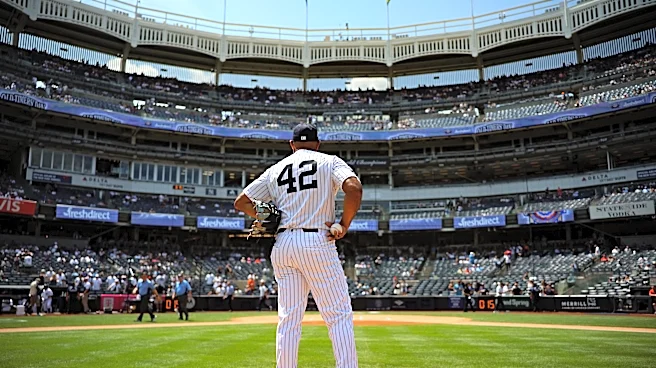
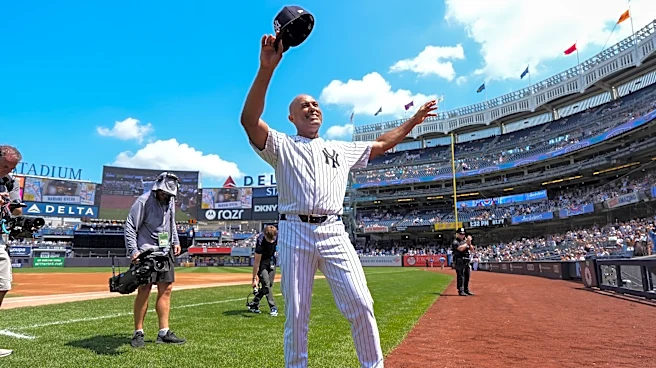
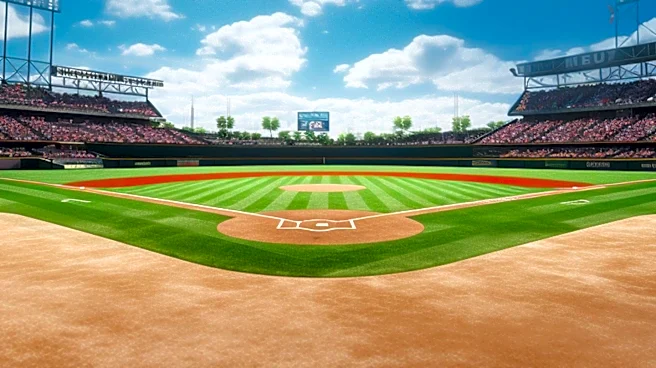
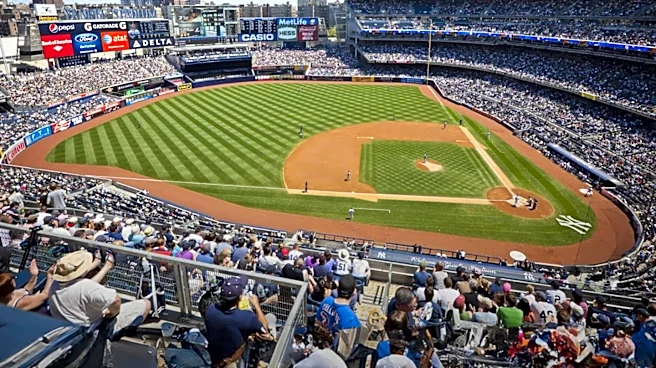
Michael Kay, a prominent sports broadcaster, expressed disappointment over the low turnout at the New York Yankees' Old-Timers' Day event, despite over 45,000 tickets being sold. The event, which traditionally draws large crowds, saw fewer than half the seats
filled. Kay attributed the lack of attendance to several factors, including the timing of the event and a heat advisory in New York City, with temperatures nearing 100 degrees. He noted that the allure of Old-Timers' Day has diminished over the years, contrasting the current situation with the past when legendary players like Yogi Berra and Mickey Mantle were introduced. Kay suggested that the absence of iconic figures like Derek Jeter might also contribute to the waning interest.
Why It's Important?
The decline in attendance at Old-Timers' Day highlights a potential shift in fan engagement and interest in nostalgic events. This trend could impact the Yankees' revenue and the broader MLB's efforts to maintain fan loyalty. The situation underscores the challenges sports organizations face in adapting to changing fan demographics and preferences. The Yankees, a storied franchise, may need to innovate their approach to such events to rekindle interest and attendance. The broader implication is a need for sports teams to reassess how they connect with fans, especially in an era where live attendance is competing with digital and other entertainment options.
What's Next?
The Yankees and other MLB teams might consider revising the format of Old-Timers' Day to attract more fans. This could involve incorporating more interactive elements or featuring recent retirees who resonate with younger audiences. Additionally, addressing logistical issues such as event timing and weather conditions could improve attendance. The Yankees may also explore marketing strategies that emphasize the unique experience of attending such events live, potentially leveraging digital platforms to reach a broader audience. The outcome of these efforts could set a precedent for how traditional sports events are managed in the future.