







What's Happening?
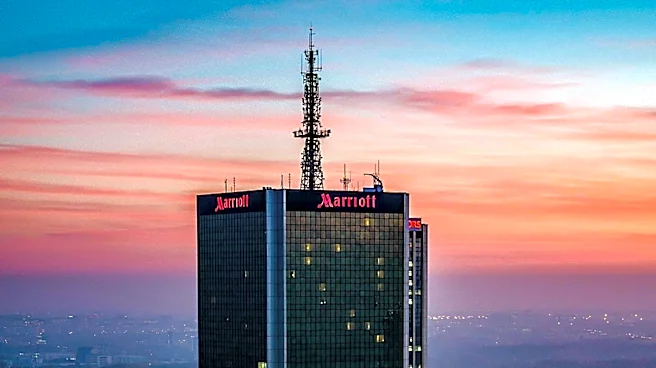
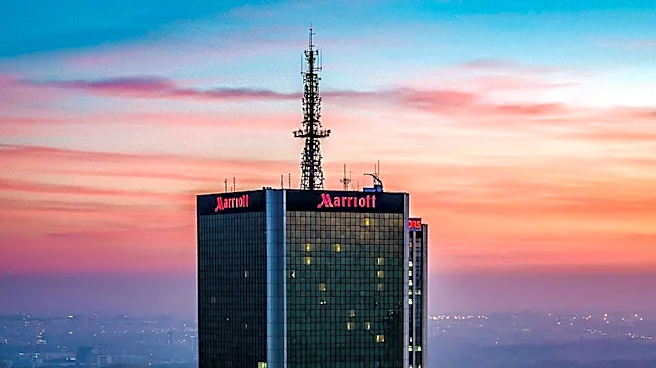
Marriott International has released its 'Future of Food 2027' report, detailing significant shifts in food and beverage trends across Asia Pacific, excluding China. The report, based on insights from chefs, hospitality experts, and Marriott properties,
indicates a move away from traditional formal dining towards more intimate, locally-rooted experiences. Key findings include a surge in demand for authentic local signature dishes, with 95% of surveyed properties identifying this as a major trend. Dining is also becoming more fluid, extending beyond traditional restaurants to bars, lounges, and flexible spaces within hotels, transforming them into social and cultural hubs. Technology, particularly AI, is playing a supporting role, enhancing menu development, marketing, staffing, and guest insights, allowing for more personalized hospitality. For instance, 100% of restaurants and bars surveyed in Thailand are already utilizing AI in their operations. The report emphasizes that the story behind the food and dining location is becoming increasingly important to guests.
Why It's Important?
This shift in dining preferences, as identified by Marriott International, has significant implications for the global hospitality industry, including U.S.-based companies operating internationally. The emphasis on hyper-local, authentic, and experience-driven dining means that standardized, globalized menus may become less appealing to consumers. U.S. hotel chains and restaurant groups with a presence in Asia Pacific will need to adapt their strategies to incorporate regional talent, locally sourced ingredients, and culturally relevant dining concepts. This could lead to increased investment in local culinary talent and supply chains, fostering economic growth in those regions. Furthermore, the integration of technology like AI into F&B operations, as highlighted in the report, suggests a broader trend towards digital transformation in hospitality. U.S. companies that can effectively leverage AI for personalized guest experiences and operational efficiency will gain a competitive advantage, potentially influencing technology adoption rates and innovation in the U.S. hospitality sector as well.
What's Next?
In response to these trends, Marriott International plans to introduce its APEC Plant-Forward Program across the Asia Pacific region in 2027, aiming to integrate plant-forward dining into its operational foundation permanently. This initiative signals a broader industry movement towards healthier and more sustainable dining options. Hotels and restaurants in the region are expected to continue evolving towards creating smaller, more distinctive spaces that deeply understand their local context—ingredients, culture, people, and design. The focus will be on leveraging technology to enhance genuine hospitality and tell stories that emotionally connect guests to the destination and cuisine. This will likely lead to further innovation in menu development, restaurant design, and guest engagement strategies, with a strong emphasis on authenticity and intentionality in the dining experience.
Beyond the Headlines
The report's findings suggest a deeper cultural shift where consumers are increasingly seeking authenticity and connection through their dining experiences. This extends beyond mere culinary preferences to a desire for narratives and a sense of place. For the hospitality industry, this means that success will increasingly depend on becoming 'cultural storytellers,' embedding regional talent and local traditions into every aspect of the dining experience. This trend could foster a greater appreciation for diverse culinary heritage and local economies. The move towards '99-minute fine dining' also reflects a broader societal shift towards efficiency and curated experiences, even in luxury settings. This could influence how luxury services are perceived and delivered globally, prioritizing impactful moments over prolonged engagements. The growing demand for wellness-focused dining and alcohol alternatives further underscores a holistic approach to guest well-being, indicating a long-term shift in consumer values that extends beyond the plate.