





What's Happening?
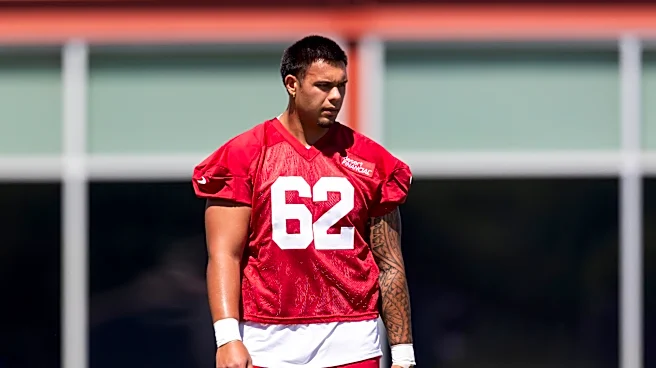
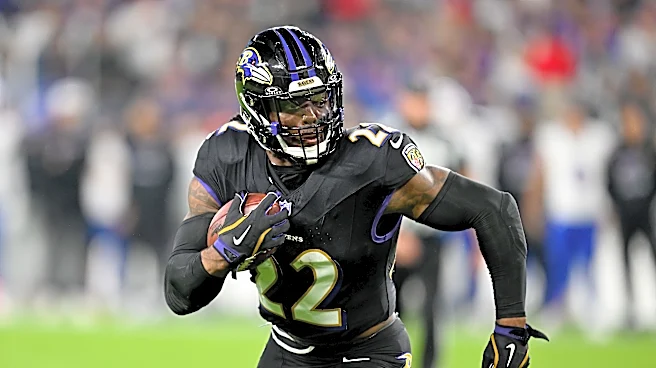
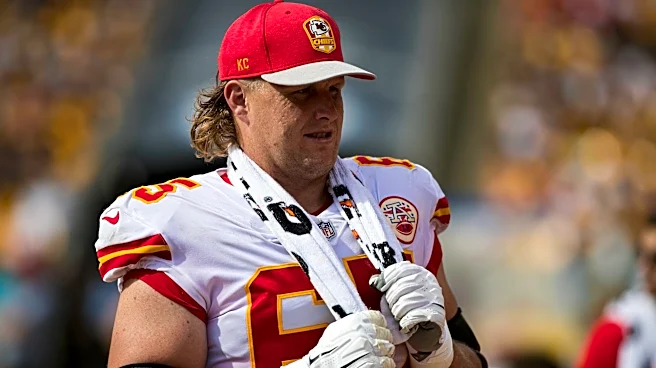
The Los Angeles Chargers have released Ben Cleveland, a former offensive lineman for the Baltimore Ravens, following a series of off-field issues. Cleveland, who was a third-round pick in the 2021 NFL Draft, faced a three-game suspension in December 2025
for violating the NFL's substance abuse policy. This suspension was linked to a DUI arrest in February 2025, where Cleveland registered a blood alcohol content of .178, more than double the legal limit. Despite playing 64 games with seven starts over five seasons, Cleveland's performance and off-field behavior have been under scrutiny. The Ravens' interior offensive line, including Cleveland, was criticized as one of the NFL's weakest in 2025, contributing to the team's failure to make the playoffs.
Why It's Important?
The release of Ben Cleveland highlights ongoing challenges within the NFL regarding player conduct and team performance. Cleveland's suspension and subsequent release underscore the league's strict policies on substance abuse and the impact of personal conduct on professional careers. For the Ravens, the departure of Cleveland and other changes in their offensive line reflect a strategic shift to address weaknesses that jeopardized their playoff aspirations. This move also signals to other players the importance of maintaining professional standards both on and off the field. The Chargers' decision to part ways with Cleveland may influence other teams' approaches to handling similar situations.
What's Next?
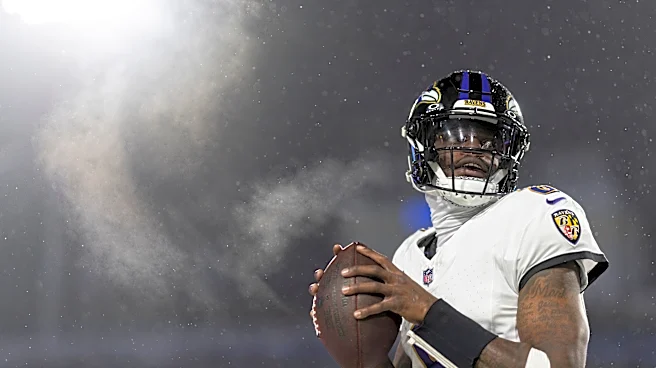
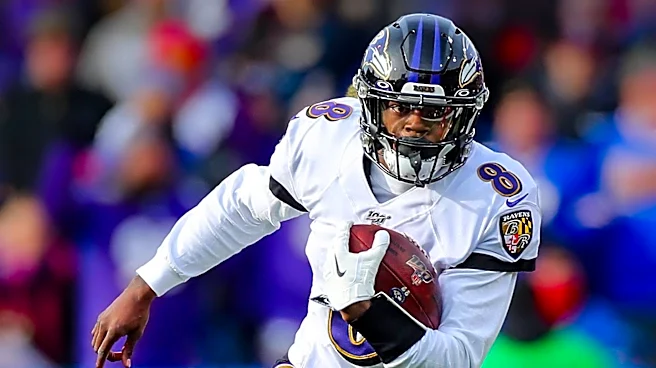
The Ravens have already begun restructuring their offensive line, drafting Penn State guard Vega Ioane and signing free agent John Simpson. These changes aim to strengthen their line and improve protection for quarterback Lamar Jackson. As the NFL preseason approaches, the Ravens will evaluate the effectiveness of these new additions. Meanwhile, Cleveland's future in the NFL remains uncertain, as teams may be hesitant to sign a player with a history of off-field issues. The league will continue to monitor player conduct closely, potentially leading to further policy adjustments to prevent similar incidents.