








What's Happening?
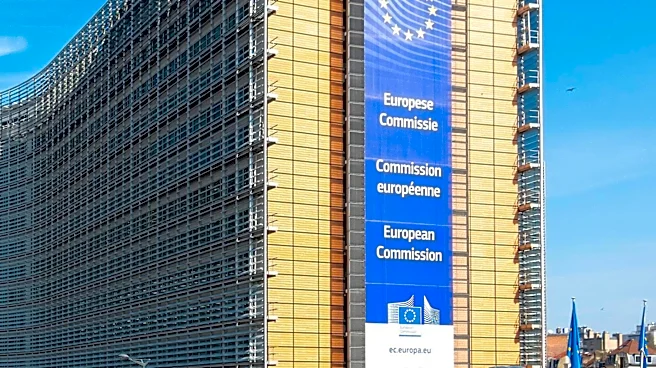
On November 11, 2026, the European Commission introduced the Digital Fairness Act (DFA), a legislative proposal aimed at significantly overhauling EU consumer protection and technology regulation. The DFA seeks to establish new online consumer safeguards
against practices such as dark patterns, addictive design, influencer marketing, and subscription contract issues. It also addresses product-specific concerns like in-game spending. The proposed act would repeal and replace the existing Unfair Commercial Practices Directive (UCPD) to harmonize national laws and prevent member states from imposing divergent obligations on businesses. The DFA's scope is broad, covering business-to-consumer commercial practices throughout the entire consumer journey for products, including digital services and content. It applies to both EU and non-EU businesses, with no SME exemption, though business size is relevant for penalties and human customer service obligations. The Commission anticipates the DFA will apply no earlier than mid-2028, following a negotiation period for the final text.
Why It's Important?
The Digital Fairness Act represents a significant expansion of the EU's regulatory framework, impacting businesses globally that interact with EU consumers. Its comprehensive nature, addressing issues from personalized advertising to AI agents in contracting, means companies will need to meticulously review and potentially overhaul their digital practices. The prohibition of personalized advertising based on minors' data or special category data, and personalized pricing that could harm vulnerable consumers, will necessitate fundamental changes in how businesses target and price their offerings. Furthermore, the act's provisions on addictive design and in-game spending, including the disclosure of loot box probabilities and restrictions on pay-to-progress mechanisms for minors, could reshape the digital entertainment and gaming industries. The potential for fines up to 6% of global annual turnover underscores the financial risks of non-compliance, making this a critical development for any company operating in the digital sphere within the EU.
What's Next?
The proposed Digital Fairness Act will undergo negotiations to finalize its text, with an expected application date no earlier than mid-2028. Businesses, particularly those involved in digital services, e-commerce, and online gaming, should begin assessing their current practices against the DFA's provisions. This includes evaluating their use of personalized advertising, pricing strategies, interface design, and in-game monetization models. Companies will need to prepare for potential changes in their operational and compliance frameworks to align with the new regulations. The European Commission will be empowered to enforce certain infringements, with substantial fines and the possibility of civil claims. The DFA's interaction with other EU laws, such as GDPR, DMA, DSA, and the AI Act, will require careful analysis to navigate the increasingly complex regulatory landscape.
Beyond the Headlines
The Digital Fairness Act reflects a growing global trend towards greater consumer protection in the digital realm, particularly concerning manipulative design and data exploitation. Its focus on 'digital fairness' goes beyond traditional consumer rights, aiming to address the psychological and behavioral aspects of online interactions. The act's provisions on AI agents in contracting, requiring consumer control over automated purchasing decisions and disclosure of conflicts of interest, highlight the ethical considerations surrounding AI's increasing role in commerce. This legislation could set a precedent for other jurisdictions, influencing future regulatory approaches to digital ethics and consumer autonomy worldwide. The emphasis on protecting minors and vulnerable individuals from harmful digital practices also signals a societal shift towards prioritizing well-being over unchecked technological innovation, potentially leading to a more responsible and transparent digital economy.