




What's Happening?
The Hope Garden, established by The Big Garden before 2019 and now supported by the Extension Office Master Gardener program since 2020, serves The Hope Center for Kids. This community garden aims to provide fresh, healthy produce and gardening education
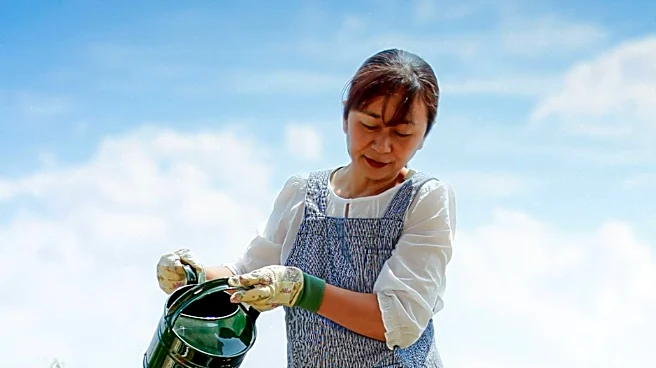
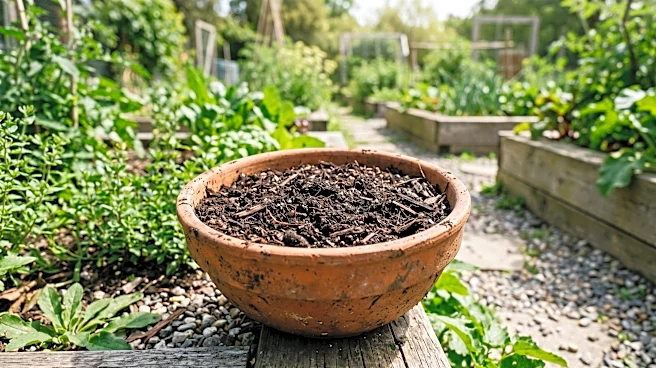
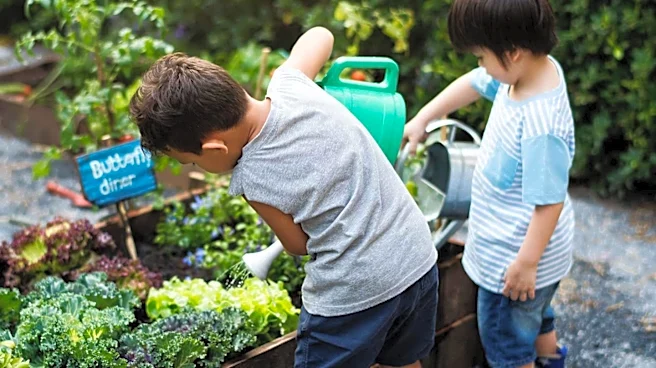
to local children and the broader community. A dedicated team of Master Gardeners oversees the garden throughout the growing season, with planning beginning in January and February, and planting starting in April. Volunteers are actively involved in tending the garden, harvesting produce, and preparing educational lessons for the children who participate weekly. The garden features 13 raised beds, an expanding pollinator bed, several apple and pear trees, and a flower bed. Seeds, seedlings, and transplants are generously donated by various community organizations, local businesses, volunteers, and other nonprofit partners, making it a collaborative community effort.
Why It's Important?
The Hope Garden plays a crucial role in addressing food insecurity and promoting nutritional education within its community. By providing access to fresh, healthy produce, it directly impacts the well-being of families, particularly children, who might otherwise have limited access to such resources. The educational component, where young students learn about planting, growing, and tending a garden, instills valuable life skills and fosters an understanding of where food comes from. This hands-on learning can lead to healthier eating habits and a greater appreciation for sustainable practices. The collaborative nature of the garden, involving Master Gardeners, volunteers, and community partners, strengthens community bonds and demonstrates the power of collective action in creating positive social change. It serves as a model for how community gardens can be integrated into youth development programs to offer both practical skills and nutritional benefits.
What's Next?
The Hope Garden operates on an annual cycle, with planning for the next growing season commencing in January and February, followed by planting in April. The dedicated team of Master Gardeners and volunteers will continue to tend the garden, harvest its produce, and develop educational lessons for the children. The ongoing support from community organizations, local businesses, and nonprofit partners is essential for the garden's sustainability and expansion. Future plans may include further expanding the pollinator bed, adding more fruit trees, or increasing the number of raised beds to serve more community members. The success of this initiative could also inspire other organizations to replicate similar models, further broadening access to fresh produce and gardening education in other underserved areas.
Beyond the Headlines
The Hope Garden embodies the concept of 'food as medicine' and 'education as empowerment.' Beyond simply providing food, it cultivates a sense of ownership, responsibility, and connection to nature among the children involved. The garden acts as a living classroom, teaching not only horticultural skills but also patience, teamwork, and the rewards of hard work. The presence of a pollinator bed highlights an ecological consciousness, demonstrating the interconnectedness of plants, insects, and food production. This initiative also addresses the broader issue of urban food deserts, offering a tangible solution by creating a local source of fresh produce. The community-driven nature of the project fosters social capital, building stronger relationships and a shared sense of purpose among residents and volunteers, ultimately contributing to a more resilient and healthy community fabric.