





What's Happening?
Luxury hotels and resorts are significantly expanding their pet-friendly amenities and experiences in response to a 260 percent year-over-year increase in pet-friendly travel bookings, as reported by TripAdvisor. Properties like San Ysidro Ranch in Montecito,
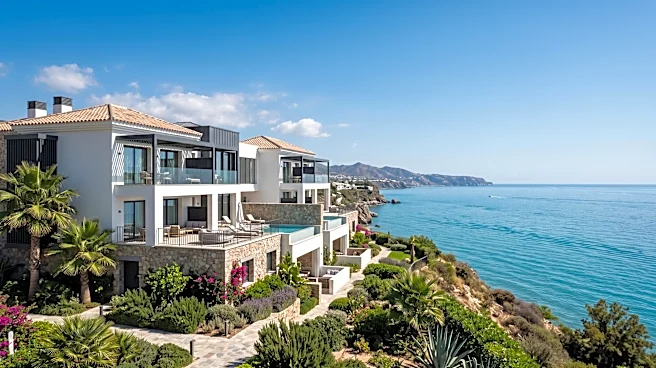
California, Acre Resort in Los Cabos, Mexico, and Villa del Palmar in Loreto, Mexico, are leading this trend. San Ysidro Ranch offers a 'Pampered Pets Program' with a dedicated pet menu and allows dogs on scenic hikes and private cottage patios. Acre Resort, in addition to being fully pet-friendly, runs an on-site rescue and adoption program called Acre Dogs, allowing guests to interact with adoptable animals. Villa del Palmar provides pets with beds, toys, bowls, and gourmet food menus, alongside designated pet-friendly areas including a mountain beach.
Why It's Important?
This surge in luxury pet-friendly offerings reflects a significant shift in the travel and hospitality industry, recognizing pets as integral family members. For pet owners, it means more sophisticated and comfortable travel options, reducing the stress and logistical challenges often associated with traveling with animals. For the hospitality sector, it opens up a lucrative market segment, driving innovation in services and amenities. The increased competition among high-end establishments to cater to pets could set new industry standards, influencing mid-range and budget accommodations to also enhance their pet policies. This trend also highlights the growing human-animal bond and its impact on consumer spending and lifestyle choices, potentially leading to more integrated pet services across various industries.
What's Next?
The continued growth in pet-friendly travel is likely to prompt further innovation in the hospitality sector. More hotels and resorts are expected to introduce specialized pet services, potentially including pet spas, dedicated play areas, and even pet-sitting or walking services. The success of programs like Acre Resort's on-site adoption initiative might inspire other properties to integrate social responsibility or animal welfare components into their pet offerings. Additionally, as demand for pet-friendly travel grows, there could be an increase in specialized travel agencies or platforms focusing solely on pet-inclusive vacations, offering curated experiences and streamlined booking processes. Regulatory bodies might also begin to establish clearer guidelines or certifications for pet-friendly accommodations to ensure consistent standards of care and safety.
Beyond the Headlines
The rise of luxury pet-friendly travel signifies a broader cultural shift where pets are increasingly viewed as beneficiaries of premium services, mirroring human consumer trends. This development challenges traditional notions of pet ownership, elevating it to 'pet parenthood' with corresponding expectations for quality and experience. It also raises questions about accessibility and equity in pet travel, as luxury options may not be feasible for all pet owners. Furthermore, the integration of animal rescue programs within resorts, as seen with Acre Resort, could set a precedent for businesses to combine hospitality with philanthropic efforts, fostering a more compassionate approach to tourism. This trend could also influence urban planning and public infrastructure, leading to more pet-inclusive public spaces and transportation options.