




What's Happening?
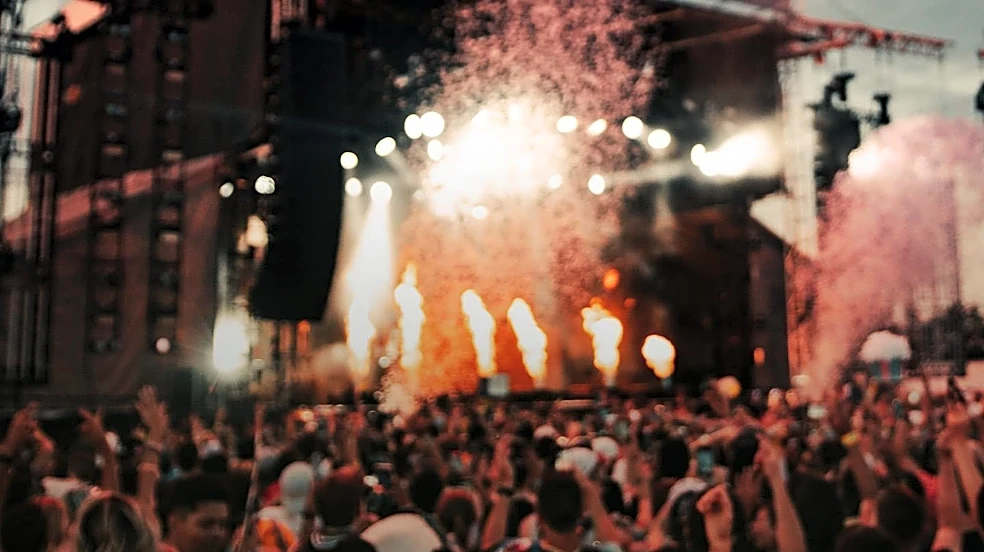
The Pitchfork Music Festival Paris is scheduled to take place from November 2 to 8, 2026. This 15th edition of the festival will span seven days of concerts across approximately ten venues throughout the French capital. Known as one of Europe's leading
indoor festivals for indie and electronic music, the event has evolved significantly since its inception in 2011 at the Grande Halle de la Villette. It now adopts a decentralized format, utilizing small and mid-sized halls across the city, which often results in multiple concerts overlapping on any given evening. Early names confirmed for the 2026 lineup include Headache (the project of writer Francis Hornsby Clark and producer Vegyn), Charlotte Adigéry and Bolis Pupul, pop artist Amore, and electronic duo ear. The festival is expected to feature over 100 artists and bands spanning indie, electronic, and avant-garde genres, with the full lineup to be announced gradually on the official website. Additionally, the Pitchfork Avant Garde segment, running from November 5 to 7, 2026, will transform the Bastille district into a stage for around fifteen emerging artists per night, offering a single pass for access to multiple venues.
Why It's Important?
The Pitchfork Music Festival Paris 2026 is a significant event for the international music scene, particularly for fans and artists within the indie and electronic genres. Its reputation as a leading indoor festival underscores its influence in showcasing emerging talent and curating diverse musical experiences. The festival's decentralized format, utilizing multiple venues across Paris, not only provides a unique urban festival experience but also supports various local music venues, contributing to the city's cultural economy. For artists, being part of the Pitchfork lineup, especially the Avant Garde segment, offers substantial exposure and a platform to reach a global audience. The festival's focus on 'discovery beyond the mainstream' helps to shape musical trends and introduce new sounds to a broader public, influencing future music production and consumption. Economically, the event draws international attendees, boosting tourism and hospitality sectors in Paris during its week-long run. For the music industry, it serves as a key networking opportunity and a barometer for the health and direction of independent music.
What's Next?
As the Pitchfork Music Festival Paris 2026 approaches, further announcements regarding the full lineup, specific venue schedules, and ticket sales will be released gradually through the official website and ticket partners like DICE. Prospective attendees will need to monitor these updates to plan their festival experience, including securing accommodation in Paris. Given the decentralized nature of the festival, attendees will need to strategize their concert schedules, as several performances may overlap. The Pitchfork Avant Garde segment will continue to highlight emerging artists, and its success could influence future festival formats and artist discovery initiatives. The festival's organizers will focus on logistics, coordination across multiple venues, and ensuring a smooth experience for both artists and attendees. The event's impact will be assessed post-festival through attendance figures, media coverage, and social media engagement, which will inform future editions and potentially influence other music festivals globally.
Beyond the Headlines
The Pitchfork Music Festival Paris, by consistently championing indie and electronic music, plays a crucial role in shaping the cultural narrative around contemporary music. Its commitment to 'discovery beyond the mainstream' challenges commercial music paradigms, fostering an environment where artistic innovation and niche genres can thrive. This approach has broader implications for cultural diversity and the democratization of music, providing a counter-narrative to the often-homogenized mainstream music industry. The festival's decentralized model, spreading across various Parisian venues, also reflects a growing trend in urban event planning, integrating cultural events more deeply into the fabric of the city rather than confining them to single, isolated sites. This can lead to a more immersive experience for attendees and a more equitable distribution of economic benefits to local businesses. Furthermore, the festival's influence extends to music journalism and criticism, as Pitchfork's curation often sets benchmarks for what is considered significant and noteworthy in the independent music world, guiding public perception and critical discourse.