






What's Happening?
In 2026, the fashion industry continues to grapple with size inclusivity, as highlighted by a recent analysis from The Curvy Fashionista. Despite claims of inclusivity, plus-size models accounted for less than 1% of runway looks in major fashion weeks,
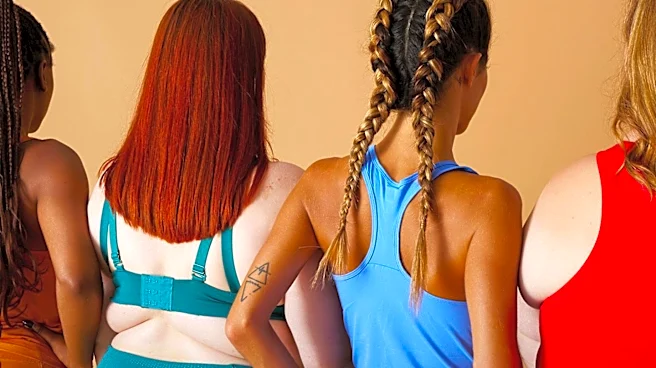
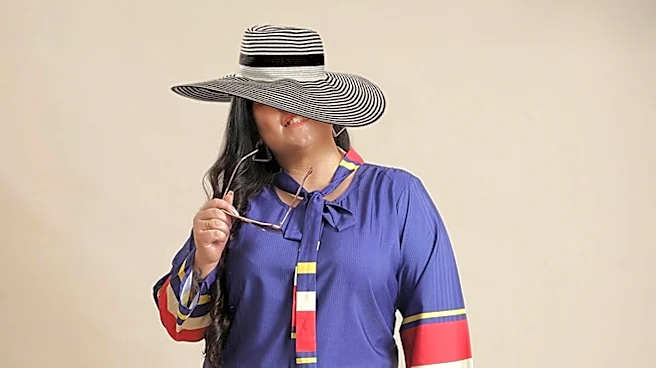
according to a 2025 review by Vogue Business. This lack of representation underscores the challenges faced by plus-size individuals in finding fashionable clothing that fits. The article explores how outfits influence perceptions of body size, revealing societal biases against larger bodies. It discusses how certain outfits, like swimwear or tight silhouettes, can elicit strong reactions, reflecting deep-seated prejudices about body size and fashion.
Why It's Important?
The ongoing struggle for size inclusivity in fashion is crucial as it affects a significant portion of the population. With 67% of American women wearing a size 14 or larger, the lack of representation and limited fashion options for plus-size individuals highlight systemic issues within the industry. This impacts consumer confidence and perpetuates negative stereotypes about body size. The fashion industry's slow progress in embracing size diversity not only limits market potential but also reinforces societal biases. Addressing these issues is essential for fostering a more inclusive and equitable fashion landscape that celebrates all body types.