


What's Happening?
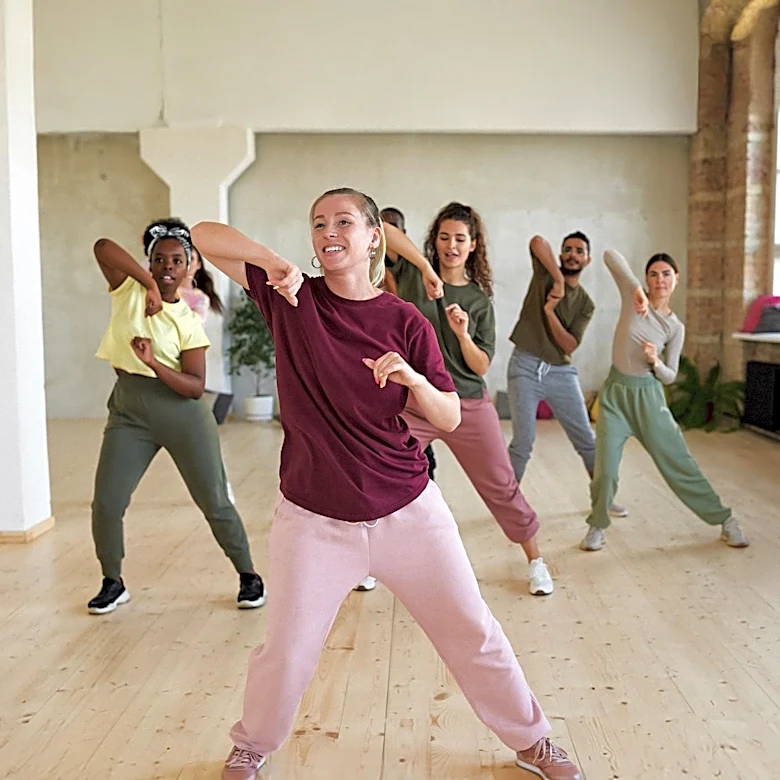
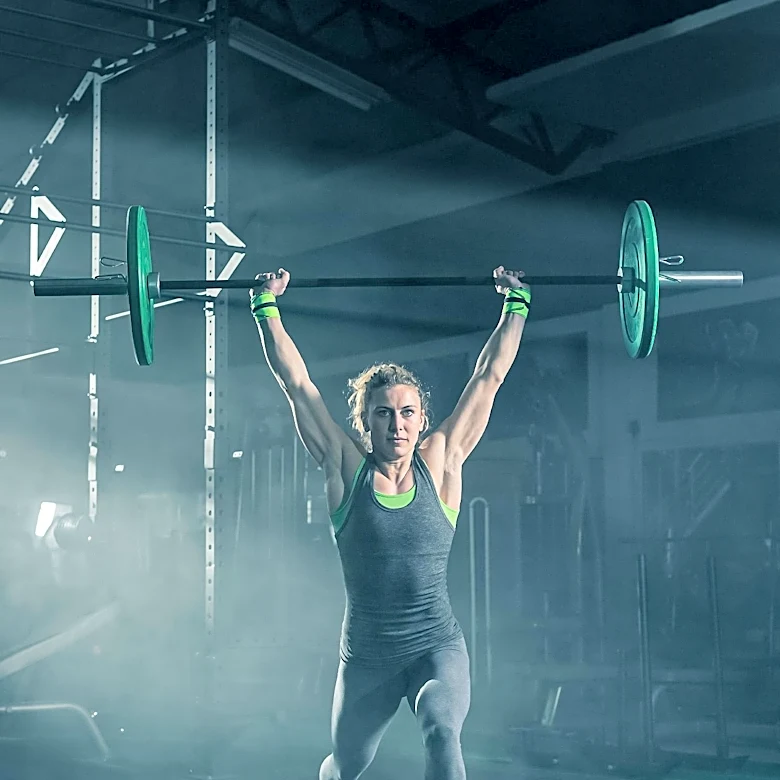
Solidcore, a boutique fitness brand known for its Pilates-inspired resistance machine workouts, is launching a new class called 'Ascend.' This marks the first time in nearly 13 years that the company is expanding beyond its signature offering. Ascend is a high-intensity,
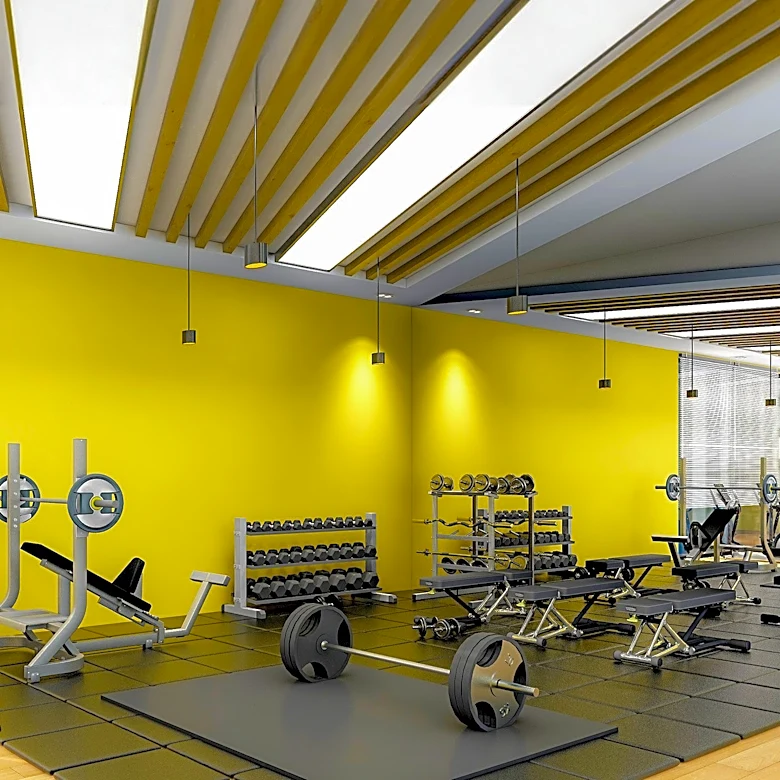
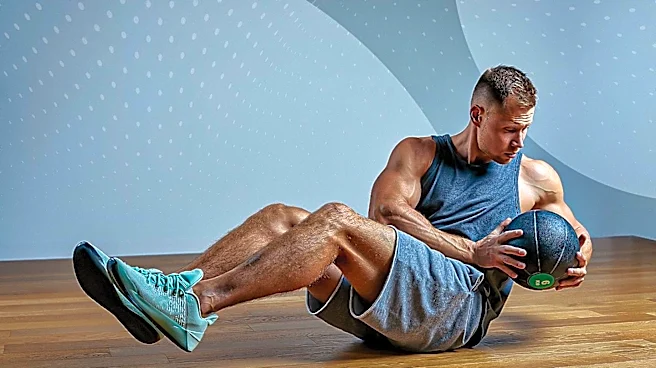
heated, floor-based strength training class that will debut at Solidcore's Manhattan West studio before being rolled out to other locations. The class emphasizes heavier weights and progressive strength training, aiming to appeal to individuals focused on building muscle. It also incorporates an infrared heating system, leveraging emerging research on the heart-health and anti-inflammatory benefits of training in heat. This strategic move by Solidcore reflects a broader shift in the boutique fitness industry, where consumers are increasingly seeking diverse workouts that contribute to longevity, recovery, and overall wellness, rather than solely focusing on aesthetics or calorie burn. The brand acknowledges that this expansion might lead to losing some Pilates purists but is betting on attracting a new generation of members interested in cross-training.
Why It's Important?
This development is important because it signifies a significant adaptation within the U.S. boutique fitness industry to changing consumer demands. For years, the sector was dominated by specialized, high-intensity interval training (HIIT) classes and circuit routines. However, consumers are now more sophisticated, utilizing fitness metrics and seeking a 'fitness portfolio' that addresses a wider range of goals, including muscle building, bone density, joint health, and cardiovascular strength for long-term well-being. Solidcore's introduction of Ascend directly responds to this shift, aiming to complement rather than compete with other workout types. This trend impacts other major fitness brands like Peloton and Orange Theory, which have also diversified their offerings to include strength and mobility classes or partnered with fitness competition brands. The move suggests that boutique fitness studios must evolve beyond single-modality specialization to remain competitive and capture a larger share of the market, as consumers are increasingly looking for holistic approaches to fitness that support a longer, more enjoyable life.
What's Next?
Solidcore plans to roll out its new 'Ascend' class to more locations after its debut in Manhattan West, indicating a broader strategic shift for the company. The success of Ascend will likely influence future expansions and offerings from Solidcore, potentially leading to further diversification of its workout portfolio. Other boutique fitness brands are expected to continue adapting their strategies to meet the evolving demands of consumers who prioritize longevity, recovery, and overall wellness. This could involve more partnerships, the introduction of new class formats, or the integration of advanced technology to provide personalized fitness metrics. The industry may see an increased focus on multimodal classes that cater to a wider array of fitness goals, moving away from the intense specialization that once defined the boutique fitness boom. Brands will need to clearly define their identity and offerings to attract and retain members in this increasingly competitive and diversified market.
Beyond the Headlines
The shift in the boutique fitness industry, exemplified by Solidcore's new offering, highlights a deeper cultural change in how Americans perceive health and exercise. The focus is moving from purely aesthetic goals, such as 'toning' or 'slimming,' to a more functional and long-term perspective centered on 'longevity' and 'wellness.' This reflects a growing awareness of the importance of physical health as an investment in quality of life and aging. The rise of fitness tracking technology has also empowered consumers with data, making them more discerning and proactive in identifying and addressing their specific fitness needs. This trend could lead to a more integrated approach to health, where exercise is viewed as part of a broader wellness ecosystem that includes nutrition, mental health, and recovery. It also suggests a potential for increased collaboration between fitness brands and healthcare providers, as the lines between exercise, preventative care, and overall well-being become increasingly blurred.