








What's Happening?
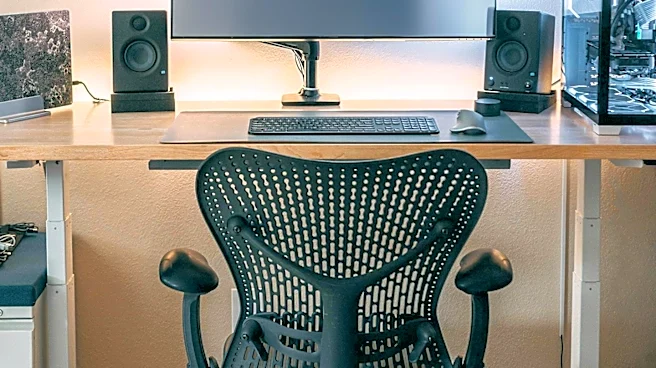
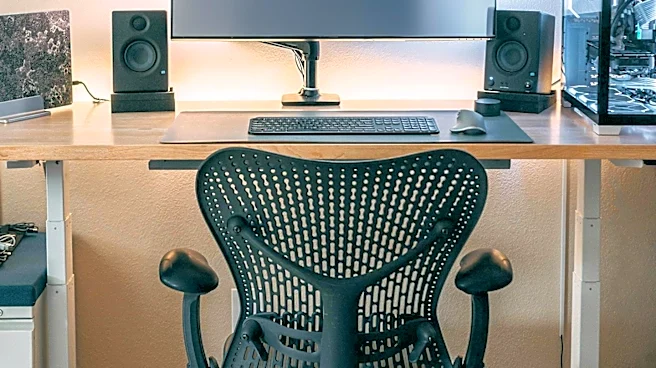
Setting up an effective home office requires careful consideration of ergonomics to prevent health issues and boost productivity, according to recent insights. Key recommendations include adjusting desk height so forearms and wrists form a straight line
with elbows at a 90-degree angle, and ensuring feet are flat on the floor. For standing, the tabletop should be at or just below elbow height, maintaining the same 90-degree arm angle. Essential equipment for a functional home office includes a stable and adequately sized desk, an adjustable ergonomic office chair, and good, glare-free lighting. Monitor placement is also crucial, with the top edge of the screen needing to be at or slightly below eye level to avoid neck and shoulder pain. Tools like monitor stands or laptop stands are suggested to achieve correct viewing height. The market for home office equipment is extensive, and making informed decisions is vital to avoid purchasing impractical or health-detrimental products.
Why It's Important?
The shift towards remote and hybrid work models has made the home office a central component of many Americans' professional lives. Investing in a properly set up ergonomic workspace is critical for long-term health and sustained productivity. Poor ergonomics can lead to chronic pain, reduced focus, and decreased efficiency, impacting individuals' careers and overall well-being. For businesses, supporting employees in creating ergonomic home offices can translate to fewer health-related absences, higher job satisfaction, and improved output. The emphasis on stability, adjustability, and proper posture in home office furniture highlights a growing awareness of the physical demands of prolonged desk work. This trend also influences the furniture market, pushing manufacturers to innovate and offer products that genuinely meet ergonomic standards, rather than just marketing claims.
What's Next?
As remote work continues to be a significant part of the U.S. employment landscape, the demand for high-quality, ergonomic home office solutions is expected to grow. Consumers will likely become more discerning, seeking products that offer verifiable ergonomic benefits and durability. Manufacturers and retailers will need to adapt by providing clearer information on product specifications, such as stability, adjustability ranges, and material quality. There may also be an increased focus on integrated solutions that combine ergonomic design with smart technology, such as desks with built-in charging ports and advanced cable management. Educational initiatives on proper home office setup could also become more prevalent, empowering individuals to make healthier choices for their workspaces.
Beyond the Headlines
The focus on ergonomic home office setups extends beyond mere physical comfort; it touches upon broader societal implications regarding work-life balance and employee welfare. A well-designed home office can blur the lines between work and personal space in a positive way, fostering an environment where individuals feel more in control of their work environment and less prone to burnout. This trend also highlights a cultural shift where employers are increasingly recognizing their responsibility for employee well-being, even when working remotely. Furthermore, the emphasis on sustainability and the longevity of office furniture could become more prominent, encouraging consumers to invest in durable, high-quality pieces rather than disposable items, aligning with broader environmental consciousness.