



What's Happening?
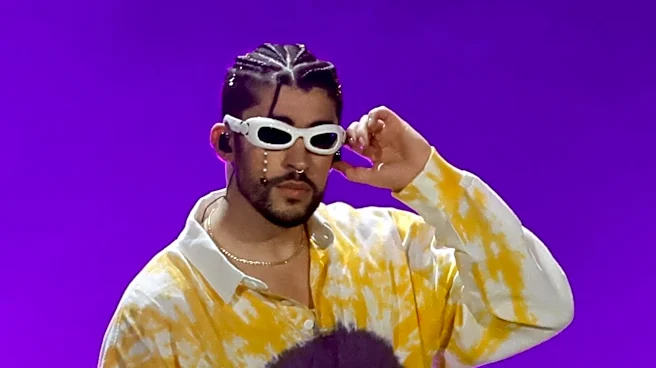
U.S. District Judge Otis D. Wright II has denied Bad Bunny's request to recover $465,612 in legal fees. This decision comes after Bad Bunny successfully defended against a copyright lawsuit concerning a sample used in his 2022 album, 'Un Verano Sin Ti'.
The lawsuit was initiated by Empawa Africa, alleging that Bad Bunny's song 'Enséñame a Bailar' sampled 'Empty My Pocket,' a 2019 track by Nigerian artist Dera, without proper authorization. Bad Bunny's legal team argued that the sample was appropriately licensed through Lakizo Entertainment and that the lawsuit was 'meritless from the beginning,' accusing Empawa of seeking an 'undeserved, multimillion-dollar settlement.' However, Judge Wright ruled that Empawa Africa's case was 'objectively reasonable' and rejected the claim that the lawsuit was pursued with improper motives. The judge noted that Bad Bunny had indeed used copyrighted material and his attorneys failed to provide Empawa with documentation proving permission to use the sample.
Why It's Important?
This ruling underscores the complexities and financial risks associated with copyright law in the music industry, particularly concerning sampling. For artists and record labels, it highlights the critical importance of meticulous documentation and clear licensing agreements for all sampled material. The judge's decision to deny legal fees, despite the lawsuit's dismissal, sends a clear message that even if a case doesn't proceed to a full trial, the initial claims can be deemed reasonable if there's evidence of copyrighted material use without readily available proof of license. This could influence how artists and their legal teams approach sample clearances, potentially leading to more stringent verification processes to avoid similar disputes and unrecoverable legal expenses. It also serves as a cautionary tale for those who might assume that a successful defense automatically guarantees the recovery of legal costs, emphasizing the judiciary's role in assessing the reasonableness of initial legal actions.
What's Next?
The denial of legal fees concludes this particular chapter of the copyright dispute for Bad Bunny. While the lawsuit itself was dismissed due to Empawa and Dera's failure to meet court deadlines, the financial burden of the legal defense will remain with Bad Bunny. This outcome may prompt other artists and their legal teams to re-evaluate their strategies for handling copyright claims, potentially leading to more proactive measures in securing and documenting sample clearances. The ruling could also encourage more thorough pre-litigation communication and evidence sharing to either resolve disputes earlier or strengthen arguments for fee recovery in future cases. For Empawa Africa and Dera, the ruling validates the initial reasonableness of their claim, even though they did not pursue the case to its conclusion, which might influence their approach to future intellectual property enforcement.
Beyond the Headlines
The case delves into the broader implications of intellectual property protection in the digital age, where music sampling is prevalent. The judge's statement that 'The imposition of attorneys’ fees would send the wrong message to parties seeking to protect their intellectual property' highlights a judicial concern for upholding the rights of copyright holders. This perspective suggests a legal environment that aims to deter unauthorized use of creative works, even if the enforcement process faces procedural hurdles. It also touches upon the ethical considerations of using another artist's work, regardless of the commercial success of the resulting product. The incident could contribute to a more cautious approach within the music industry regarding sampling, potentially fostering a greater emphasis on original content creation or more transparent and robust licensing practices to avoid legal entanglements and financial penalties.