






What's Happening?
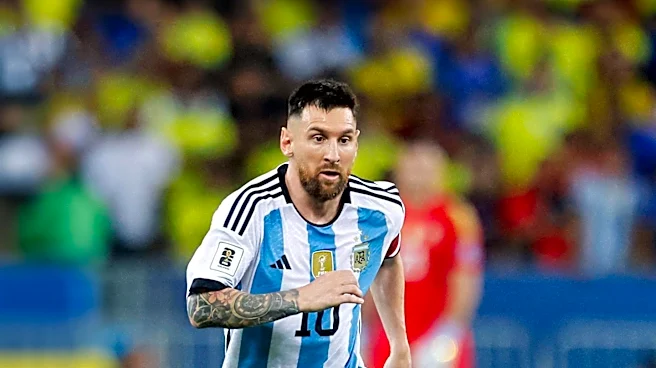
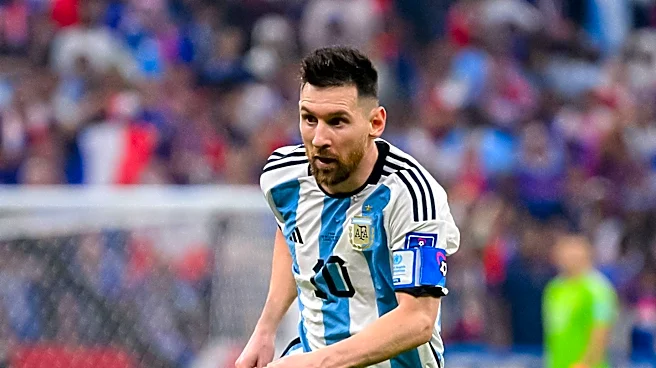
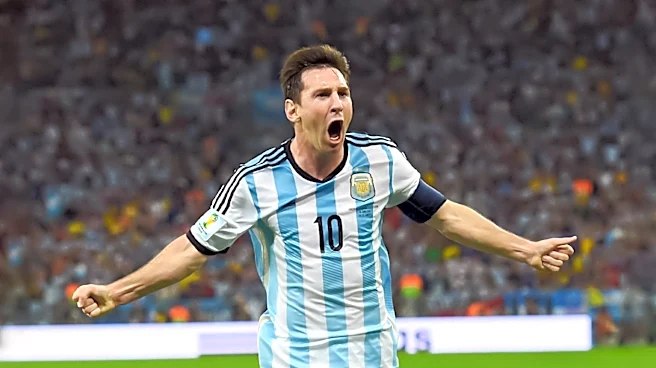
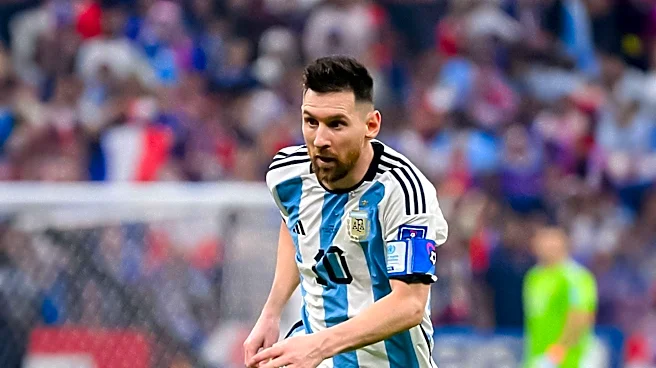
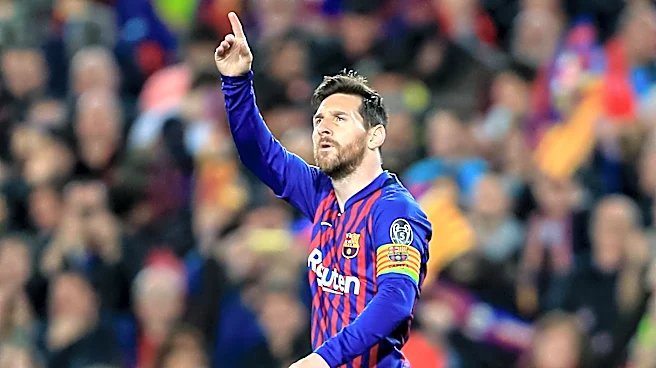
The 2026 FIFA World Cup final is set to feature a historic matchup between Argentina and Spain, the top two ranked teams in the world according to FIFA's updated rankings. Argentina, led by the legendary Lionel Messi, is aiming to become the first team to win
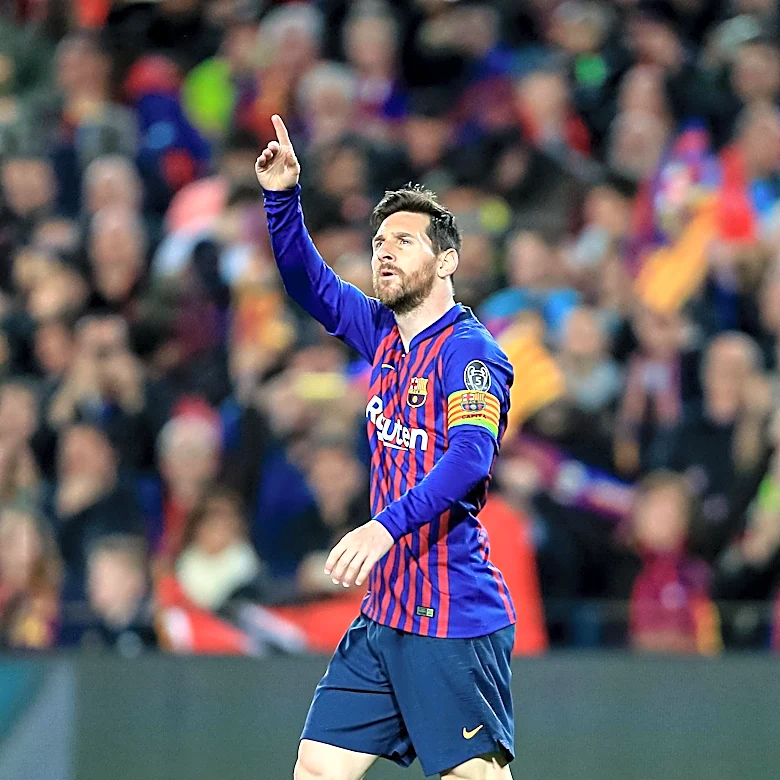
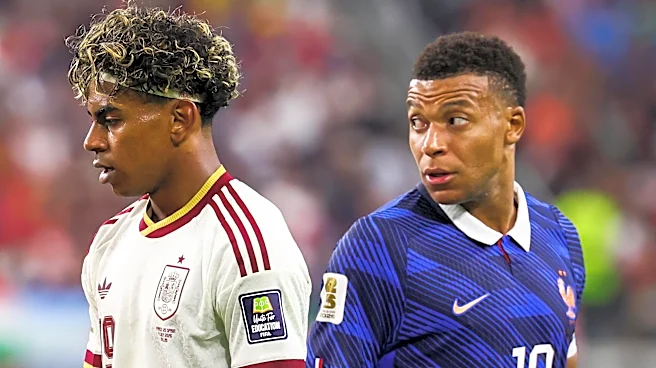
back-to-back World Cups in 64 years. Messi, at 39 years old, continues to be a pivotal figure for Argentina, leading the Golden Boot race with eight goals and four assists. Spain, on the other hand, is led by 19-year-old prodigy Lamine Yamal, who has been instrumental in their journey to the final despite battling hamstring issues. The final will take place on July 19 at the New York/New Jersey Stadium, with kickoff scheduled for 3 p.m. ET. This World Cup is notable for being the first to feature 48 teams, and FIFA is already considering expanding to 64 teams in future tournaments.
Why It's Important?
This World Cup final is significant not only because it features the top two ranked teams, but also due to the potential passing of the torch from Messi to Yamal. Messi's performance could solidify his legacy as one of the greatest players in history, while Yamal represents the future of soccer. The match also highlights the evolving dynamics of international soccer, with Spain's technical brilliance and physicality posing a formidable challenge to Argentina's tactical prowess. The outcome of this match could influence future strategies and player development in international soccer, as teams look to emulate the success of the finalists.
What's Next?
Following the final, the focus will shift to the potential expansion of the World Cup to 64 teams, a move that could have significant implications for the tournament's structure and the global soccer landscape. Additionally, the performance of key players like Messi and Yamal will be closely analyzed, potentially impacting their careers and the strategies of their respective national teams. The result of the final could also influence FIFA's rankings and the perception of soccer powerhouses on the international stage.
Beyond the Headlines
The World Cup final between Argentina and Spain also underscores the cultural and historical significance of soccer as a unifying force. The match is not just a sporting event but a celebration of global diversity and talent. It highlights the role of soccer in fostering international camaraderie and the sport's ability to transcend cultural and national boundaries. The final could also spark discussions on the future of soccer, including the integration of young talents like Yamal and the enduring influence of veterans like Messi.