






What's Happening?
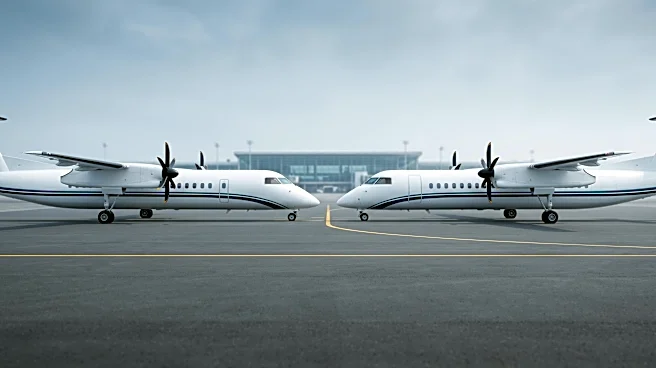
Emerald Airlines, the Aer Lingus franchise carrier, is encountering significant operational hurdles stemming from the UK's departure from the European Union (Brexit). The airline is compelled to operate under two separate Air Operator's Certificates (AOCs)
to manage flights from its Dublin base in the Republic of Ireland to the EU and also to facilitate UK domestic flights from Belfast, Northern Ireland. This dual AOC structure, established when Emerald launched operations in February 2022, means the airline is essentially running two distinct operations under one management. According to Emerald Airlines CEO Keith Butler, this setup presents substantial challenges, particularly concerning aircraft on ground (AOG) situations and crew interchangeability. The airline cannot freely swap crews between its Dublin and Belfast bases, as UK-registered aircraft in Belfast require UK-licensed pilots and engineers, while Dublin-based aircraft necessitate EU-licensed personnel. This restriction creates a limited pool of qualified staff, especially on the UK side, impacting the number of flights the airline can operate.
Why It's Important?
The challenges faced by Emerald Airlines highlight the broader implications of Brexit on cross-border operations and labor mobility within the aviation sector. The requirement for dual AOCs and separate licensing for pilots and engineers creates inefficiencies and increased operational costs for airlines attempting to serve both the EU and UK markets. This situation can lead to reduced flight frequencies and potential disruptions for passengers, impacting regional connectivity and economic activity. For the U.S., while not directly involved, such complexities in European aviation can affect transatlantic travel and cargo logistics, potentially leading to higher operational costs for U.S. carriers with European routes or partnerships. The labor pool limitations, particularly in the UK, could also serve as a cautionary tale for other industries reliant on specialized cross-border workforces, emphasizing the need for mutual recognition of qualifications to maintain operational fluidity and economic stability.
What's Next?
Emerald Airlines is actively seeking solutions to mitigate the impact of the dual AOC system. The airline hopes for a resolution that would involve mutual recognition of European and UK licenses for both engineers and pilots, or a streamlined process for qualification recognition. In the interim, Emerald is planning to establish an engineering apprenticeship training program in collaboration with local colleges and is exploring initiatives to support new pilots. Despite the current challenges, the airline has grown to 650 employees across both bases and expects passenger numbers to increase by 7-8% this year without additional aircraft. The airline has also achieved profitability within its second year of operation, demonstrating resilience amidst the regulatory complexities. The ongoing efforts to address licensing discrepancies will be crucial for the airline's future growth and operational efficiency, potentially setting a precedent for other operators facing similar post-Brexit hurdles.
Beyond the Headlines
The situation with Emerald Airlines underscores the intricate and often unforeseen consequences of major geopolitical shifts like Brexit on specific industries. Beyond the immediate operational and financial impacts, the dual AOC requirement raises questions about the long-term integration and cooperation between the UK and the EU in critical sectors. The lack of mutual recognition for professional licenses creates a fragmented regulatory environment, potentially hindering economic growth and innovation. This scenario could lead to a 'brain drain' in certain regions if skilled professionals find it more advantageous to work under a single, more harmonized regulatory framework. The airline's proactive approach to establishing apprenticeship programs and supporting new pilots highlights a broader trend of industries adapting to new realities by investing in local talent development. This could foster a more self-sufficient workforce but also points to the increased burden on individual companies to bridge regulatory gaps that were once seamlessly managed through international agreements.