




What's Happening?
A collection of Oasis recordings, estimated to be worth over £1 million, is slated for auction next month. The collection, comprising 63 concert recordings, over 100 hours of rehearsal tapes, soundcheck recordings, and candid conversations among band
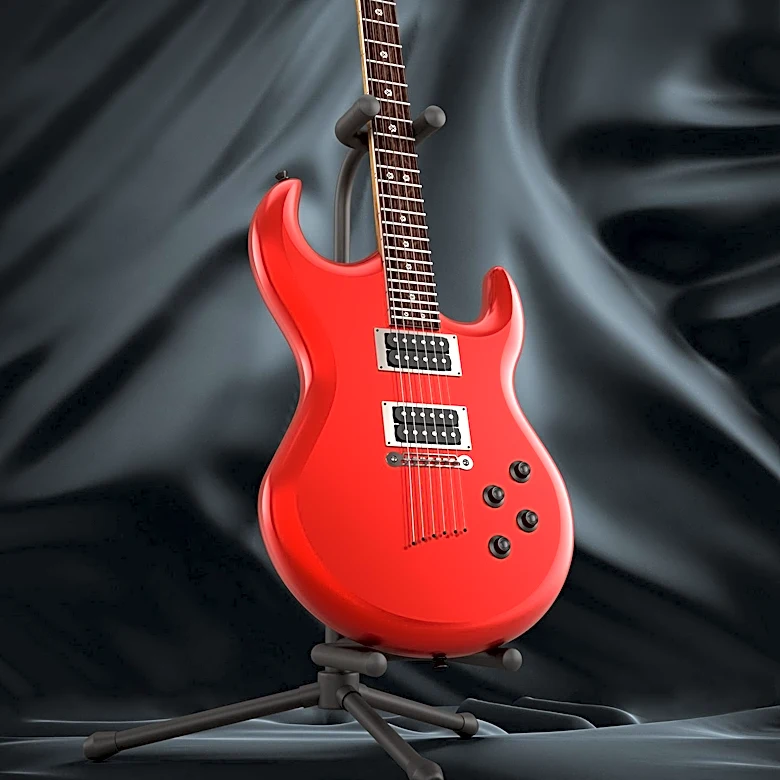
members, was originally owned by Huw Richards, Oasis's front-of-house sound engineer from 1995 to 2001. His son, Owain Richards, is now selling the archive, which includes 209 DAT tapes, 73 analogue cassettes, and three MiniDiscs. The auction house, Littleton Auctions, anticipates the collection will fetch between £1.2 million and £1.6 million. The sale also features internal tour itineraries, original setlists, a band-played Epiphone guitar, and an original Kangol Oasis Tour parka. Ben Homer, managing director of Littleton Auctions, confirmed that Noel and Liam Gallagher, the band's members, have expressed concerns regarding the auction and reportedly desire the tapes to be returned to their possession.
Why It's Important?
This auction represents a significant event for music history and the legacy of Oasis, one of Britain's most iconic bands. The collection offers an unprecedented, unfiltered look into the band's creative process and live performances, potentially revealing new insights for fans and music historians. The reported displeasure of the Gallagher brothers highlights ongoing issues surrounding artist control over their historical archives and intellectual property, especially when such materials are held by former associates. The high valuation of the recordings underscores the enduring commercial and cultural value of Oasis's work, even decades after their peak. For collectors and institutions, this is a rare opportunity to acquire a substantial piece of British music heritage, though the inability to commercialize the archive without the band's permission adds a layer of complexity to its long-term value and use.
What's Next?
The auction is scheduled for October 3, where the collection will be offered to the highest bidder. Despite the Gallagher brothers' reported desire to reclaim the tapes, the auction is proceeding with what Littleton Auctions describes as "full transparency and proper legal process." The buyer of the collection will acquire the physical recordings and memorabilia, but will not have the rights to commercialize the audio content without the explicit cooperation and permission of Oasis. This means any public release or monetization of the previously unheard material would require a separate agreement with the band. It remains to be seen whether the Gallagher brothers will attempt to purchase the collection themselves or pursue legal avenues to prevent the sale or secure the return of the materials post-auction.
Beyond the Headlines
The situation surrounding the Oasis recordings raises broader questions about the ownership and preservation of cultural artifacts, particularly in the digital age. While the physical tapes are being auctioned, the true value lies in the intellectual property and the historical narrative they contain. This incident underscores the often-complex relationships between artists, their former employees, and the commercial value of their creative output. It also highlights the tension between private ownership of historical materials and the public's interest in accessing and preserving cultural heritage. The outcome of this auction could set a precedent for how similar archives from other prominent artists are handled in the future, influencing discussions around artist rights, legacy management, and the ethics of selling personal or professional archives without the explicit consent of the creators.