


What's Happening?
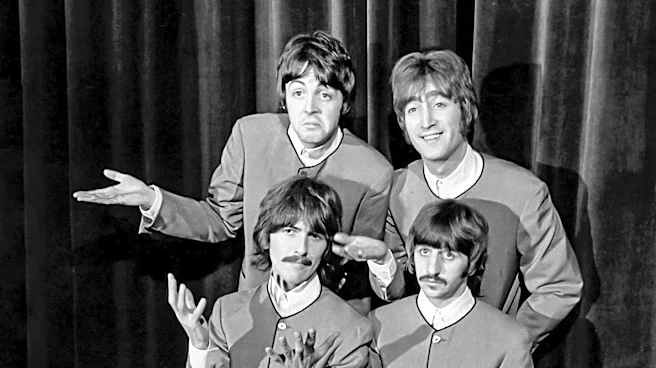
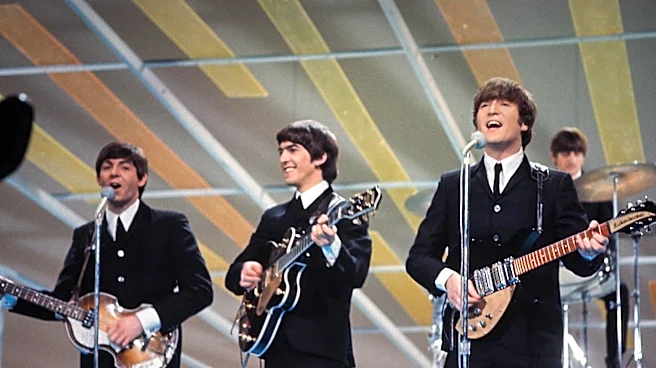
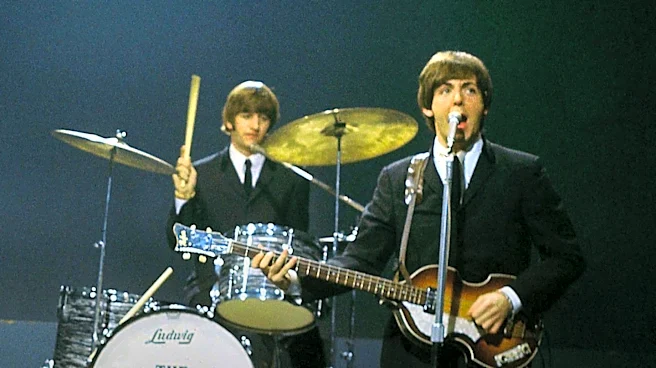
Phil Collins has reignited his long-standing feud with Paul McCartney, suggesting that McCartney was responsible for the removal of a reference to Collins in a re-released Beatles documentary. Collins stated that the original 1995 version of 'The Beatles Anthology'
included a mention from George Harrison about Collins' cover of 'Tomorrow Never Knows' from his 1981 album 'Face Value'. However, Collins noticed this reference was absent in the recently re-released version and speculated that McCartney might have disliked it, leading to its removal. This incident follows a previous spat dating back over two decades, stemming from a perceived belittling comment by McCartney during a meeting at Buckingham Palace in 2002. Collins recounted how McCartney, when asked to sign a Beatles biography, allegedly remarked, 'Oh Heather, our little Phil's a bit of a Beatles fan,' which Collins found condescending. Despite Collins later expressing regret for publicly discussing the feud and stating they had 'made up,' this new claim indicates a resurgence of tension. Paul McCartney has not publicly responded to Collins' recent comments.
Why It's Important?
This renewed public disagreement between two prominent figures in music history highlights the enduring complexities of personal relationships within the entertainment industry, even decades after initial events. For fans of both artists, it offers a glimpse into the behind-the-scenes dynamics and potential lingering resentments that can affect how historical narratives, such as documentaries, are presented. The suggestion that a major artist like Paul McCartney could influence the editing of a significant historical document like 'The Beatles Anthology' raises questions about artistic control, legacy management, and the potential for personal biases to shape public perception. While the immediate impact is primarily on the public image of both musicians, it also underscores the power dynamics at play in the curation of cultural artifacts. The incident could lead to further scrutiny of the re-released documentary and potentially influence how future historical music projects are received, particularly regarding their objectivity and completeness.
What's Next?
It remains to be seen if Paul McCartney will issue a public response to Phil Collins' accusations regarding the 'Beatles Anthology' edit. A response from McCartney could either clarify the situation, deny the claims, or further escalate the public dispute. The re-released documentary, now available on platforms like Disney+, may face increased scrutiny from fans and critics who might re-examine its content for any signs of editorial bias. This situation could also prompt media outlets to delve deeper into the history of the feud between the two musicians, potentially unearthing more details or perspectives. For Collins, his comments, made during a Q&A celebrating his album's anniversary, could generate renewed interest in his work and his past interactions with other music legends. The broader music community will likely watch for any further developments, as such high-profile disagreements often spark wider discussions about artistic integrity and personal conduct.
Beyond the Headlines
Beyond the immediate headlines, this incident touches upon deeper themes of legacy, memory, and the subjective nature of historical accounts, particularly in the arts. The idea that a historical documentary could be altered due to personal preferences, as alleged by Collins, challenges the notion of objective truth in biographical narratives. It highlights how the powerful figures involved in creating and curating such content can shape the story for future generations. This situation also reflects the ongoing human tendency to revisit and re-evaluate past grievances, even after apparent reconciliation. The public's fascination with such feuds underscores a broader interest in the personal lives and relationships of iconic figures, often intertwining with their artistic output. It also raises ethical considerations about the responsibility of artists and documentarians to present a comprehensive and unbiased historical record, especially when dealing with complex interpersonal dynamics that span decades.