






What's Happening?
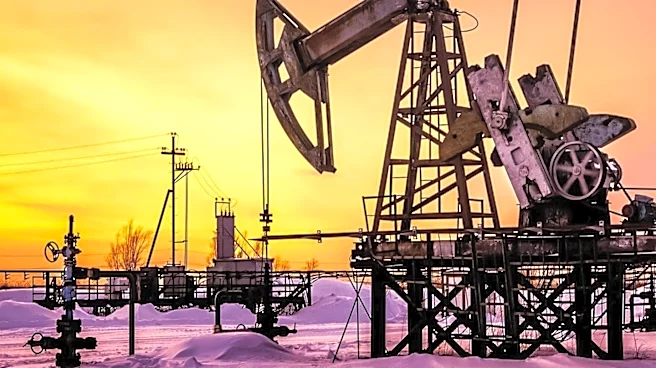
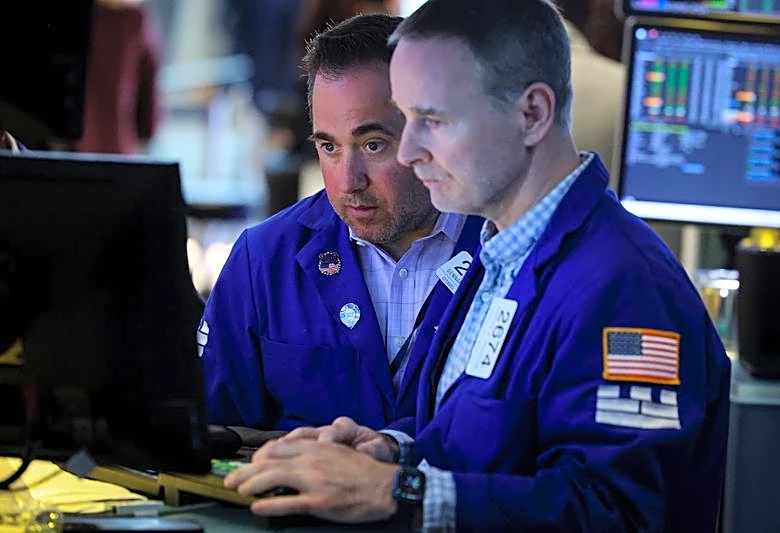
U.S. natural gas futures have decreased for the second consecutive session, driven by ample supply and forecasts of a short-lived heat wave. On the New York Mercantile Exchange, gas futures for August delivery fell by 8.2 cents, or 2.5%, to $3.20 per
million British thermal units. This decline is attributed to strong production levels, with the U.S. Lower 48 states maintaining an average gas output of 110 billion cubic feet per day in June, slightly higher than May. The U.S. Energy Information Administration reported a near-normal addition of 76 billion cubic feet of gas into storage, keeping stockpiles 5.7% above normal levels. Meteorologists predict warmer than average temperatures through mid-July, which could increase gas consumption for cooling. Despite this, the market remains well-supplied, contributing to the price drop.
Why It's Important?
The decline in natural gas prices has significant implications for the U.S. energy market and consumers. Lower prices can reduce energy costs for consumers and businesses, particularly during the summer months when cooling demand is high. However, the sustained production levels and ample supply may pressure energy companies' profit margins. The situation also highlights the importance of weather forecasts in energy markets, as temperature predictions directly influence demand for natural gas. Additionally, the U.S. remains a key player in the global energy market, with its LNG export capacity affecting international prices and supply dynamics.
What's Next?
Looking ahead, the natural gas market may experience fluctuations based on weather patterns and production levels. If the heat wave extends or intensifies, it could lead to increased demand and potential price spikes. Energy companies and traders will closely monitor weather forecasts and production data to adjust their strategies. Additionally, geopolitical factors, such as tensions in the Strait of Hormuz, could impact global energy markets and influence U.S. natural gas exports. Stakeholders will need to remain vigilant to navigate these potential changes.