



What's Happening?
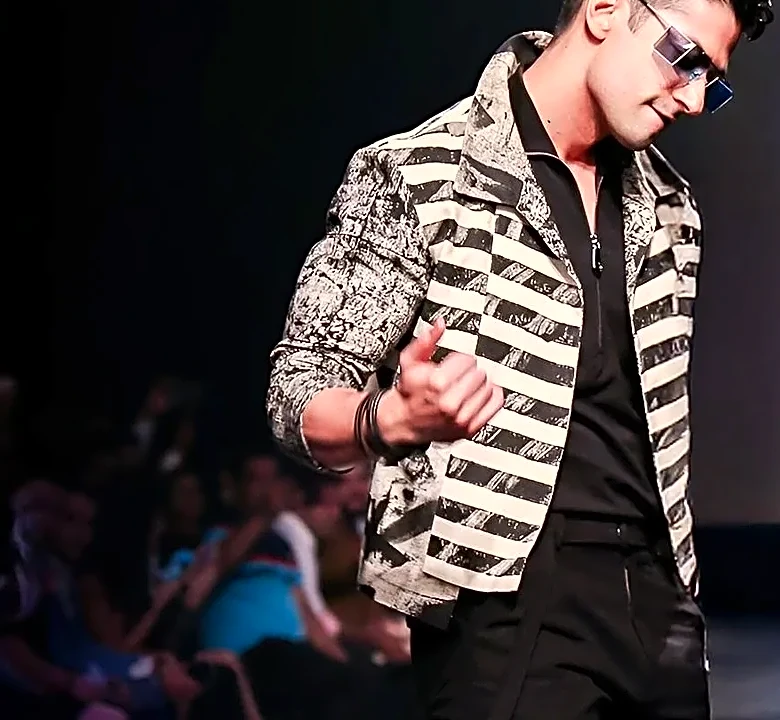
Missoula recently hosted its third annual Climate Solutions Week Fashion Show, an event designed to raise awareness about climate change by promoting 'slow fashion.' The show, held at Funk It Coffee and Thrift, featured handmade and upcycled garments
created by five local designers. Co-owner Chloe Russell emphasized that the event aimed to educate and inspire attendees about sustainable fashion practices, rather than shaming them for engaging with 'fast fashion.' The fashion industry is a significant contributor to global greenhouse gas emissions, accounting for 10% and ranking as the second-largest industrial polluter worldwide, primarily due to the production of cheap, petroleum-based textiles and rapid consumption cycles.
Why It's Important?
This sustainable fashion show in Missoula highlights a growing movement to address the environmental impact of the fashion industry, which is a major contributor to climate change. By promoting 'slow fashion'—garments made with sustainable materials, upcycled goods, and ethical production—the event encourages consumers to consider the ecological and social costs of their clothing choices. This initiative is crucial for fostering a more conscious consumer culture and supporting local artisans who prioritize sustainability. The focus on community-made and upcycled items also offers an alternative to the 'fast fashion' model, which often involves exploitative labor practices and significant waste, thereby contributing to both environmental degradation and social injustice.
What's Next?
The success of Missoula's Climate Solutions Week Fashion Show suggests a continued effort to integrate climate awareness into various aspects of community life, including fashion. Future events are likely to build on this momentum, potentially expanding the number of participating designers, educational workshops, and community engagement activities. The organizers aim to inspire more individuals to adopt sustainable fashion practices, which could lead to a greater demand for ethically produced and environmentally friendly clothing options in the local market. This movement could also influence local businesses to prioritize sustainability in their operations and product offerings.
Beyond the Headlines
The 'slow fashion' movement, as showcased in Missoula, represents a broader cultural shift towards mindful consumption and ethical production. It challenges the prevailing 'fast fashion' paradigm, which is driven by rapid trend cycles, low prices, and disposable clothing. Beyond its environmental benefits, slow fashion often supports local economies, preserves traditional craftsmanship, and promotes fair labor practices. This movement also encourages creativity and individuality, as consumers and designers move away from mass-produced items towards unique, handcrafted pieces. The event's success in creating a sense of community around climate solutions demonstrates the power of local initiatives to drive significant cultural and behavioral change.