





What's Happening?
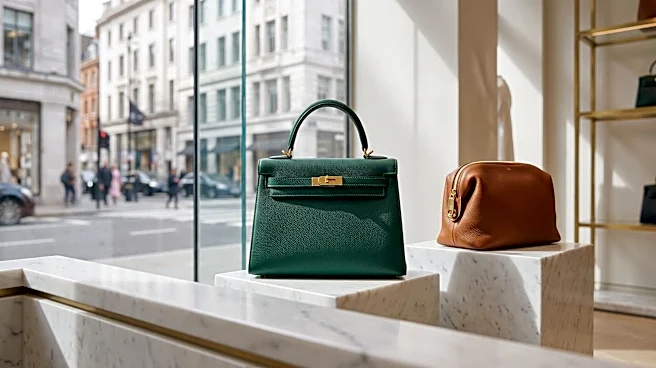
LVMH reported third-quarter revenue of €18.5 billion, slightly surpassing the consensus estimate of €18.46 billion. This performance was bolstered by strong growth in the U.S., Europe, and Japan, which helped to offset a decline in the Chinese market.
Organic revenue for the quarter increased by 1%. For the first nine months of the year, total revenue reached €57.1 billion, marking a 2% decrease as reported but a 2% increase on an organic basis. The fashion and leather goods division, LVMH's largest segment, experienced a 5% organic revenue decline in the quarter, primarily due to slowing demand in China, despite continued strength in the U.S. market. In contrast, the selective retailing division, which includes Sephora, was the strongest performer with 8% organic growth, gaining market share in several countries through exclusive launches and expansion into new markets like Belgium and Croatia. Watches and jewelry saw a 6% organic increase, driven by brands like Tiffany & Co. and Bvlgari, while wines and spirits grew 6% organically, with recovery in champagne sales in Europe and strong momentum for Hennessy cognac in Asia. Perfumes and cosmetics also grew 1% organically, aided by new product launches.
Why It's Important?
LVMH's ability to exceed revenue estimates despite a downturn in the crucial Chinese market highlights the resilience of the luxury sector and the importance of diversified geographical sales for global brands. The strong performance in the U.S. market indicates sustained consumer demand for luxury goods, which is a positive sign for the U.S. retail economy. The growth of selective retailing, particularly Sephora, underscores the continued strength of beauty and personal care segments and the effectiveness of strategic market expansion and exclusive product offerings. Conversely, the decline in fashion and leather goods in China signals potential economic headwinds or shifting consumer preferences in that region, which could prompt luxury brands to re-evaluate their market strategies and investment allocations. This situation also emphasizes the impact of global economic conditions on multinational corporations and their need for agile market responses.
What's Next?
LVMH anticipates maintaining its strategy of enhancing brand desirability, product quality, retail excellence, and organizational agility, despite an uncertain economic and geopolitical environment. The company will likely continue to focus on strengthening its presence in buoyant markets like the U.S. and Europe while closely monitoring and adapting to conditions in China. Further investments in exclusive product launches and market expansion, similar to Sephora's strategy, can be expected across its divisions. The performance of its various segments, particularly the recovery of fashion and leather goods in China, will be a key indicator for future growth. LVMH's ability to navigate global economic fluctuations and consumer trends will determine its sustained success in the luxury market.
Beyond the Headlines
The mixed regional performance of LVMH, with strong U.S. growth offsetting Chinese weakness, reflects broader geopolitical and economic shifts impacting global trade and consumer behavior. The luxury market, often seen as a bellwether for consumer confidence among affluent demographics, reveals a complex interplay of factors including discretionary spending, brand loyalty, and cultural influences. The success of selective retailing and specific product lines suggests that even within luxury, consumers are increasingly seeking personalized experiences and innovative offerings. This trend could lead to a re-evaluation of traditional luxury marketing and distribution channels, with a greater emphasis on digital engagement and localized strategies. Furthermore, the company's confidence amidst uncertainty points to the strategic importance of brand heritage and perceived value in weathering economic storms.