





What's Happening?
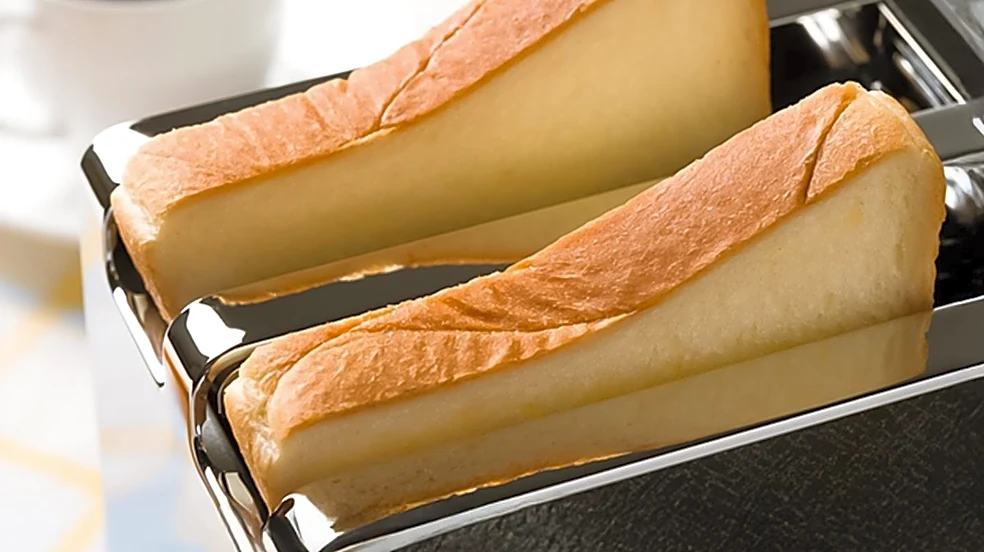
Toasters often feature distinct settings for 'toast' and 'bagel,' which are designed to accommodate the varying thickness and composition of different bread products. The 'toast' setting is intended for standard bread slices, while the 'bagel' setting is specifically
engineered for thicker items such as bagels, brioche, and English muffins. This specialized setting ensures that thicker items receive a longer warming period between the heating elements. Additionally, the bagel setting modifies the heating element operation, concentrating more heat on the inner surfaces of a cut bagel to achieve a warm, crunchy interior while preventing the outer surface from burning. The effectiveness of these settings can also be influenced by the quality, age, and moisture content of the bread product being toasted, with drier or older items potentially requiring lower settings.
Why It's Important?
Understanding the specific functions of toaster settings is important for consumers seeking to optimize their toasting experience and reduce food waste. By utilizing the correct setting, individuals can achieve desired levels of crispness and warmth for various bread products, enhancing their culinary enjoyment. This knowledge can prevent common issues such as burnt exteriors or undercooked interiors, which often lead to dissatisfaction and discarded food. For appliance manufacturers, this highlights the importance of clear product instructions and intuitive design to ensure consumers can effectively use their kitchen tools. Furthermore, it underscores a broader principle in consumer goods: even seemingly minor features can significantly impact user satisfaction and product utility when properly understood and applied.
What's Next?
Consumers are encouraged to consult their toaster's owner's manual to fully understand the specific functionalities and recommendations for their particular model. Experimentation with different settings based on the type and condition of bread products is also suggested to achieve optimal results. Appliance manufacturers may continue to innovate in toaster technology, potentially introducing more advanced sensors or customizable settings to further enhance the toasting process for a wider variety of bread items. Educational content from culinary experts, such as Bobby Flay's emphasis on the toaster's importance, may also continue to guide consumers in making the most of their kitchen appliances.
Beyond the Headlines
The nuanced difference between toaster settings reflects a broader trend in appliance design towards specialized functions that cater to specific user needs and food types. This attention to detail, even in a common kitchen appliance, underscores the ongoing effort to improve daily experiences through technology. It also subtly highlights the impact of food science on product development, as the varying moisture and density of bread products necessitate different heating approaches. From an environmental perspective, optimizing toasting can contribute to reducing food waste by ensuring that bread and bagels are prepared to an enjoyable standard, rather than being discarded due to improper heating. This seemingly simple distinction in toaster settings therefore touches upon aspects of consumer satisfaction, technological design, and sustainable practices.