


What's Happening?
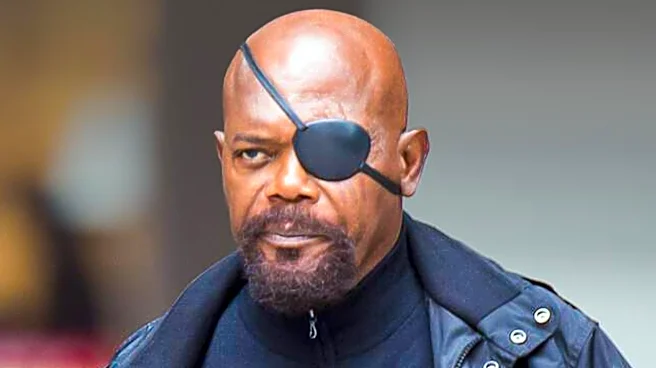
Samuel L. Jackson's iconic portrayal of Nick Fury in the Marvel Cinematic Universe (MCU) stemmed from an unusual origin: his likeness was used for the character in 'The Ultimates' comic series without his initial permission. In 2002, Jackson, a lifelong
comic book fan, discovered an issue of Marvel's 'The Ultimates' where the character of Nick Fury had been redesigned to resemble him, complete with a bald head and a distinctive coat. This redesign was the work of comic author Mark Millar and artist Bryan Hitch, who reportedly chose Jackson's appearance because they considered him "the coolest guy in the world." At the time, they did not anticipate the character would ever be adapted for film, as Marvel was recovering from bankruptcy. Upon discovering his unauthorized likeness, Jackson contacted his agents, who then reached out to Marvel. Instead of pursuing legal action for image rights, Jackson and Marvel struck a deal: he would allow his image to continue being used in 'The Ultimates' comics on the condition that he would play Nick Fury if the character ever appeared in a Marvel film. This agreement paved the way for his debut as Nick Fury in the post-credits scene of 'Iron Man' in 2008, launching his significant role in the MCU.
Why It's Important?
This unique agreement between Samuel L. Jackson and Marvel set a precedent for how comic book characters can be developed and cast, directly influencing the visual identity and continuity of one of the most successful film franchises in history. Jackson's portrayal of Nick Fury became a cornerstone of the MCU, serving as a central figure in assembling the Avengers and guiding many of the franchise's early narratives. His involvement brought a recognizable and respected actor to a pivotal role, lending gravitas and a distinct personality to the character that resonated with audiences worldwide. The story highlights the evolving relationship between comic book creators, actors, and intellectual property, demonstrating how a seemingly casual artistic choice in a comic could lead to a multi-billion dollar cinematic casting. It also underscores the power of fan engagement and the unexpected ways in which creative decisions can shape future media landscapes, particularly in the interconnected world of superhero franchises.
What's Next?
Samuel L. Jackson has continued to be a prominent figure in the MCU, with appearances in numerous films and television series. His character, Nick Fury, remains a key player in the overarching narrative, often appearing in strategic or advisory capacities. While the immediate future of his character within the MCU is subject to ongoing story developments, his established presence suggests continued involvement in future phases. The precedent set by his casting could also influence how other actors are considered for comic book roles, potentially leading to more direct collaborations between creators and performers from the conceptual stage. The success of this model might encourage other studios to explore similar agreements, where an actor's likeness or persona is integrated into source material with the understanding of future cinematic roles. This could further blur the lines between comic book and film development, creating a more symbiotic relationship between the two mediums.
Beyond the Headlines
The story of Samuel L. Jackson and Nick Fury delves into deeper implications regarding intellectual property, celebrity rights, and the creative process in a highly commercialized industry. It raises questions about the ownership of one's image and how it can be utilized across different media platforms. The fact that Jackson's likeness was used without initial permission, yet led to a mutually beneficial agreement, highlights the complex legal and ethical considerations in creative industries. Furthermore, it showcases the significant impact of casting choices on the cultural reception and longevity of fictional characters. Jackson's distinct persona became inseparable from Nick Fury, demonstrating how an actor can elevate a character beyond its original comic book iteration. This case also reflects the growing trend of comic book adaptations dominating popular culture, where the visual representation of characters becomes paramount, and the collaboration between various creative talents is essential for success.