






What's Happening?
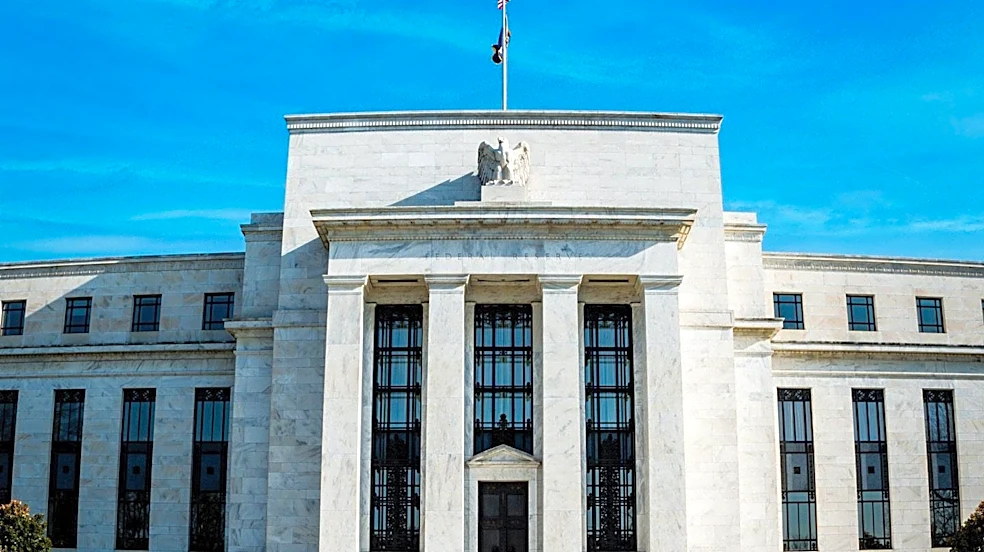
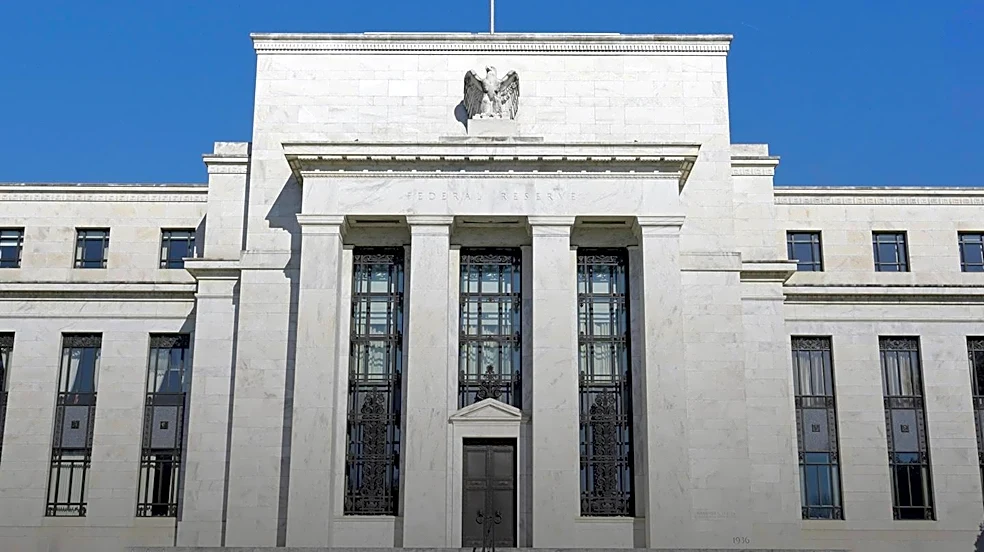
The Federal Reserve is widely expected by economists to maintain current interest rates at its October 27-28 meeting, keeping the federal funds rate in the 3.75%-4.00% range. However, a Reuters poll of 100 economists, conducted from October 16-20, indicates
a unanimous expectation for a rate hike in December. This decision comes despite a strong economy and hotter-than-expected inflation, with Fed officials signaling a preference for a slower, more deliberate approach to rate adjustments. Fed Chair Kevin Warsh has remained silent on specific guidance, while the Federal Open Market Committee unanimously raised rates by 25 basis points in September.
Why It's Important?
This anticipated Federal Reserve action has significant implications for the U.S. economy and financial markets. Holding rates in October provides a temporary reprieve for borrowers and could support continued economic growth, particularly with the economy expanding at an annualized 2.2% in the second quarter, boosted by AI-driven investment. However, the expected December hike signals the Fed's ongoing commitment to combating persistent inflation, which has been above its 2% target for nearly six years. This balancing act between supporting growth and controlling inflation affects everything from mortgage rates and consumer lending to corporate investment and the stock market. Businesses and consumers will need to adjust to the prospect of higher borrowing costs, potentially impacting spending and investment decisions. The rising cost of living, fueled by higher energy costs due to President Trump's war with Iran and new tariffs, is also a key political vulnerability for Republicans ahead of the midterm elections, adding a political dimension to the Fed's economic decisions.
What's Next?
Looking ahead, the Federal Reserve's actions will be closely watched for further signals on its monetary policy trajectory. The expected December rate hike will likely be followed by continued monitoring of economic data, particularly inflation figures and employment reports. Economists are divided on the peak policy rate, with nearly 60% forecasting it to reach 4.00%-4.25%, while 38% predict at least two more rate increases. This suggests potential for further tightening beyond December if inflation remains stubborn. The conflicting signals from the central bank have already caused volatility in bond markets, and this trend may continue. Businesses and investors will need to prepare for a potentially prolonged period of higher interest rates, which could influence capital allocation and growth strategies. The Fed's approach will also be scrutinized for its impact on the upcoming midterm elections, given the political sensitivity of economic conditions.
Beyond the Headlines
The Federal Reserve's cautious approach, despite strong economic indicators and persistent inflation, reveals a deeper tension within monetary policy. The decision to prioritize a 'slower, more deliberate path' for rates, even when data suggests a more aggressive stance might be warranted, could reflect concerns about potential economic shocks or a desire to avoid overt political interference ahead of the midterm elections. This strategy risks the Fed falling 'a little behind' the curve, as suggested by Alex Pelle, potentially prolonging the fight against inflation and leading to a more significant tightening cycle in the future. The reliance on 'messaging, not the data' by markets and economists highlights the psychological aspect of central banking and the importance of clear communication. Furthermore, the economic resilience driven by AI-driven investment and spending by upper-income groups points to a potentially uneven recovery, where the benefits of growth are not uniformly distributed, raising questions about economic equity and stability in the long run.