







What's Happening?
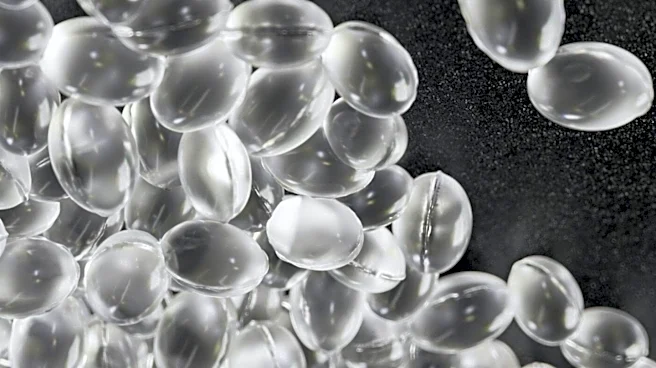
The field of conductive masterbatch technology is seeing advancements through the use of various carbon additives, including conductive carbon black, carbon nanotubes (CNT), and graphene nanoplatelets (GNP). A conductive masterbatch is a concentrated
blend of a conductive carbon additive and a carrier polymer, supplied as pellets, which is then diluted into a base resin during manufacturing processes like injection molding or extrusion. This method allows for the transformation of insulating plastics into antistatic, static dissipative, or electrically conductive parts without the need to handle fine carbon powders directly on the production floor. Each additive type offers distinct advantages and trade-offs in terms of loading requirements, impact on melt flow behavior, mechanical performance, surface quality, and final part cost. The goal is to achieve a continuous conductive network within the plastic, a phenomenon known as percolation, where resistivity drops significantly. The choice of additive depends on the desired resistance class, which is categorized by surface resistivity ranges for applications such as shielding packaging, grounding parts, and electronic housings.
Why It's Important?
This development is important for U.S. industries, particularly in manufacturing, electronics, and packaging, as it provides more efficient and safer methods for producing electrically conductive plastics. The ability to precisely control the electrical properties of plastics through masterbatch technology allows for the creation of specialized components that meet stringent industry standards for electrostatic discharge (ESD) protection. This is crucial for safeguarding sensitive electronic devices and preventing hazards in environments where static electricity can cause damage or ignition. The use of masterbatches also streamlines production processes by eliminating the need for direct handling of fine carbon powders, which can be hazardous and difficult to disperse. Furthermore, the varying properties of carbon black, CNT, and GNP offer manufacturers flexibility in optimizing material performance, cost, and specific functional requirements, such as electromagnetic interference (EMI) shielding or improved thermal conductivity, leading to more advanced and reliable products across various sectors.
What's Next?
The future of conductive masterbatch technology will likely involve continued research and development into hybrid systems that combine different carbon fillers to achieve synergistic effects, optimizing both electrical and mechanical properties at lower total loadings. Manufacturers will focus on refining formulations to improve dispersion and exfoliation of additives, especially for graphene nanoplatelets, to maximize their potential in industrial applications. The industry will also see an increased emphasis on defining precise target resistivity ranges and test standards to ensure product compliance and performance. As new applications emerge for conductive plastics, there will be a growing demand for tailored masterbatch solutions that can meet specific performance criteria, such as thin-wall injection molding or multifunctional components. Collaboration between material suppliers and manufacturers will be key to developing customized masterbatches that integrate seamlessly into existing production processes and deliver enhanced material properties.
Beyond the Headlines
Beyond the immediate applications, the advancements in conductive masterbatch technology have broader implications for material science and sustainable manufacturing. The ability to imbue plastics with electrical conductivity opens doors for innovative product designs and functionalities that were previously challenging or impossible to achieve. This could lead to the development of lighter, more durable, and more integrated electronic components, potentially reducing material consumption and waste. Ethically, the safer handling of carbon additives through masterbatch forms contributes to improved workplace safety and environmental responsibility in manufacturing facilities. Culturally, the continuous push for higher performance and efficiency in materials reflects a broader societal trend towards technological sophistication and the demand for products that are both functional and environmentally conscious. The long-term shift could involve a greater reliance on advanced composite materials that offer multiple functionalities, driving innovation across various industries and contributing to a more interconnected and technologically advanced society.