








What's Happening?
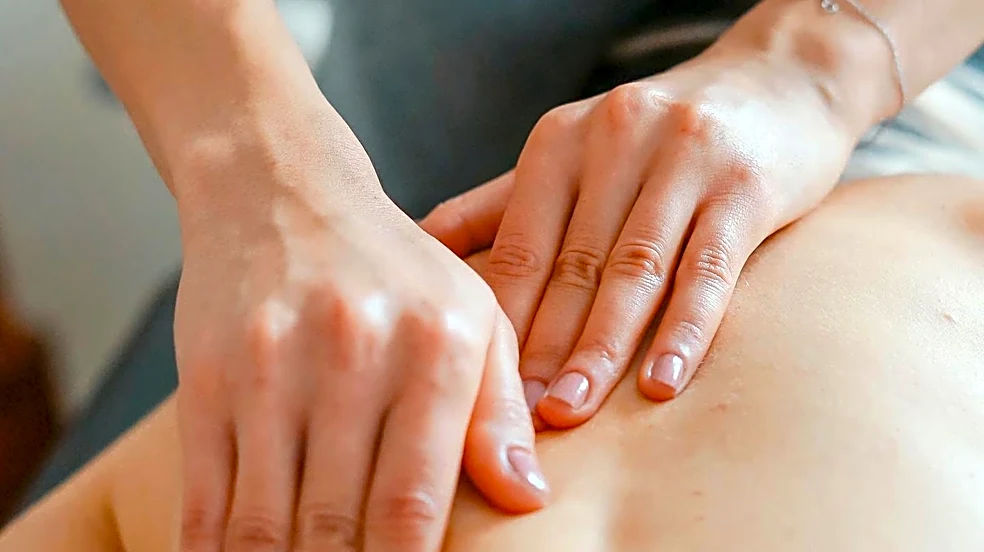
Lymphatic drainage is a gentle massage technique that promotes the natural drainage of lymph fluid, which is responsible for carrying waste products away from tissues. This technique uses light, rhythmic movements to stimulate lymph flow and assist the body
in clearing excess fluid. It is often recommended as part of post-operative care, particularly after procedures like liposuction, to help reduce swelling and support the healing process. While not universally mandatory, its utility depends on the specific procedure, medical history, and individual body response. Beyond post-surgical recovery, lymphatic drainage also supports the body's natural lymphatic circulation and is recognized for its role in the brain's lymphatic system, which drains cerebrospinal fluid.
Why It's Important?
The application of lymphatic drainage in post-liposuction recovery highlights its importance in managing fluid retention and promoting smoother healing. For individuals undergoing such cosmetic procedures, effective fluid management is crucial to achieving desired aesthetic outcomes and minimizing discomfort during the recovery phase. The technique's ability to reduce swelling and assist in tissue repair can significantly impact patient satisfaction and overall recovery time. Furthermore, the broader recognition of lymphatic drainage for general wellness, including its role in supporting the brain's lymphatic system, underscores its potential benefits for overall health beyond specific medical interventions. This emphasizes a holistic approach to recovery and well-being, where manual therapies play a supportive role in the body's natural physiological processes.
What's Next?
Individuals considering or undergoing liposuction are advised to consult with their surgeon regarding the integration of lymphatic drainage into their post-operative care plan. Surgeons will provide specific recommendations based on the procedure, medical history, and individual healing progress. It is crucial to communicate any concerns or symptoms to the doctor before initiating massage therapy. When seeking lymphatic drainage services, patients should ensure the therapist is aware of their surgical details and any specific instructions from their surgeon. The treatment schedule should be flexible and adapt to the body's actual healing process, rather than adhering to fixed-size packages. This personalized approach ensures that the therapy complements the recovery journey effectively.
Beyond the Headlines
The increasing popularity of lymphatic drainage, particularly in the context of post-surgical recovery, points to a growing awareness of the lymphatic system's critical role in health and healing. This extends beyond cosmetic procedures to broader applications in wellness and detoxification. The emphasis on personalized treatment plans, where medical professionals guide the integration of such therapies, highlights a shift towards more integrated healthcare approaches. It also underscores the importance of informed patient choices and the need for clear communication between patients, surgeons, and therapists to ensure safe and effective care. The recognition of the brain's lymphatic system further opens avenues for research into its impact on neurological health and potential therapeutic interventions.