






What's Happening?
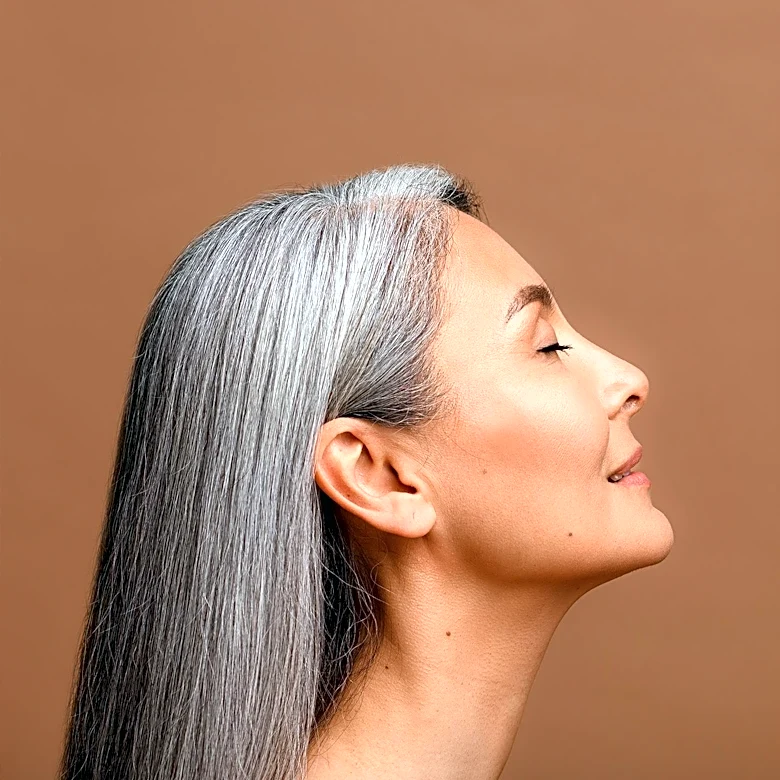
Leading plastic surgeons are providing insights into the factors determining the best age for facelift procedures, emphasizing that age is only one component of the decision. According to Dr. Carl Truesdale, a Beverly Hills-based plastic surgeon, individuals
who notice themselves 'lifting their face in the mirror' might consider intervention. Dr. Anthony Youn, a Michigan-based plastic surgeon, notes that some patients in their 40s undergo facelifts due to premature aging caused by significant weight changes or genetics. The consensus among experts is that while minimally invasive options offer temporary improvements, only a facelift can effectively address true skin laxity with lasting results. The discussion also highlights the financial aspect, as facelifts are a significant investment, and patients should ensure they are financially prepared. The American Society of Plastic Surgeons indicates that more research is needed on how fillers and injectables affect facelifts, suggesting a personal conversation with a plastic surgeon is crucial to evaluate prior treatments.
Why It's Important?
This discussion is important for individuals considering cosmetic surgery in the U.S., as it demystifies the timing and considerations for facelifts beyond just age. It underscores that personal factors like skin laxity, genetics, and previous cosmetic treatments play a crucial role in determining candidacy and optimal outcomes. The emphasis on consulting with a plastic surgeon to discuss prior filler use is particularly significant, as lingering fillers can complicate future procedures, potentially leading to unwanted changes or making surgery more difficult, as noted by New York surgeon Dr. Ramtin Kassir. This guidance helps potential patients make informed decisions, manage expectations, and understand the long-term implications of their choices, ultimately contributing to safer and more satisfactory cosmetic surgery experiences within the U.S. healthcare landscape.
What's Next?
Individuals considering facelifts are advised to prioritize comprehensive consultations with qualified plastic surgeons to assess their specific needs and discuss the impact of any prior cosmetic treatments, such as fillers. The evolving understanding of how fillers interact with facelift procedures, as highlighted by the American Society of Plastic Surgeons, suggests that ongoing research will continue to refine best practices in this field. Patients should also consider the financial commitment involved and ensure they are prepared for the recovery process. As public discourse around cosmetic procedures becomes more open, driven by celebrity candidness and social media, there will likely be a continued increase in interest and demand for such interventions, prompting further advancements and personalized approaches in plastic surgery.
Beyond the Headlines
Beyond the immediate decision of when to get a facelift, this conversation touches upon broader societal perceptions of aging and beauty in the U.S. The increasing openness about cosmetic procedures, fueled by celebrities and social media, reflects a cultural shift where aesthetic enhancements are becoming less stigmatized. This trend can influence individuals' self-perception and their pursuit of anti-aging solutions. The distinction between male and female facelifts, with men's procedures being more complex due to thicker skin and more blood vessels, and women's optimal timing linked to hormonal changes, reveals the intricate biological factors at play. Furthermore, the discussion about scarring and the body's natural healing process underscores that while surgeons play a critical role, individual physiological responses ultimately determine the final aesthetic outcome, highlighting the inherent variability in cosmetic results.