




What's Happening?
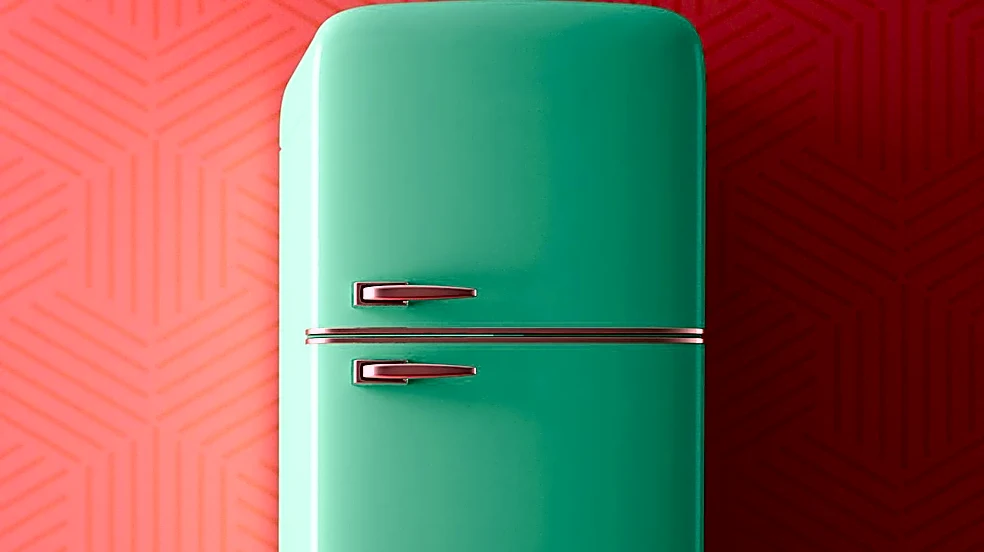
The use of mini-fridges specifically for skincare products is gaining traction, with some brands recommending refrigeration to enhance the user experience. For instance, 111SKIN suggests keeping its Cryo Revitalising Moisturiser in the fridge to boost
its cooling sensation. Similarly, Milk Makeup advises refrigerating its Cooling Water Jelly Ice to heighten its cooling effect. Clarins also incorporates cryo technologies in its Cryo-Flash Cream-Mask, designed to mimic low temperatures for skin benefits. While these products are formulated to provide cooling effects, refrigeration is presented as a way to amplify these sensations. The trend highlights a consumer interest in optimizing product efficacy and sensory experience, moving beyond traditional storage methods for cosmetics. The market is seeing products marketed as 'skincare fridges,' indicating a niche but growing demand for specialized storage solutions in the beauty industry.
Why It's Important?
This trend signifies a shift in consumer behavior within the beauty industry, where users are increasingly seeking ways to maximize the benefits and sensory appeal of their skincare routines. For brands, recommending refrigeration can differentiate products and enhance perceived value, especially for those designed with cooling or soothing properties. This could lead to increased sales of both specialized skincare products and mini-fridges marketed for beauty use. The emphasis on cooling sensations also taps into broader wellness trends, where cryotherapy-inspired treatments are gaining popularity. However, it also raises questions about the actual necessity versus the perceived benefits of refrigerating all skincare products, potentially influencing consumer spending on non-essential items. The rise of dedicated skincare fridges also points to a growing market for beauty accessories, creating new revenue streams for retailers and manufacturers.
What's Next?
The skincare fridge trend is likely to continue expanding, with more beauty brands potentially incorporating refrigeration recommendations into their product usage instructions, particularly for items designed to de-puff, soothe, or provide a cooling sensation. Manufacturers of mini-fridges may further target the beauty market with specialized designs, colors, and features tailored for skincare storage. We might also see more research or marketing claims from brands about the benefits of refrigeration for product stability and efficacy, beyond just sensory enhancement. As the trend matures, there could be a clearer distinction between products that genuinely benefit from refrigeration for preservation and those where it primarily offers a sensory advantage. This could also lead to increased consumer education efforts regarding which skincare ingredients are stable at room temperature versus those that might degrade or benefit from cooler storage.
Beyond the Headlines
Beyond the immediate market implications, the skincare fridge trend reflects a broader cultural shift towards hyper-personalization and optimization in self-care routines. Consumers are increasingly willing to invest in specialized tools and methods to enhance their personal well-being and beauty rituals. This trend also touches upon the psychological aspect of beauty, where the ritual and sensory experience can be as important as the active ingredients themselves. The 'cool' factor of a refrigerated product can contribute to a feeling of luxury and efficacy, even if the scientific benefits for all products are not universally established. Furthermore, it highlights the influence of social media and beauty influencers in popularizing niche trends, transforming what might once have been considered an unusual practice into a mainstream beauty 'hack.' This also raises environmental considerations regarding the energy consumption of additional small appliances in households.