





What's Happening?
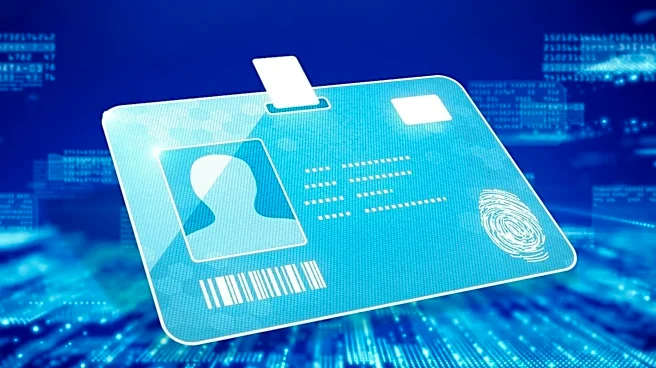
U.S. employers are increasingly adopting identity verification technology to strengthen their Form I-9 compliance strategies, even though federal law does not mandate its use. This technology helps confirm that individuals presenting work authorization
documents are indeed the persons being hired. Modern solutions can verify government-issued IDs, perform biometric matching, and automatically capture document information before the I-9 process begins. This approach aims to create cleaner employee data, reduce manual entry errors, and minimize downstream issues. The integration of such technology is part of a broader strategy to standardize I-9 processes, which also includes using guided electronic I-9 workflows and integrating E-Verify directly into the onboarding process. These measures help catch common mistakes, ensure consistency across different locations, and streamline the management of employment eligibility verification.
Why It's Important?
The adoption of identity verification technology by U.S. employers is significant for several reasons. It enhances data accuracy and reduces the potential for fraud in the hiring process, which is crucial for maintaining a compliant workforce. By minimizing manual errors and ensuring consistent practices, companies can avoid penalties associated with I-9 violations during government audits. This proactive approach also improves the efficiency of the onboarding process, allowing HR teams to focus on strategic initiatives rather than administrative corrections. For employees, a streamlined and accurate verification process can lead to a smoother start to their employment. The move towards technology-driven solutions reflects a growing need for robust compliance mechanisms in an increasingly complex regulatory environment, benefiting both employers by mitigating risks and employees through improved administrative experiences.
What's Next?
As more organizations recognize the benefits of advanced identity verification, its integration into I-9 compliance strategies is likely to become a standard practice. Employers may continue to seek comprehensive solutions that combine identity verification with electronic I-9 platforms and E-Verify integration to create a seamless and highly compliant onboarding experience. The focus will remain on developing documented processes that ensure consistency across all hiring locations, including for remote employees. Regular internal audits will also become more critical to identify and address any compliance gaps proactively. Technology providers are expected to further innovate in this space, offering more sophisticated tools that can adapt to evolving regulatory requirements and enhance the security and efficiency of employment eligibility verification.
Beyond the Headlines
The increasing reliance on identity verification technology for I-9 compliance points to a broader trend of digital transformation in human resources and regulatory adherence. This shift raises important considerations regarding data privacy and the ethical use of biometric information. While the technology offers significant advantages in accuracy and fraud prevention, it also necessitates robust data security measures to protect sensitive employee information. The move away from paper-based processes towards digital solutions could also influence future federal regulations, potentially leading to more explicit guidelines or requirements for digital identity verification in employment. This evolution underscores the ongoing challenge for businesses to balance operational efficiency and compliance with the imperative to safeguard individual privacy in an increasingly digital world.