






What's Happening?
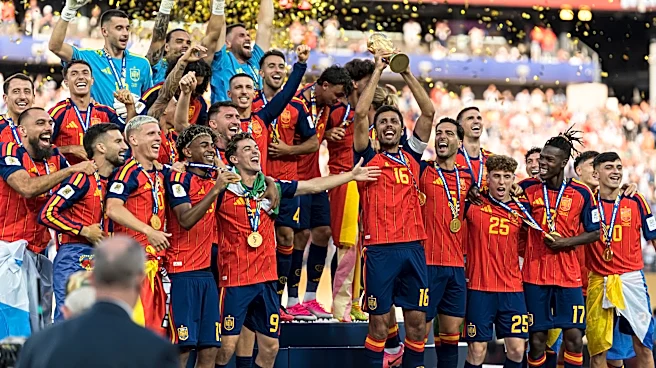
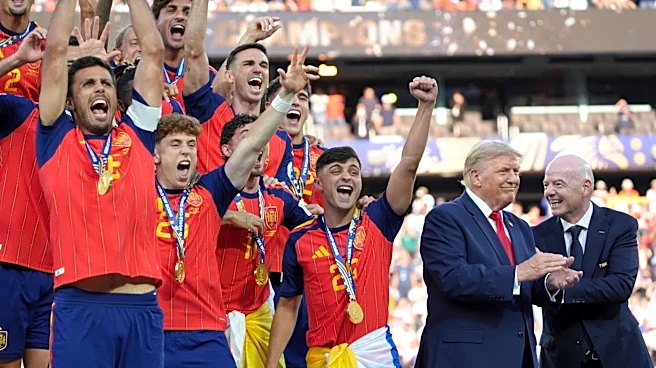
Spain's triumph in the 2026 FIFA World Cup final against Argentina brought not only a $50 million prize but also complex tax obligations for the players, coaches, and referees involved. The U.S. 'jock tax' requires athletes performing services in the United
States to pay taxes on income earned during the tournament. This tax applies even to non-residents, affecting international players who participated in matches held in the U.S. The Royal Spanish Football Federation (RFEF) will distribute 45% of the prize money as bonuses to the players, which are subject to taxation.
Why It's Important?
The tax implications of international sports events highlight the complexities of global taxation and the financial responsibilities of athletes. The U.S. 'jock tax' can significantly impact the net earnings of players, especially when combined with taxes in their home countries. This situation underscores the importance of tax treaties and agreements between countries to prevent double taxation and ensure fair treatment of international athletes. The financial aspects of hosting major sports events also raise questions about the economic benefits and costs for host nations.
What's Next?
The IRS, along with tax authorities in Canada and Mexico, has established a framework for allocating tax responsibilities for the 2026 World Cup. This agreement aims to ensure a fair distribution of tax obligations based on the number of matches played in each host country. The situation may prompt further discussions about the tax treatment of international athletes and the role of tax treaties in facilitating cross-border sports events. The outcome could influence future negotiations between sports organizations and host nations regarding tax exemptions and financial arrangements.