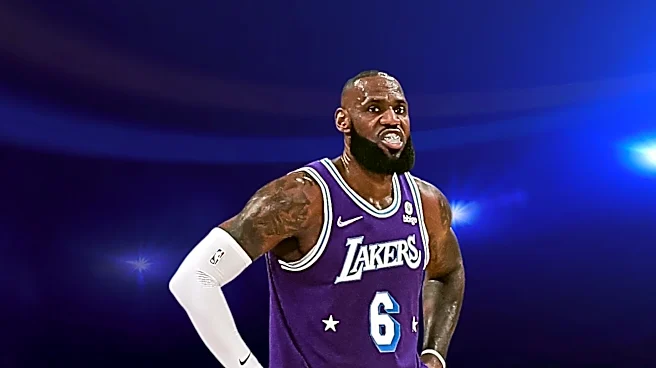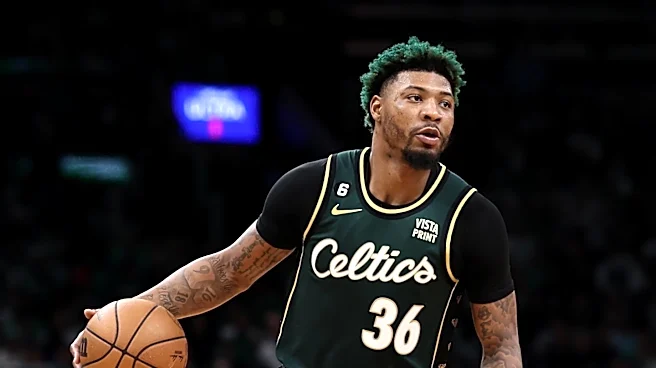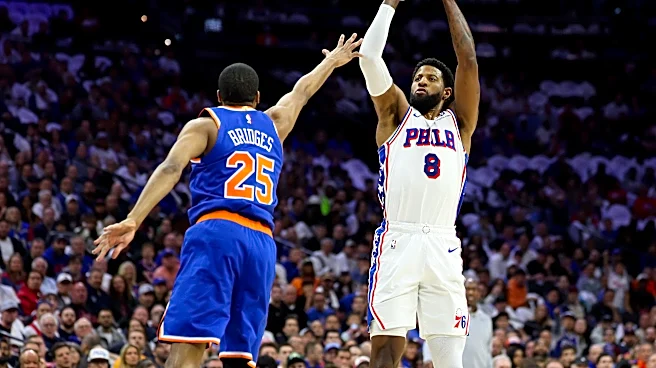

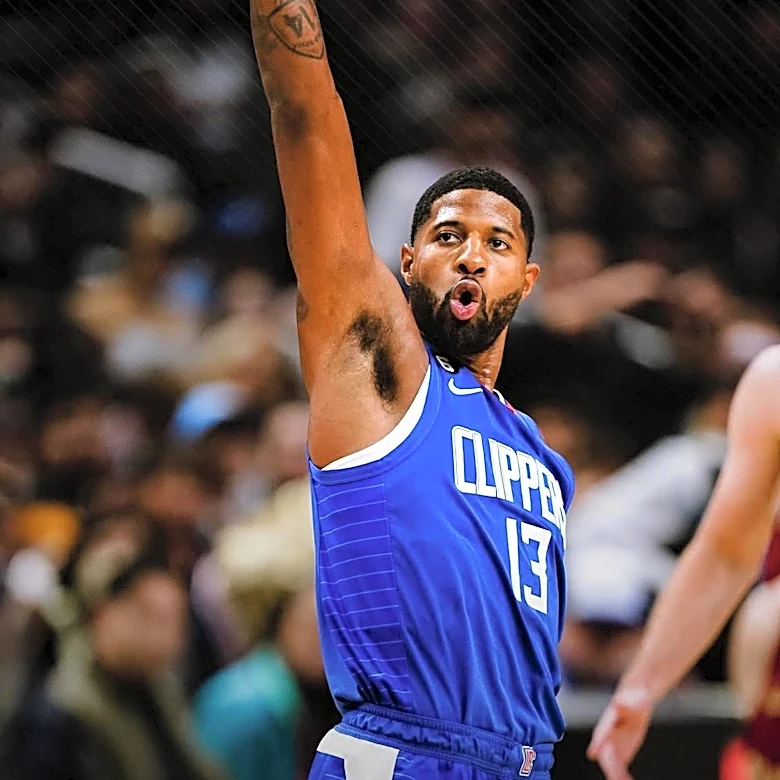



What's Happening?
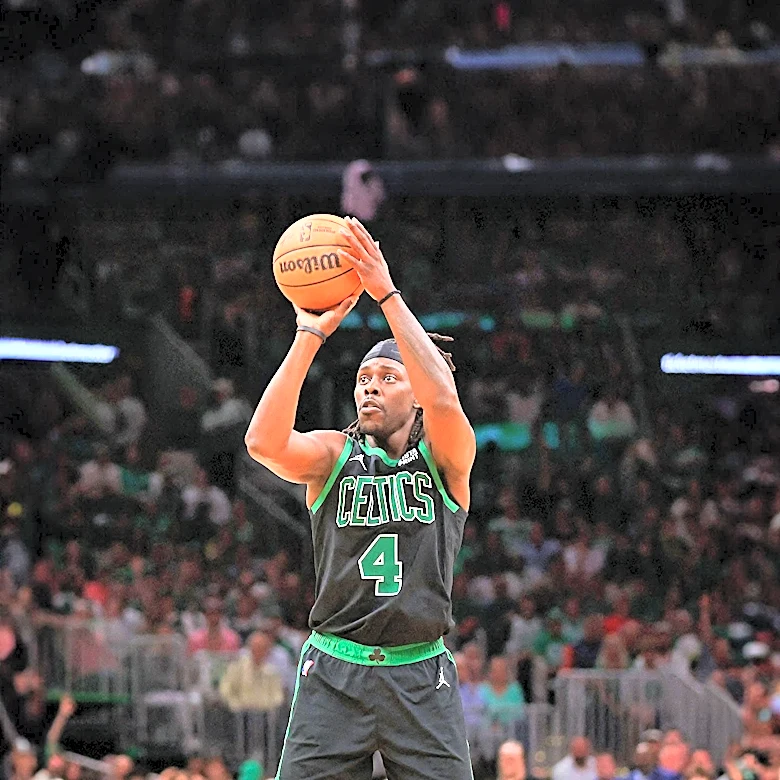
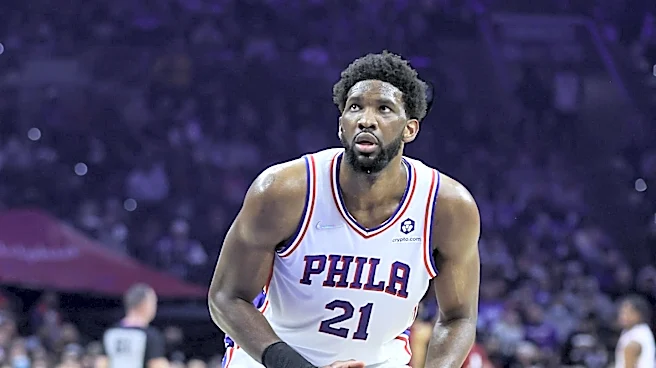
Jaylen Brown has been traded from the Boston Celtics to the Philadelphia 76ers in exchange for Paul George and several draft picks. This move follows the Celtics' unsuccessful attempt to acquire Giannis Antetokounmpo, which had included Brown as a trade piece.
Despite Brown's impressive performance, including earning second-team All-NBA honors, his perceived value around the league was not as high as expected. The Celtics' high asking price for Brown was not met by other teams, partly due to his substantial salary and the belief that his impact did not match his reputation. The trade has sparked discussions about Brown's role and value, with some executives questioning his ranking among top NBA players.
Why It's Important?
The trade of Jaylen Brown to the 76ers is significant as it underscores the complexities of player valuation in the NBA. Brown's move reflects broader trends in how teams assess player worth, balancing statistical performance with salary considerations. The Celtics' decision to trade Brown, despite his accolades, highlights the challenges teams face in managing high-profile players and their contracts. This trade could impact the Celtics' future strategy and roster composition, as well as influence how other teams approach player trades and valuations. The 76ers, acquiring Brown, may benefit from his skills, potentially altering their competitive standing in the league.
What's Next?
Following the trade, the Celtics will need to integrate Paul George into their lineup and strategize on utilizing the acquired draft picks effectively. For the 76ers, incorporating Brown into their team dynamics will be crucial. Both teams will likely assess their rosters and make further adjustments to optimize performance. The trade may also prompt other NBA teams to reevaluate their player valuation methods and trade strategies, potentially leading to more dynamic player movements in the league.