




What's Happening?
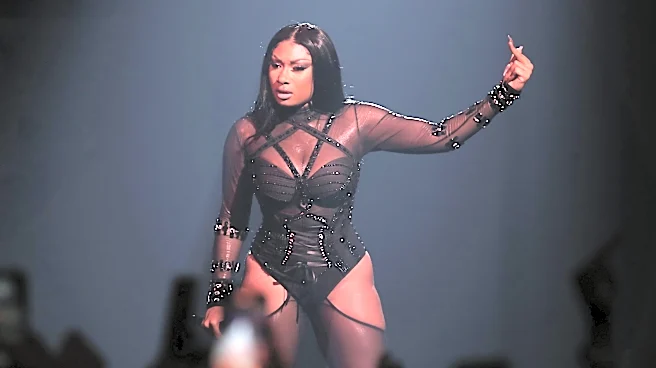
Megan Thee Stallion is seeking to dismiss a lawsuit filed by her former celebrity stylist, Eric Archibald, and his management company, Six K. The lawsuit, filed in Los Angeles Superior Court in June, alleges over $1.2 million in unpaid invoices for styling
assignments conducted between 2024 and 2025. Megan Thee Stallion's attorneys argue that the lawsuit's paperwork does not establish a personal obligation for her to pay Archibald. They are challenging the allegations against the rapper individually and claims involving five of her affiliated companies. According to MyNewsLA, the defense papers dispute unsigned deal memos for failing to identify a payer or promised services, and Megan's lawyers contend that the complaint does not identify any specific promise she made. The plaintiffs assert that invoices were sent to Megan's various companies between January 2025 and January 2026, supported by emails acknowledging deal memos, a point now disputed by the defense. The disputed charges include a $53,800 bill for the July 2025 inaugural gala for Megan's foundation in New York, covering preparation, assistants, and three gowns.
Why It's Important?
This legal dispute highlights the complexities and potential pitfalls in financial agreements between high-profile entertainers and their service providers. For Megan Thee Stallion, the outcome could impact her financial liabilities and public image, especially concerning her business practices. If the dismissal is denied, she could face a significant financial judgment and further legal proceedings, potentially affecting her brand and professional relationships. For stylists and other creative professionals in the entertainment industry, the case underscores the importance of clear, legally binding contracts and detailed documentation of services and payment terms. The dispute over unsigned deal memos and the identification of the responsible payer could set a precedent for how such agreements are structured and enforced in the future, influencing how artists and their teams manage financial obligations with vendors. The case also brings to light the challenges of managing expenses across multiple affiliated companies, a common structure for successful artists.
What's Next?
Judge Barbara A. Meiers is scheduled to consider Megan Thee Stallion's dismissal request at a hearing on March 19. If the judge grants the dismissal, the lawsuit against Megan Thee Stallion and her companies would be terminated, at least in its current form. However, if the dismissal is denied, the case will likely proceed to discovery and potentially a trial, where both sides will present further evidence and arguments. Megan Thee Stallion has previously stated that her finance team found fraudulent invoices, unsupported charges, and unverified shipment addresses during a review of the expenses, and that private settlement attempts failed. The plaintiffs, Eric Archibald and Six K, maintain that their work deserves payment. The upcoming hearing will be a critical juncture in determining the future trajectory of this high-stakes legal battle, potentially leading to further public statements or legal maneuvers from both parties.
Beyond the Headlines
Beyond the immediate financial implications, this lawsuit touches upon broader issues within the entertainment industry regarding accountability, transparency, and the power dynamics between celebrities and their creative teams. The allegations of fraudulent invoices by Megan Thee Stallion, if substantiated, could expose vulnerabilities in financial oversight within celebrity operations and raise questions about the vetting processes for vendors. Conversely, if Archibald's claims of unpaid services are upheld, it could highlight instances where artists or their management fail to honor contractual obligations, impacting the livelihoods of professionals who contribute to their public image. This case may prompt other artists and their teams to review and strengthen their contractual agreements and financial management systems to prevent similar disputes. It also underscores the reputational risks involved in public legal battles, regardless of the outcome, as such disputes can influence public perception and future professional collaborations.