





What's Happening?
Effective home workout plans for muscle gain prioritize individual schedules, current abilities, and the principle of progressive overload. According to wellbeingnutrition.com, sustainable results come from routines tailored to an individual's capacity
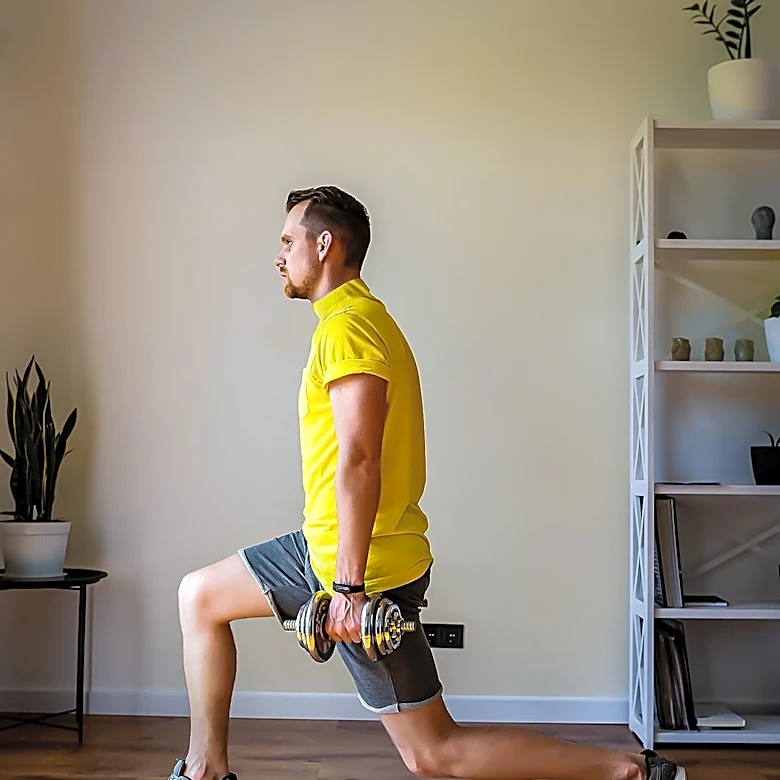
rather than copied from others. Key components of such plans include compound movements like push-ups, pull-ups, squats, lunges, glute bridges, and calf raises, which target major muscle groups. Progressive overload, defined as the planned increase of training challenge over time, can be achieved by adjusting repetitions, sets, tempo, leverage, or resistance. The article also highlights the importance of adequate protein intake and recovery to support muscle growth. For instance, a 3-day full-body split is suggested for beginners, focusing on a push, pull, squat or lunge, hip-focused movement, calf work, and core work.
Why It's Important?
The emphasis on individualized home workout plans and progressive overload is crucial for promoting effective and sustainable fitness practices in the U.S. It empowers individuals to take control of their health without relying solely on gym memberships or external trainers. This approach can democratize access to muscle-building strategies, making them feasible for people with varying schedules, equipment access, and fitness levels. By focusing on foundational movements and gradual challenge, it helps prevent injury and burnout, which are common pitfalls in fitness journeys. Furthermore, the integration of nutritional advice, particularly regarding protein intake, underscores a holistic approach to muscle gain, recognizing that exercise alone is insufficient. This shift towards personalized, evidence-based home training can contribute to improved public health outcomes and a more resilient, self-sufficient fitness culture.
What's Next?
The trend towards personalized and progressive home workout plans is likely to continue evolving, with more resources and tools becoming available to support individuals. This could include advanced fitness apps that dynamically adjust workout difficulty based on user performance, or online platforms offering tailored nutritional guidance. The fitness industry may see further innovation in home-friendly equipment that facilitates progressive overload, such as adjustable dumbbells or resistance bands with varying tensions. Educational content will also play a significant role, guiding individuals on how to properly apply principles like progressive overload and ensure adequate recovery. As people become more adept at managing their fitness at home, there may be a sustained demand for expert-led virtual coaching and community platforms that offer support and accountability.
Beyond the Headlines
The focus on sustainable, individualized home workouts extends beyond physical fitness, touching upon broader themes of self-efficacy and long-term health. By encouraging individuals to understand their bodies and adapt their routines, these approaches foster a sense of agency and responsibility for one's well-being. This can lead to greater adherence to fitness goals and a more intrinsic motivation for exercise, rather than relying on external pressures. The concept of progressive overload, while seemingly technical, embodies a fundamental principle of continuous improvement applicable to various aspects of life. Moreover, the integration of nutrition and recovery highlights a growing awareness of the interconnectedness of different health components, moving away from isolated fitness fads towards comprehensive wellness strategies. This holistic perspective can empower individuals to make more informed choices for their overall health and longevity.