







What's Happening?
A new travel trend, dubbed 'Room Rotting,' is gaining popularity among Gen Z travelers. This trend involves spending the majority of a trip inside the accommodation, prioritizing rest, relaxation, and comfort over traditional sightseeing and packed itineraries.
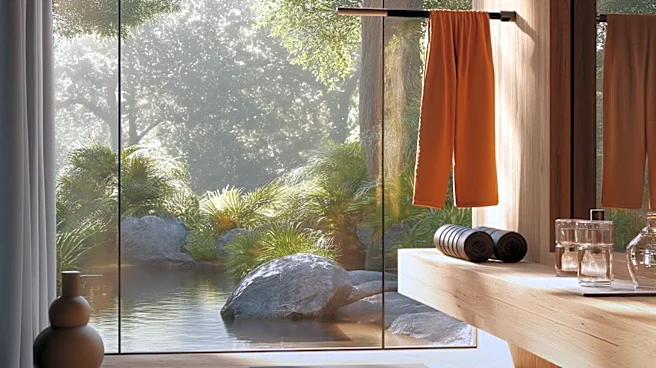
Originating from the social media habit of 'bed rotting,' where individuals spend extended periods in bed after exhausting weeks, 'Room Rotting' extends this concept to hotels and homestays. Travelers engaging in this trend often order food, watch films, and engage in activities like reading or journaling from their rooms, with minimal excursions outside. The core idea is to use travel as a means of recovery and mental well-being, rather than collecting photos or ticking off landmarks. This approach contrasts sharply with traditional travel, which typically emphasizes a fast pace, numerous activities, and extensive exploration of destinations. The trend is characterized by a focus on comfort, quiet, reliable Wi-Fi, and good food delivery options within the chosen accommodation.
Why It's Important?
The 'Room Rotting' trend highlights a significant shift in travel priorities, particularly among Gen Z. This generation, often experiencing burnout from demanding study hours, early careers, and constant online engagement, views travel as an opportunity for genuine rest and mental health recovery. The emphasis on low-pressure, flexible itineraries directly addresses issues like social media fatigue and the financial burden of extensive tours and activities. By choosing to prioritize comfort and personal space, Gen Z travelers are redefining the value proposition of a vacation. This shift has implications for the hospitality industry, which may need to adapt its offerings to cater to guests seeking more in-room amenities, enhanced comfort, and services that support a restful stay. The trend also underscores a broader societal recognition of mental health as a legitimate and essential component of well-being, influencing how younger generations allocate their discretionary time and money.
What's Next?
As 'Room Rotting' continues to gain traction, the hospitality industry is likely to respond by further tailoring its services and amenities to this growing demographic. Hotels may increasingly promote 'sleep packages,' offer late check-outs, and enhance in-room dining options. We might see more accommodations featuring projector setups, weighted blankets, aromatherapy kits, and other comforts designed to create a sanctuary-like experience. Smaller homestays are also expected to highlight cozy corners, reading nooks, and window seats in their marketing to attract these travelers. The trend could lead to a re-evaluation of how travel destinations are marketed, with a greater emphasis on the restorative aspects of a location rather than solely its attractions. Travelers themselves may continue to blend 'Room Rotting' with traditional sightseeing, incorporating periods of intense rest within longer, more varied trips, suggesting a more nuanced and personalized approach to travel planning.
Beyond the Headlines
The 'Room Rotting' phenomenon reflects deeper cultural and psychological shifts within Gen Z. It challenges the long-held societal expectation that travel must be an active, outward-focused pursuit of experiences and sights. Instead, it champions the idea that intentional rest and self-care are valid and valuable forms of travel. This trend also subtly critiques the performative aspect of social media, where every travel moment is often curated for public consumption. By opting for a more private and introspective travel style, Gen Z is asserting a desire for authenticity and a break from constant 'performance.' Ethically, it raises questions about sustainable travel, as prolonged in-room stays can increase energy and water consumption; however, the source suggests conscious travelers can mitigate this by making eco-friendly choices. Ultimately, 'Room Rotting' signifies a broader cultural movement towards prioritizing mental well-being and personal recovery in an increasingly demanding world.