






What's Happening?
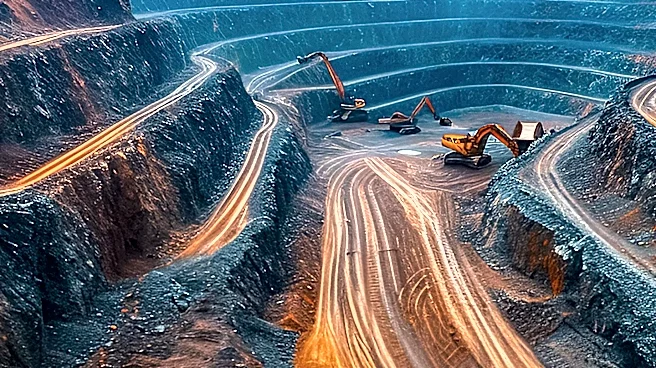
The copper industry is currently grappling with significant supply chain disruptions and a looming long-term shortage. Immediate production risks are being driven by a sulfuric acid squeeze, mine outages, and extreme weather conditions in Chile. These
factors are threatening supply as inventories and processing economics are already strained. The International Energy Agency (IEA) has highlighted that over 15% of global primary copper is produced via leaching and solvent extraction-electrowinning (SXEW), which is now under threat due to these disruptions. Additionally, the situation is exacerbated by supply disruptions in the Strait of Hormuz and China's export ban through the end of the year. The Democratic Republic of Congo (DRC) and Chile are particularly vulnerable, with some inventories reduced to just 30-60 days. In the longer term, the industry faces structural challenges such as declining ore quality, rising development costs, and long construction timelines, which could lead to a 25% shortfall in primary copper supply by 2035.
Why It's Important?
The disruptions in the copper supply chain have significant implications for various industries and the global economy. Copper is a critical component in many sectors, including electronics, construction, and renewable energy. The current supply chain issues could lead to increased prices, affecting manufacturing costs and potentially slowing down production in these industries. The long-term shortage could further exacerbate these issues, especially as demand for copper is expected to rise with the global push towards green energy and technology advancements. The potential for higher copper prices could also impact inflation rates and economic stability, particularly in countries heavily reliant on copper imports.
What's Next?
The copper industry may need to explore alternative solutions to mitigate the immediate supply chain disruptions and address the long-term structural challenges. This could involve increasing investment in new mining projects, improving existing infrastructure, and developing more efficient extraction and processing technologies. Additionally, stakeholders may need to engage in international cooperation to ensure a stable supply of sulfuric acid and other critical inputs. Policymakers and industry leaders will likely need to prioritize strategies that enhance supply chain resilience and address the underlying issues contributing to the projected supply shortfall.
Beyond the Headlines
The current situation in the copper industry highlights broader issues related to resource management and sustainability. The declining quality of ore and rising development costs underscore the need for more sustainable mining practices and innovations in resource extraction. Furthermore, the industry's challenges reflect the interconnectedness of global supply chains and the potential vulnerabilities that can arise from geopolitical tensions and environmental factors. As the world moves towards a more sustainable future, the copper industry will play a crucial role, and addressing these challenges will be essential for achieving long-term economic and environmental goals.