




What's Happening?
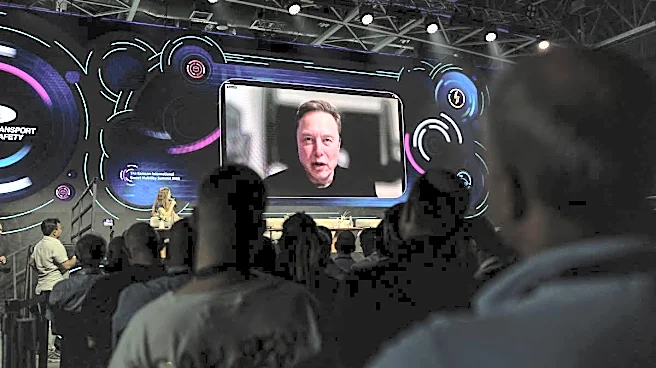
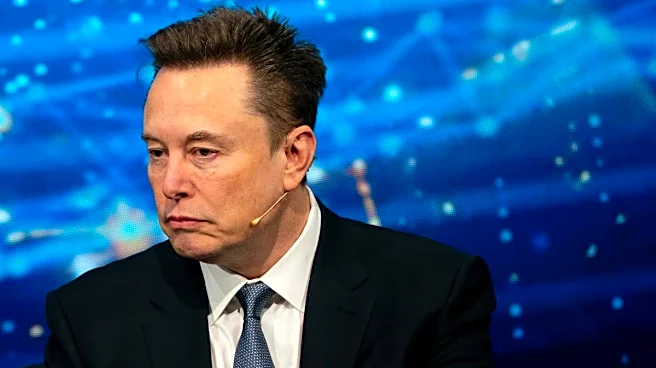
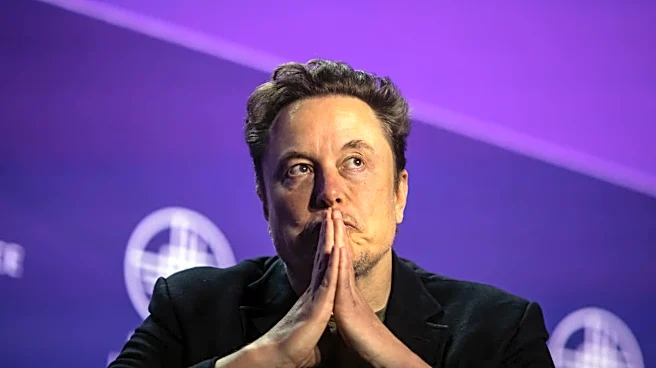
Tesla's recent earnings call revealed significant challenges in scaling the production of its humanoid robot, Optimus. CEO Elon Musk described the production scaling as 'very substantial,' highlighting it as the hardest product to manufacture at Tesla.
Despite the potential for Tesla to evolve into a major player in artificial intelligence, the company faces hurdles in turning its humanoid robots into a profitable business. The production of Optimus involves newly designed components and supply chains that are not yet fully developed, making mass production a complex task. This announcement has tempered investor expectations regarding the timeline for commercializing Tesla's humanoid robots.
Why It's Important?
Tesla's challenges in scaling humanoid robot production underscore the complexities of transitioning from prototype to mass production. While Tesla has the potential to revolutionize the robotics industry, the difficulties in manufacturing highlight the broader challenges faced by companies in bringing advanced technologies to market. This situation reflects the broader industry trend where developing cutting-edge technology is only part of the equation; achieving commercial viability is equally crucial. Tesla's experience may influence other companies in the robotics sector, prompting them to address similar production challenges. The outcome of Tesla's efforts could have significant implications for the future of robotics and artificial intelligence.
What's Next?
Tesla will likely focus on overcoming the production challenges associated with Optimus, potentially investing in developing new supply chains and manufacturing processes. The company may also explore partnerships or collaborations to accelerate production capabilities. As Tesla works to scale its humanoid robots, the industry will closely watch its progress, which could set a precedent for other companies in the sector. Investors and stakeholders will be keen to see how Tesla navigates these challenges and whether it can maintain its position as a leader in innovation. The success or failure of Tesla's efforts could influence the broader adoption of humanoid robots in various industries.