



What's Happening?
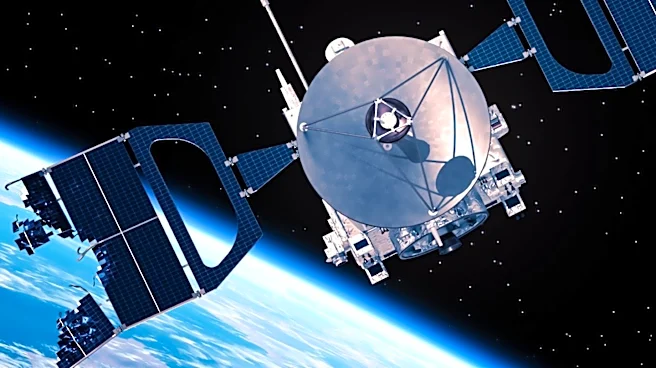
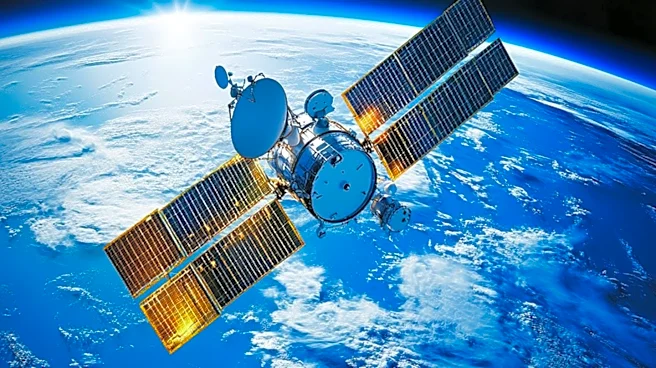
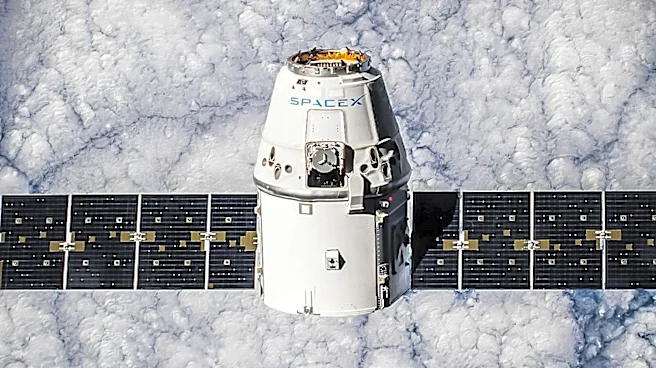
Direct-to-Cell (D2C) technology, also known as satellite-to-phone connectivity, is gaining traction as companies like AST SpaceMobile, SpaceX, and Lynk Global develop systems to connect standard mobile phones directly to satellites. This technology uses
large phased-array antennas on satellites to receive low-power signals from mobile phones, effectively turning satellites into cell towers in space. The approach allows for mobile coverage in areas without terrestrial infrastructure. However, D2C faces significant technical and regulatory challenges, including spectrum sharing and managing interference with terrestrial networks.
Why It's Important?
D2C technology has the potential to transform global telecommunications by providing mobile connectivity in remote and underserved areas. This could have significant implications for emergency services, disaster response, and bridging the digital divide. The technology's success depends on overcoming regulatory hurdles and technical challenges, such as ensuring adequate spectrum allocation and managing latency. As companies continue to develop and deploy D2C systems, the telecommunications industry could see a shift towards more integrated satellite and terrestrial networks.
What's Next?
The future of D2C technology will involve continued collaboration between satellite operators and mobile network providers to integrate satellite connectivity into standard mobile plans. Regulatory bodies will play a crucial role in facilitating spectrum sharing and ensuring that D2C systems can operate without interfering with terrestrial networks. As the technology matures, it is expected to expand beyond initial applications like messaging to include voice and data services. The development of purpose-built NTN devices could further enhance the capabilities of D2C systems.