







What's Happening?
Americans working abroad as digital nomads need robust financial planning to manage their finances effectively, according to Breaking AC News. The digital nomad lifestyle, while offering freedom, comes with unique financial obligations, including U.S.
tax compliance on worldwide income. Key recommendations include using prepaid cards and digital wallets for budgeting, establishing emergency funds to counter income volatility and unexpected disruptions, and creating a realistic budget that accounts for fluctuating income and varying expenses based on location. Digital nomads are advised to categorize expenses into essentials, discretionary spending, and unexpected costs. Furthermore, maintaining U.S. financial accounts can be challenging due to compliance concerns, necessitating strategies like retaining a U.S. mailing address or working with specialized advisory firms. Healthcare and insurance also require careful planning, as U.S. policies often lack adequate international coverage, making worldwide healthcare policies or local public systems essential considerations. Optimizing currency transfers through online services rather than traditional banks is also highlighted to minimize fees and unfavorable exchange rates.
Why It's Important?
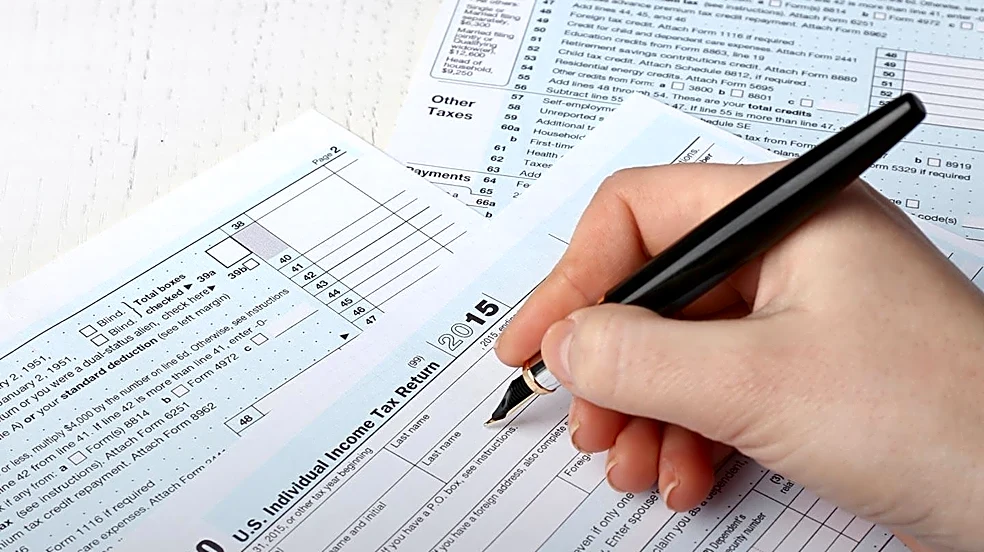
The increasing popularity of the digital nomad lifestyle among Americans necessitates a clear understanding of financial responsibilities to avoid legal and monetary pitfalls. The U.S. tax system, which taxes worldwide income regardless of residency, poses a significant challenge, making provisions like the Foreign Earned Income Exclusion and Foreign Tax Credit crucial for reducing tax burdens. Non-compliance with reporting requirements for foreign financial accounts, such as FinCEN Form 114 (FBAR) and Form 8938, can lead to severe penalties. The advice on budgeting and emergency funds is vital for financial stability, as digital nomads often face unpredictable income streams and unexpected costs like medical emergencies or equipment failures. The guidance on managing banking and investments across borders helps prevent loss of access to critical financial services, while proper healthcare planning ensures access to medical care, which can be extremely costly abroad. These financial strategies are essential for digital nomads to sustain their lifestyle and avoid financial distress.
What's Next?
Digital nomads are encouraged to proactively engage with cross-border tax advisors to structure their finances correctly before embarking on their international journeys. This includes understanding specific tax provisions and reporting requirements to ensure compliance. They should also review and adjust their budgeting methods regularly, utilizing digital tools to track spending and adapt to changing financial circumstances. For banking and investments, individuals should plan to maintain U.S. accounts through appropriate means and consider working with firms specializing in international finance for Americans. Researching and securing comprehensive international health and travel insurance policies is a critical next step to ensure adequate coverage. Additionally, digital nomads should continuously seek out cost-effective currency transfer services to optimize their financial transactions. Ongoing vigilance and adaptation to financial regulations and personal circumstances will be key to the long-term success of their nomadic lifestyle.
Beyond the Headlines
The rise of the digital nomad lifestyle reflects broader shifts in the global workforce, highlighting the increasing demand for remote work flexibility and the challenges of traditional financial and regulatory systems in adapting to this new paradigm. The complexities faced by American digital nomads underscore the need for international cooperation on tax policies and financial regulations to create a more streamlined environment for global workers. Ethically, the responsibility falls on individuals to understand and comply with laws in both their home country and host countries, while financial institutions and governments are challenged to innovate services that cater to this mobile demographic. This trend also points to potential long-term shifts in urban development, as cities worldwide compete to attract digital nomads through specialized visas and infrastructure, potentially leading to new economic ecosystems and cultural exchanges. The emphasis on financial preparedness also highlights the growing importance of financial literacy in an increasingly globalized and remote-work-driven economy.