






What's Happening?
Oxford Brain Diagnostics (OBD), a company specializing in quantitative brain biology, has announced the appointment of Jieun Choe as its new Chief Executive Officer and a member of its Board of Directors. Choe, a healthcare AI and life sciences executive,
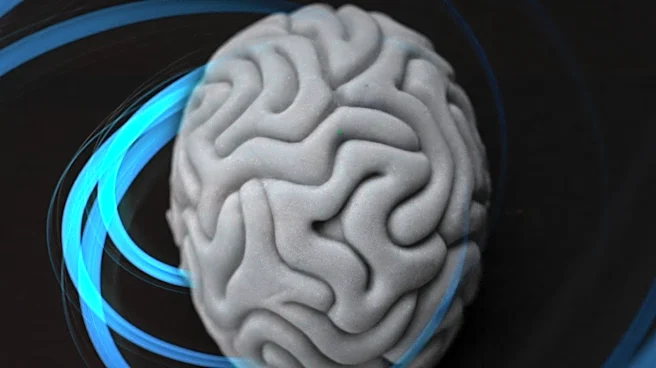
joins OBD as the company enters a significant growth phase. OBD's core technology, Cortical Disarray Measurement (CDM®), developed at the University of Oxford, transforms routine MRI scans into objective measures of brain microstructure. This technology aims to create new imaging biomarkers to improve the diagnosis, treatment selection, disease monitoring, and therapeutic development for neurodegenerative diseases. Choe's appointment is expected to help scale OBD's platform and advance precision brain health, particularly as disease-modifying therapies, blood biomarkers, and artificial intelligence continue to reshape neurology.
Why It's Important?
This leadership change at Oxford Brain Diagnostics is significant for the U.S. healthcare and technology sectors, particularly in the field of neurodegenerative diseases. Jieun Choe's expertise in healthcare AI and scaling platforms to major hospitals, as demonstrated by her previous role at Viz.ai, suggests a strategic push for broader clinical adoption of OBD's technology. The integration of advanced AI-driven diagnostics like CDM® into routine medical practice could revolutionize how neurodegenerative conditions such as Alzheimer's are detected and managed. This could lead to earlier and more accurate diagnoses, enabling more personalized and effective treatment plans. Pharmaceutical companies and healthcare providers stand to gain from improved patient stratification for clinical trials and better monitoring of treatment efficacy, ultimately benefiting patients by potentially slowing disease progression and improving quality of life.
What's Next?
With Jieun Choe at the helm, Oxford Brain Diagnostics is poised to accelerate the translation of its scientific foundation into widespread clinical and commercial impact. The company, which already holds FDA Breakthrough Device Designation and 510(k) clearance for CDM Insights®, is expected to expand its collaborations with pharmaceutical companies and healthcare providers. Choe's focus will likely be on scaling the quantitative brain biology platform, driving its adoption across U.S. hospitals and academic institutions. This could involve further development of AI-powered diagnostic tools, expanding the range of neurodegenerative diseases addressed, and potentially influencing future guidelines for neurological assessment. The company's founder, Dr. Steven Chance, will transition to Chief Scientific Officer, focusing on scientific vision and innovation, ensuring continued technological advancement.
Beyond the Headlines
The appointment of a healthcare AI executive to lead Oxford Brain Diagnostics underscores a broader trend in medicine: the increasing convergence of artificial intelligence, advanced diagnostics, and precision health. This development has profound ethical and societal implications. As AI-driven tools become more central to diagnosing complex diseases like Alzheimer's, questions around data privacy, algorithmic bias, and equitable access to these advanced technologies will become paramount. The ability to detect neurodegenerative diseases earlier could lead to significant improvements in patient outcomes, but it also raises challenges regarding the psychological impact of early diagnosis and the need for robust support systems. This shift towards quantitative brain biology could fundamentally alter the patient journey, from initial symptoms to long-term care, necessitating careful consideration of the human element alongside technological advancements.