







What's Happening?
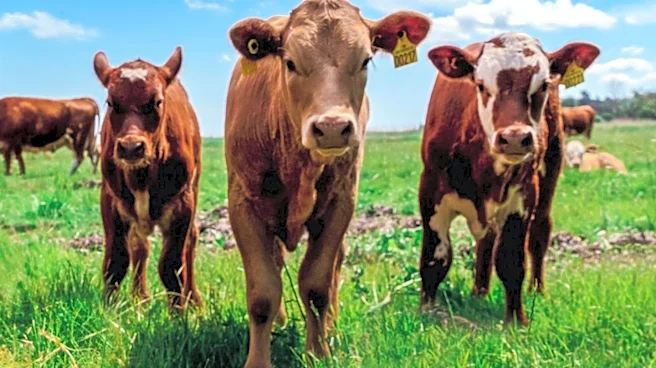
The integration of artificial intelligence (AI) in beef cattle farming is transforming traditional livestock management practices. By utilizing advanced technologies such as real-time sensors, computer vision, and predictive analytics, farmers can now
monitor cattle health, feeding patterns, and growth more effectively. These AI systems collect data from various sources, including sensors and cameras, to provide insights that help farmers make informed decisions. Key benefits include improved animal health through early detection of changes in eating habits and movement, which allows for timely interventions to prevent illnesses. Additionally, AI aids in optimizing feed usage by analyzing growth and feed conversion rates, thereby reducing waste and costs. The technology also enhances breeding programs by enabling the selection of genetically superior animals, leading to stronger herds over time. Despite the advantages, challenges such as high costs, the need for reliable internet access, and the requirement for farmers to learn new technologies remain.
Why It's Important?
The adoption of AI in cattle farming holds significant implications for the agricultural industry. By improving efficiency and reducing costs, AI can enhance the profitability of farms, which is crucial in an industry often characterized by thin margins. The ability to monitor and improve animal health not only boosts productivity but also aligns with increasing consumer demand for ethically raised livestock. Furthermore, the optimization of resources such as feed and water contributes to more sustainable farming practices, addressing environmental concerns associated with agriculture. As AI technology continues to evolve, it could lead to more integrated farm management systems, offering comprehensive solutions that combine health, feeding, and breeding data. This could revolutionize the way farms operate, making them more resilient and adaptable to market demands.
What's Next?
Looking ahead, the continued development and integration of AI systems in farming are expected to further streamline operations and enhance sustainability. As technology becomes more accessible and affordable, more farmers may adopt these systems, leading to widespread changes in the industry. Training programs and support systems will be essential to help farmers transition to AI-driven practices. Additionally, collaborations between technology providers and agricultural stakeholders could drive innovation and address existing challenges. Policymakers may also play a role in facilitating this transition by providing incentives or support for technology adoption in agriculture.
Beyond the Headlines
The shift towards AI in farming raises important ethical and cultural considerations. The use of technology in animal management may lead to debates about the balance between technological intervention and traditional farming practices. There is also the potential for AI to impact rural employment, as automation could reduce the need for manual labor. However, it could also create new opportunities in tech-related agricultural roles. Long-term, the integration of AI could contribute to a more data-driven approach to farming, influencing everything from supply chain management to consumer transparency.