



What's Happening?
Outdoor living spaces are evolving from seasonal amenities to essential, year-round extensions of the home. Homeowners are increasingly designing these areas for continuous comfort and functionality, moving beyond mere summer enjoyment. This trend involves
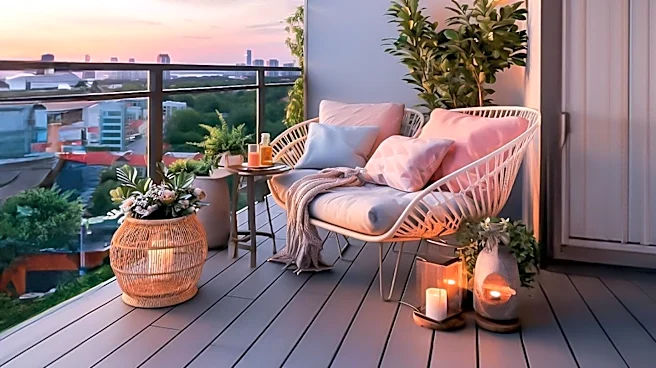
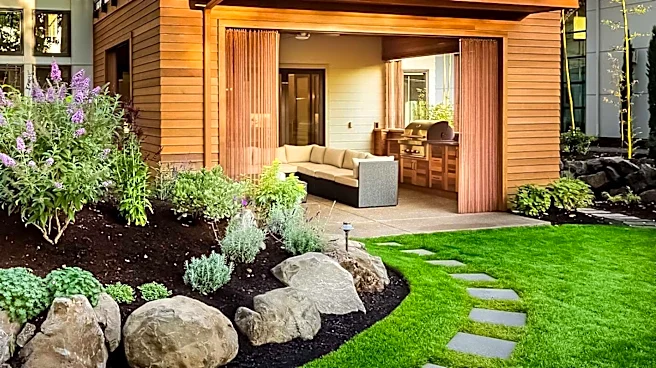
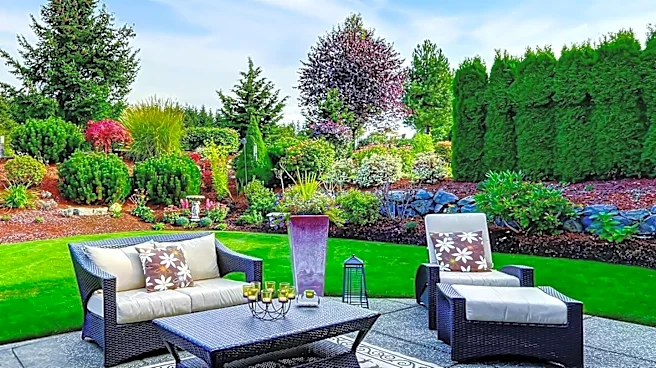
incorporating features like glass roofs and patio enclosures to provide protection from elements such as rain and wind, while still preserving panoramic views. The goal is to create outdoor environments that mimic the comfort of indoor rooms, facilitating activities like morning coffee, family dinners, remote work, and social gatherings. As temperatures shift, particularly from summer to fall, adjustments are made to furniture placement, fabrics are swapped for more fall-friendly and insulating options, soft rugs are introduced, and seasonal decorations are integrated to maintain both aesthetic appeal and comfort. Popular design choices include natural stone patios, eclectic backyard gardens, and seamless indoor-outdoor living spaces.
Why It's Important?
This shift in how outdoor spaces are utilized reflects a broader change in consumer behavior and home design priorities within the U.S. It signifies an increased investment in home comfort and versatility, potentially boosting sectors related to home improvement, outdoor furniture, landscaping, and construction. The demand for year-round outdoor solutions, such as weather-resistant enclosures and heating elements, creates new market opportunities for manufacturers and service providers. Furthermore, it impacts lifestyle, as individuals seek to maximize their living areas and connect more with nature, even in urban or suburban settings. This trend could also influence property values, with well-designed and functional outdoor spaces becoming a more significant selling point. The emphasis on adapting spaces for different seasons also highlights a growing consumer awareness of environmental factors and a desire to extend the usability of their property regardless of weather conditions.
What's Next?
Looking ahead, the market is likely to see continued innovation in outdoor living products and services. This includes advancements in weather-resistant materials, smart home integration for outdoor heating and lighting, and modular design solutions that allow for easy seasonal transitions. Homeowners can expect more sophisticated options for patio enclosures, outdoor kitchens, and integrated entertainment systems. The landscaping industry will likely focus on cold-hardy plants and sustainable garden designs that thrive across seasons. Additionally, interior designers and architects will increasingly incorporate outdoor spaces into their initial home designs, treating them as integral parts of the overall living environment rather than as afterthoughts. This will lead to a more holistic approach to home design, where the boundaries between indoor and outdoor living become increasingly blurred, driven by consumer demand for flexible and comfortable spaces.
Beyond the Headlines
The evolution of outdoor living spaces touches upon deeper societal and cultural shifts. It reflects a growing desire for connection with nature and an emphasis on well-being, as people seek to create personal sanctuaries that offer respite from daily stresses. The ability to work remotely has also contributed to this trend, as individuals look for diverse and comfortable environments within their homes to conduct their professional lives. Ethically, this trend could raise questions about sustainable material sourcing and energy consumption for heating and cooling outdoor areas. Culturally, it signifies a move towards a more integrated lifestyle, where leisure, work, and family activities can seamlessly transition between indoor and outdoor settings. This long-term shift could redefine the concept of 'home' to encompass a more expansive and adaptable living environment, emphasizing flexibility and personal comfort as paramount.