


What's Happening?
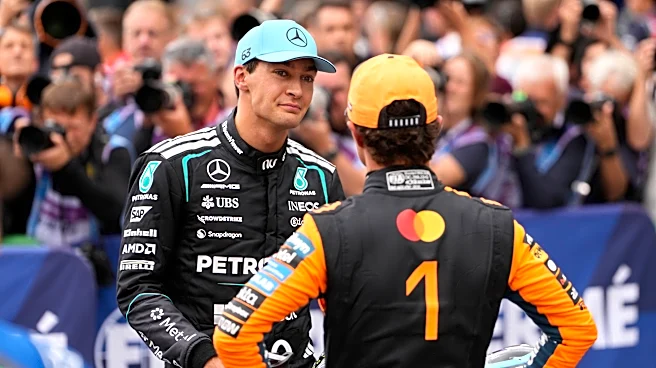
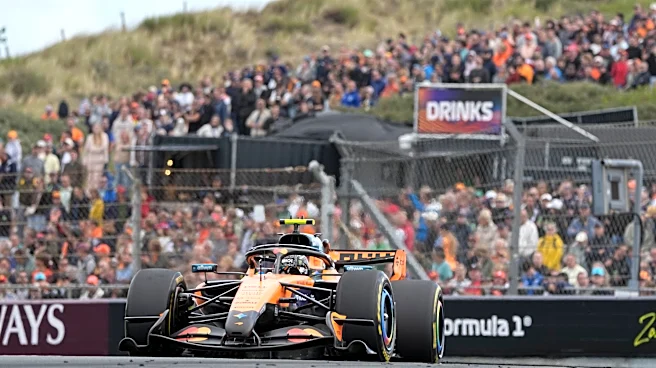
Lando Norris of McLaren has secured pole position for the Dutch Grand Prix, dominating a highly competitive qualifying session at Zandvoort. Norris achieved a time of 1:11.163, placing him 102 milliseconds ahead of George Russell of Mercedes, who will
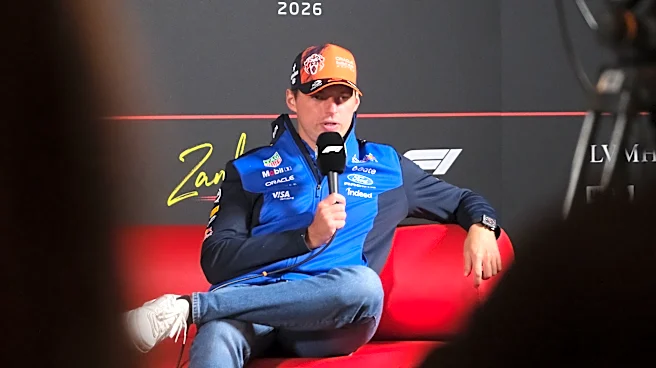
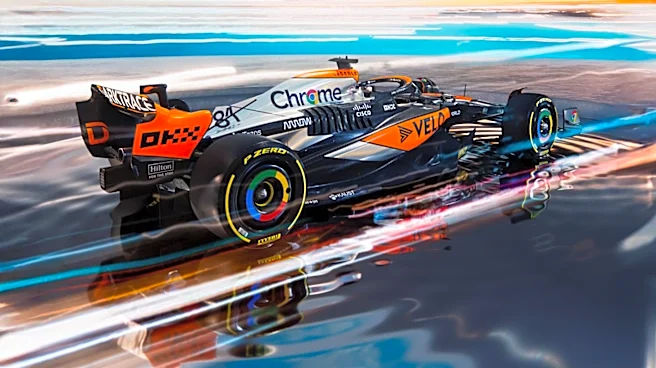
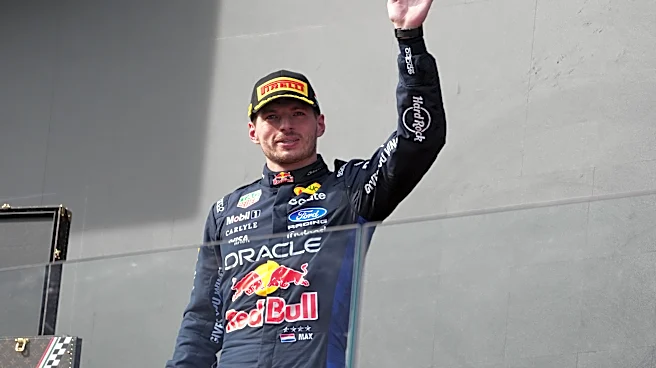
start second. The front row will feature Norris and Russell, while Kimi Antonelli and Oscar Piastri will occupy the second row, making it an all-Mercedes-powered top four. Lewis Hamilton will start fifth, followed by Charles Leclerc and Max Verstappen. Liam Lawson delivered a strong performance for Racing Bulls, qualifying eighth, ahead of Gabriel Bortoleto and Arvid Lindblad, who complete the top ten. Notably, Max Verstappen, racing on his home circuit, will start seventh, having not appeared to be a strong contender for pole position. The qualifying results highlight the strong performance of cars equipped with Mercedes engines, with McLaren and Mercedes securing the top four spots.
Why It's Important?
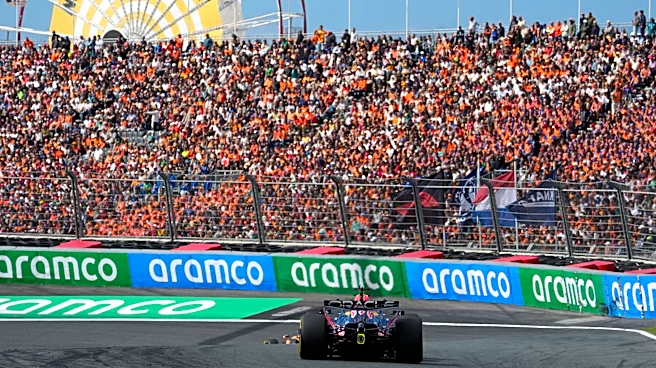
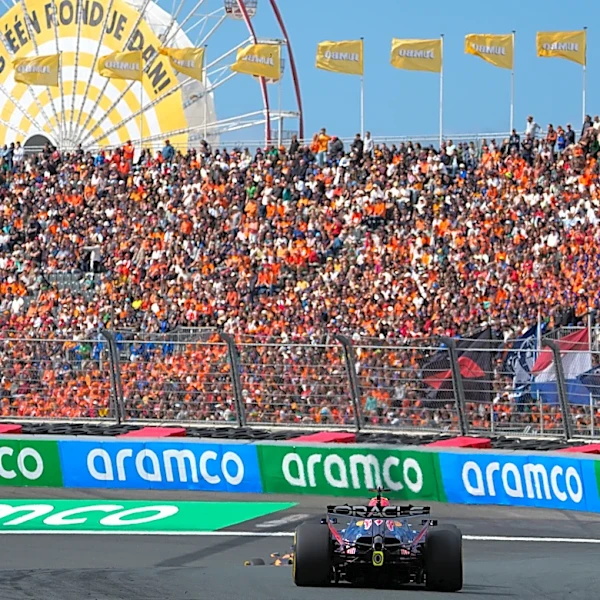
The qualifying results for the Dutch Grand Prix are significant as they set the stage for a potentially thrilling race, with unexpected front-runners and a challenging position for the home favorite, Max Verstappen. The dominance of Mercedes-powered cars, particularly McLaren's strong showing, could indicate a shift in competitive dynamics within Formula 1. For McLaren, Norris's pole position is a major boost, demonstrating their car's capabilities and potentially increasing their standing in the constructors' championship. Mercedes' strong presence in the top four also reinforces their engineering prowess. Conversely, Verstappen starting seventh at his home race adds an element of unpredictability and pressure, as he will need to aggressively gain positions to contend for a win. This outcome could impact team strategies, driver morale, and the overall championship narrative, especially if Verstappen struggles to advance through the field. The race will be a crucial test of both car performance and driver skill under pressure.
What's Next?
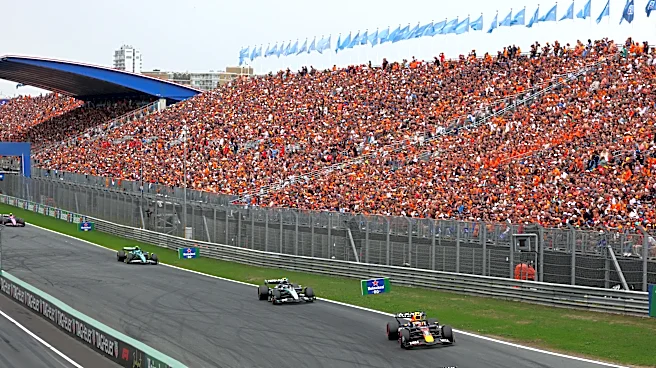
The Dutch Grand Prix race is scheduled to take place, with Lando Norris starting from pole position. Max Verstappen will aim to make up ground from his seventh-place starting position on his home circuit. The performance of the Mercedes-powered cars, particularly McLaren and Mercedes, will be closely watched to see if they can maintain their qualifying advantage throughout the race. Team strategies regarding tire management, pit stops, and overtakes will be critical, especially for drivers starting further down the grid like Verstappen. The race outcome will influence the drivers' and constructors' championship standings, potentially tightening or widening the gaps between competitors. Post-race analysis will focus on how drivers managed the Zandvoort track, known for its challenging corners, and the effectiveness of their race strategies. The results will also provide valuable data for teams as they prepare for subsequent races in the Formula 1 calendar.
Beyond the Headlines
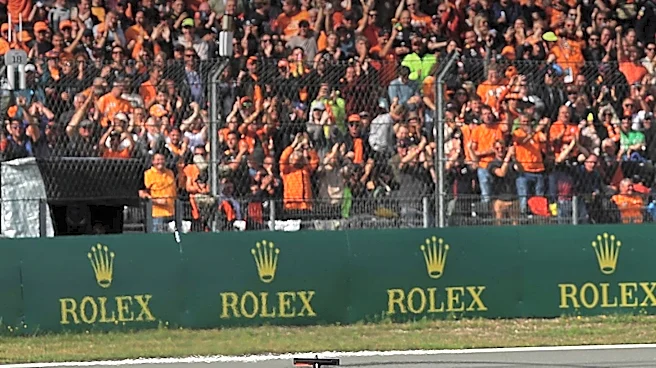
The qualifying results at Zandvoort highlight the intricate balance of engineering, driver skill, and strategic planning in Formula 1. The strong performance of Mercedes-powered cars, particularly McLaren's pole position, underscores the continuous development and competitive nature of engine technology in the sport. This outcome could influence future partnerships and engine supply deals, as teams constantly seek a competitive edge. For Max Verstappen, starting seventh at his home race presents a unique psychological challenge; while it could fuel a determined comeback drive, it also places immense pressure on him to deliver for his home crowd. The event also showcases the evolving landscape of driver talent, with younger drivers like Norris and Antonelli demonstrating their capabilities against established champions. The Dutch Grand Prix, with its passionate fanbase and challenging circuit, often produces memorable races, and this qualifying session has set the stage for another potentially iconic event, reflecting the broader narrative of innovation and intense competition in global motorsport.