






What's Happening?
As winter approaches, creating a warm, well-lit, and comfortable home environment is essential for maintaining well-being. Shorter days and colder rooms can negatively impact energy levels and sleep. Simple, cost-effective changes can significantly improve
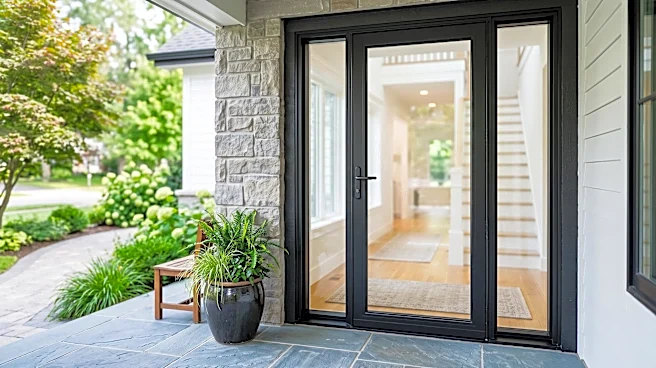
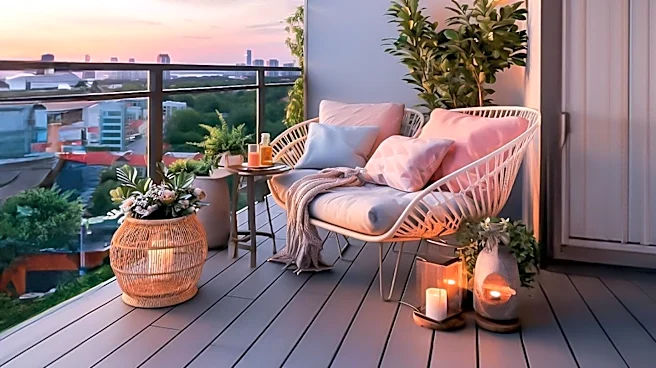
comfort. These include layering warmth into every room with thick curtains, rugs, and heavier duvets, which can also help manage heating costs. Sealing gaps around doors and windows with brush strips or self-adhesive foam is an inexpensive way to retain heat. Maximizing natural daylight by placing desks and reading chairs near windows and using light-colored walls and mirrors to reflect light can counteract the effects of shorter days. In the evenings, switching to warm-white bulbs and lamps at different heights can create a softer, more restful atmosphere. Bedrooms should be kept cooler than living areas, with blankets used instead of turning up radiators, as temperature can affect sleep more than noise.
Why It's Important?
The home environment plays a critical role in physical and mental health, especially during winter when people spend more time indoors. Cold, dark, and uncomfortable living spaces can contribute to lower energy levels, disrupted sleep patterns, and a general decline in mood, potentially exacerbating seasonal affective disorder or the 'winter blues.' By implementing these home improvements, individuals can create a sanctuary that promotes rest, reduces stress, and supports overall well-being. This proactive approach can lead to better sleep quality, improved mood, and increased productivity, ultimately enhancing daily life during the challenging winter months. Furthermore, energy-efficient adjustments can lead to cost savings on heating, providing economic benefits to households.
What's Next?
Individuals are encouraged to implement these changes gradually, focusing on one job each weekend, such as fitting draught strips or rearranging furniture to maximize daylight. The goal is to make small, sustainable changes that accumulate over time, ensuring the home is well-prepared before the coldest weeks arrive. This continuous improvement approach helps integrate these practices into daily life without feeling overwhelmed. The focus will be on creating a consistently comfortable and supportive living space throughout the winter season.
Beyond the Headlines
The emphasis on home environment for winter wellness highlights the often-overlooked impact of physical surroundings on mental and emotional health. Beyond mere comfort, a well-designed and maintained home can act as a buffer against external stressors, promoting a sense of security and calm. This perspective suggests that wellness is not solely about individual habits but also about the spaces we inhabit. The advice implicitly encourages a mindful approach to living, where attention to detail in one's immediate environment contributes to a holistic sense of well-being. It also touches upon the broader issue of energy efficiency and sustainable living, as many of the recommended changes also contribute to reducing energy consumption.