







What's Happening?
India's luxury hospitality market is undergoing a significant transformation with the introduction of individual ownership in professionally managed luxury resort residences. Fine Acers' Wyndham Grand Jaipur Amer - Spa, Resort & Branded Residences is pioneering
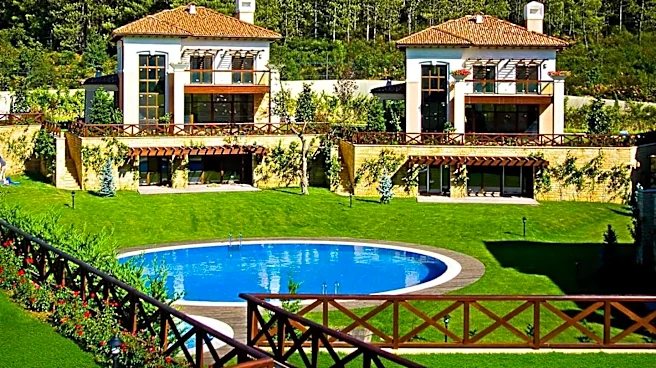
this model, allowing individual investors to own a piece of a five-star hotel. Traditionally, such ownership was limited to hotel companies, institutional investors, and wealthy developers. The project, located near Jaipur's Amer Fort, features 278 accommodation units and operates under a sale-and-leaseback structure. This model enables purchasers to own freehold resort units while leasing them back for professional hospitality operations, offering contractual returns and access to hospitality privileges without the responsibilities of day-to-day management. The development has secured approval from Rajasthan's Real Estate Regulatory Authority (RERA), marking a notable regulatory milestone in this emerging market segment.
Why It's Important?
This shift in luxury property ownership in India is significant as it democratizes access to high-end hospitality assets, potentially broadening the capital available for luxury resort development. By attracting individual investors, projects can reduce reliance on traditional institutional funding or developer equity. For investors, it combines the Indian preference for tangible property ownership with the income-generating potential of professionally managed hospitality assets. This model offers a new avenue for wealth creation and diversification within the real estate sector, appealing to those who value both property permanence and the convenience of a managed product. The success of such projects could establish a more mainstream market for individually owned, professionally managed luxury hospitality assets, influencing future development and investment trends in the region.
What's Next?
The success and widespread adoption of this individual ownership model will depend on several factors, including the performance of completed resorts, the reliability of contractual payments, the transparency of ownership documentation, and the emergence of a credible secondary market for these assets. Prospective purchasers will need to conduct thorough due diligence, examining legal structures, financial commitments, and operational agreements. The indicative opening of Wyndham Grand Jaipur Amer is slated for 2030, and its operational success will serve as a crucial case study for similar future developments. If successful, this model could inspire other developers to adopt similar strategies, further integrating individual ownership into the luxury hospitality landscape in India and potentially beyond.
Beyond the Headlines
This development signifies a deeper evolution in the concept of luxury property ownership, moving beyond traditional residential or holiday homes to include participation in the business of hospitality itself. It highlights a growing trend where the lines between personal asset ownership and investment in commercial ventures are blurring. The model also addresses the practical challenges of owning a second home, such as maintenance and staffing, by integrating properties into a professional hospitality operation. This trade-off between personal flexibility and professional management could redefine what affluent buyers seek in luxury real estate, emphasizing managed convenience and potential returns over unrestricted personal access. The ethical and legal implications of contractual returns and buyback mechanisms will also be under scrutiny as this market segment matures.