

What's Happening?
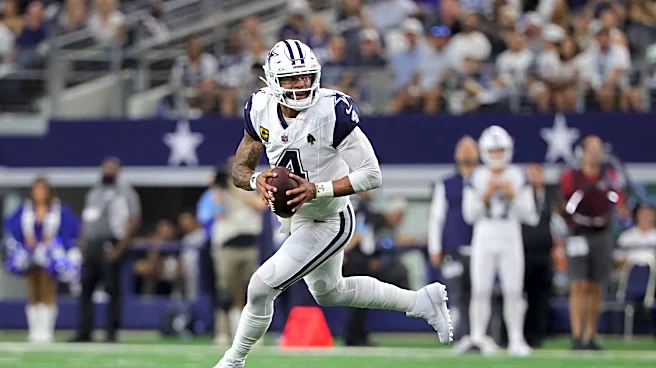
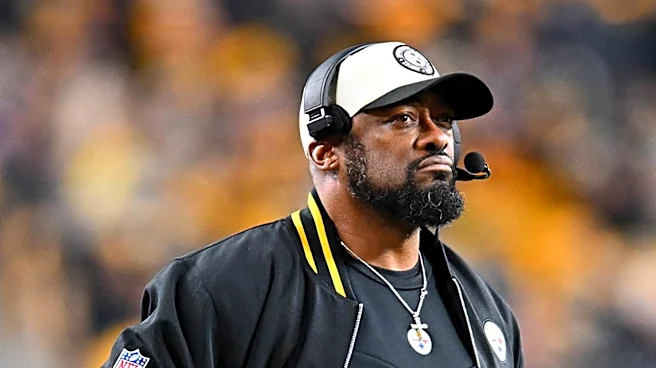
Mike Tomlin, the former head coach of the Pittsburgh Steelers and now a studio analyst for NBC's Sunday Night Football, publicly criticized the Dallas Cowboys' defensive strategy during their recent 34-31 loss to the Baltimore Ravens in Brazil. Tomlin specifically
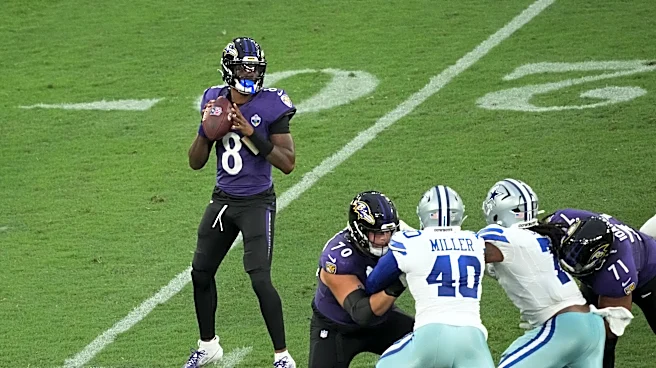
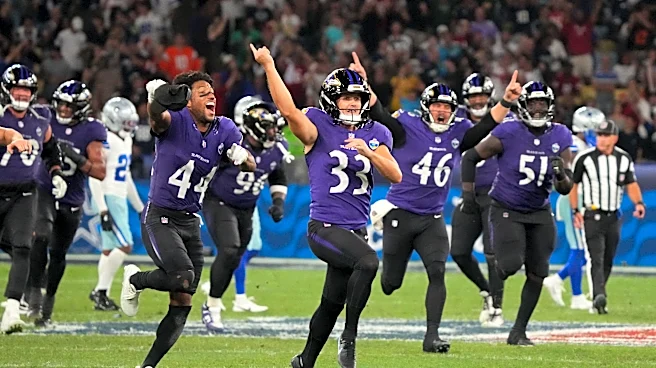
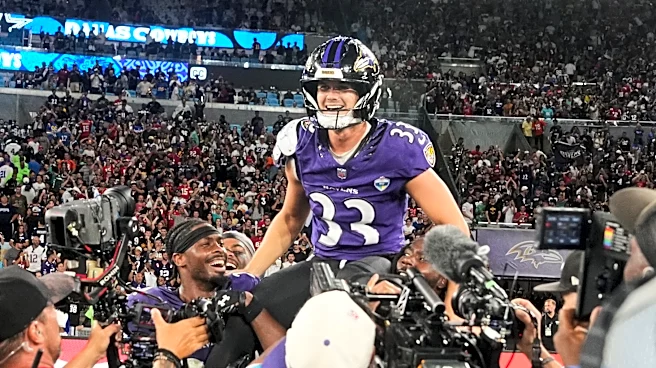
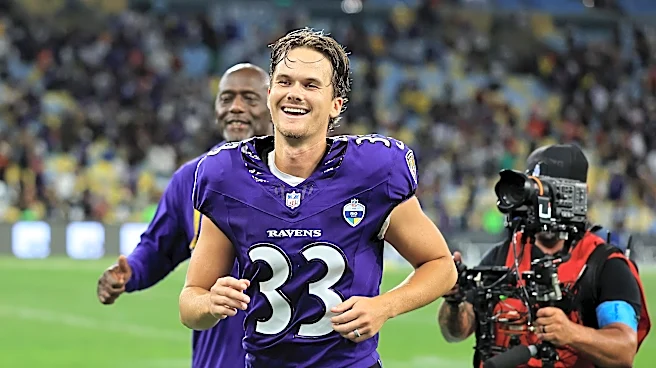
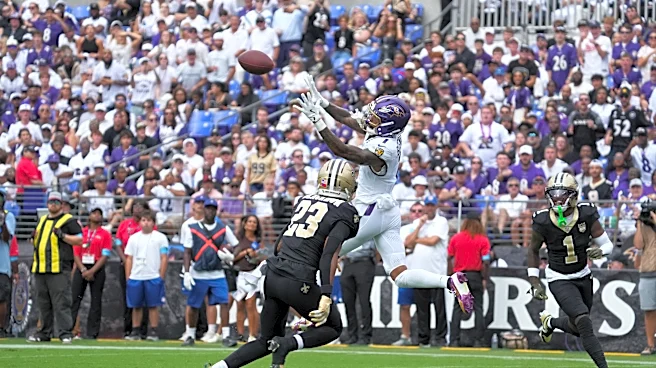
labeled the Cowboys' late-game decisions as 'somewhat negligent,' particularly their choice to play man-to-man coverage in a critical situation. With seven seconds left and the game tied, the Cowboys kicked a touchback, giving the Ravens possession at their own 35-yard line. Tomlin expressed surprise that Dallas opted for man coverage instead of an 'umbrella zone,' which would typically position defenders deeper to prevent a long completion. This allowed Ravens quarterback Lamar Jackson to connect with Zay Flowers for a 27-yard gain, setting up a game-winning 56-yard field goal. Tomlin's analysis, delivered during the halftime show of the Broncos-Rams game, highlighted what he perceived as strategic missteps by the Cowboys' coaching staff.
Why It's Important?
Tomlin's candid critique is significant because it deviates from the unwritten rule among former coaches turned broadcasters to avoid directly criticizing their peers. This break from tradition offers a more direct and potentially more insightful analysis for viewers, moving beyond the often-guarded commentary typical of the 'coaching fraternity.' His willingness to call out specific strategic errors, such as the defensive coverage choice, provides a deeper understanding of game management for the audience. For the NFL, this could signal a shift towards more forthright broadcasting, potentially increasing viewer engagement and offering a fresh perspective on game analysis. It also puts pressure on coaching staffs, as their decisions are now subject to more direct scrutiny from experienced former colleagues. For the Cowboys, this public assessment from a respected figure like Tomlin could intensify scrutiny on their coaching decisions and game-day execution, especially following a critical loss.
What's Next?
Following Tomlin's analysis, the Dallas Cowboys' coaching staff, including head coach Brian Schottenheimer and defensive coordinator Christian Parker, may face increased pressure and questions regarding their late-game strategies. Schottenheimer has already defended the kickoff decision, stating the intent was to force a short pass and play for overtime. However, the outcome suggests their defensive call was exploited. The Cowboys will look to rebound in Week 4 against the Houston Texans, where their game management and defensive schemes will likely be under a microscope. Tomlin, in his new role as an NBC analyst, is expected to continue providing his unvarnished opinions, potentially setting a new standard for critical analysis in sports broadcasting. This approach could lead to more engaging discussions among fans and media, as well as prompt other former coaches to be more open in their commentary.
Beyond the Headlines
Tomlin's approach to broadcasting highlights a broader tension between professional solidarity and objective analysis in sports media. Historically, former players and coaches often maintain a degree of deference to their former colleagues, leading to commentary that can sometimes be perceived as overly diplomatic. Tomlin's willingness to break this mold could usher in an era of more critical and less constrained sports analysis, benefiting audiences who seek deeper insights. This shift could also influence how current coaches and teams prepare, knowing that their decisions will be dissected by highly knowledgeable former peers. Ethically, it raises questions about the balance between maintaining professional relationships and fulfilling the role of an independent analyst. Culturally, it challenges the 'fraternity' aspect of professional sports, suggesting that accountability and objective assessment might take precedence over unspoken codes of conduct, ultimately enriching the discourse around the sport.