







What's Happening?
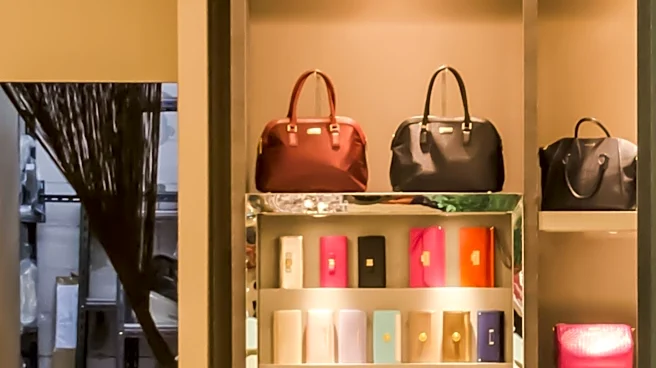
Fashionphile, a California-based luxury resale company founded by Sarah Davis, has experienced a significant surge in its Birkin bag listings, increasing 32-fold over the past 15 years. This growth highlights the expanding resale market for high-end goods.
The company offers an Authenticity Guarantee for luxury handbags priced over $500 and provides a 'Reserve Luxury Layaway' program, requiring a 10% down payment. Fashionphile also sells various handbag accessories and books, with prices ranging from $25 to $120. This trend is occurring as the broader resale market for luxury items, particularly Hermès Birkin bags, is undergoing changes. The increased availability of Birkins on secondary markets, partly due to the expansion of online resale platforms and Hermès's gradual increase in production, is leading to weaker premiums and softening demand for some models. Resellers are reporting falling prices, with the resale value of unworn Birkins decreasing by over $6,000 from its 2022 peak, according to Reuters.
Why It's Important?
The significant increase in Birkin listings on platforms like Fashionphile indicates a major shift in the luxury goods market, moving from an exclusive, scarcity-driven model to one with greater accessibility through resale. This trend impacts both consumers and the luxury industry. For consumers, it means potentially easier access to coveted items like Birkin bags, but also a potential decrease in their investment value. For luxury brands like Hermès, whose reputation and pricing strategy have historically relied on rarity and exclusivity, the growing resale market presents a challenge. The weakening premiums on the secondary market could make direct purchases from the brand less appealing if resale values continue to drop while retail prices rise. This dynamic could force luxury brands to re-evaluate their production and distribution strategies to maintain brand desirability and pricing power. The shift also highlights the increasing influence of online resale platforms in shaping market dynamics and consumer behavior within the luxury sector.
What's Next?
The evolving landscape of the luxury resale market suggests several potential developments. Luxury brands like Hermès may need to adapt their strategies to address the increased availability and potentially declining resale values of their products. This could involve further adjustments to production levels, marketing efforts, or even exploring partnerships with reputable resale platforms. Resellers, on the other hand, will likely continue to navigate a more competitive and price-sensitive market, potentially leading to more dynamic pricing strategies and a focus on unique or highly sought-after items to maintain profitability. Consumers will likely benefit from greater access to luxury goods, but those viewing these items as investments may need to adjust their expectations regarding future resale value. The continued expansion of online resale platforms will likely further democratize access to luxury items, potentially leading to a broader consumer base for high-end goods.
Beyond the Headlines
The transformation of the luxury resale market, as evidenced by Fashionphile's growth and the changing Birkin market, has deeper implications beyond immediate pricing and availability. It challenges the traditional notion of luxury as solely defined by scarcity and exclusivity, suggesting a shift towards a more circular economy within the high-end sector. This could lead to increased sustainability in luxury consumption by extending the lifecycle of products. Furthermore, the rise of authenticated resale platforms like Fashionphile builds consumer trust in pre-owned luxury, potentially expanding the market to a demographic that previously couldn't access or justify the cost of new luxury items. This shift also raises questions about brand control and intellectual property in a market where products are frequently resold, potentially influencing how luxury brands engage with their secondary market. The ethical considerations of luxury consumption, including labor practices and environmental impact, may also come under greater scrutiny as the resale market makes these products more widely accessible.