





What's Happening?
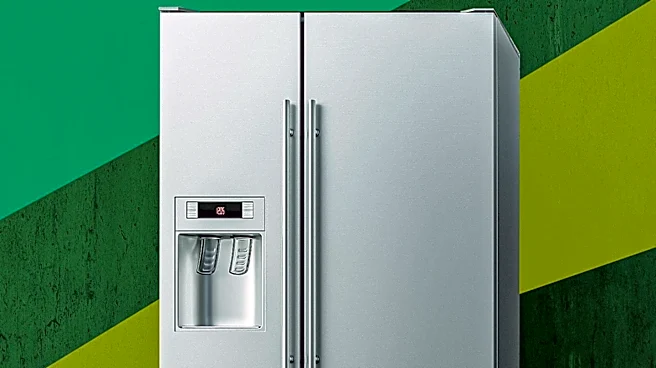
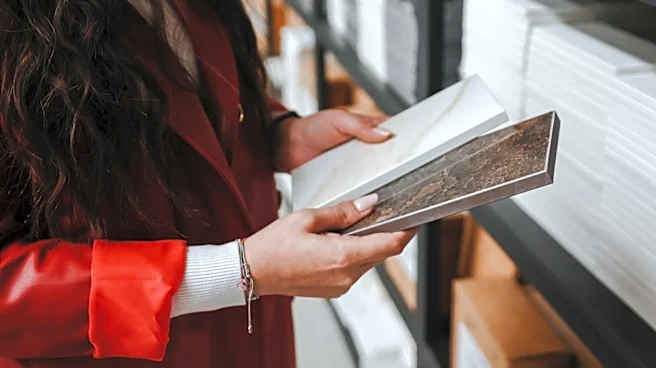
JennAir, a luxury appliance brand, has partnered with Cosentino, a global leader in sustainable surfaces, to introduce the JennAir x Dekton panel collection. This new offering features made-to-order panel systems designed to seamlessly integrate refrigeration
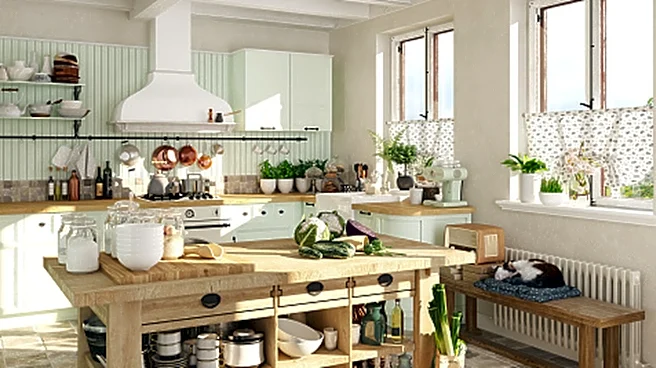
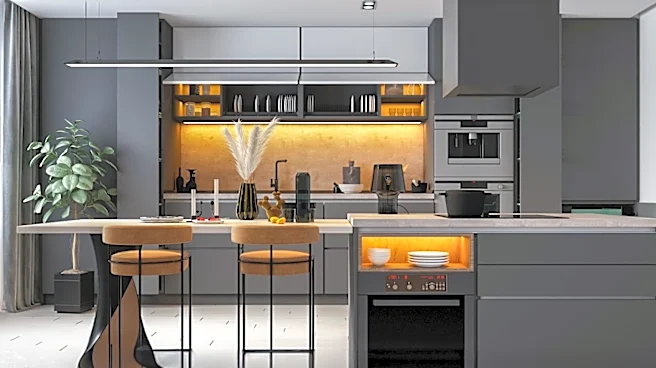
appliances into modern kitchen designs. The Dekton panels, made from a carbon-neutral ultracompact surface, are engineered in a 4mm slim format to meet the weight tolerances and compatibility requirements of select JennAir panel refrigeration and wine columns. This allows designers and homeowners to achieve a continuous stone aesthetic across the kitchen, blending appliances effortlessly with Dekton countertops and cabinetry. The collection includes five custom panel colors, catering to a growing trend towards customization and monolithic designs that conceal everyday items and create refined spaces. The ultra-durable properties of Dekton, such as high resistance to stains, scratches, and heat, contribute to a nearly maintenance-free kitchen.
Why It's Important?
This collaboration between JennAir and Cosentino marks a significant development in the luxury kitchen design market, emphasizing the growing demand for integrated and aesthetically cohesive spaces. For consumers, particularly those in the high-end segment, it offers unprecedented opportunities for customization and a seamless visual flow in their kitchens, transforming appliances from functional necessities into integral design elements. This trend reflects a broader shift in residential design where technology is increasingly hidden or integrated to create a minimalist and refined aesthetic. For the appliance and surfacing industries, this partnership highlights the importance of cross-sector collaboration to meet evolving consumer preferences. It also underscores the value of material innovation, with Dekton's advanced properties enabling new applications in appliance cladding. The focus on durability and low maintenance addresses practical concerns for homeowners, while the carbon-neutral aspect of Dekton aligns with increasing consumer and industry interest in sustainable building materials. This move could set a new standard for luxury kitchen integration, influencing future product development and design trends.
What's Next?
The launch of the JennAir x Dekton panel collection is expected to further accelerate the trend towards integrated and customized kitchen designs. Future developments will likely see an expansion of such partnerships between appliance manufacturers and material suppliers, aiming to offer more diverse aesthetic and functional integration options. The success of this collection could encourage other luxury brands to explore similar solutions, potentially leading to a wider range of materials and finishes for appliance panels. Designers and homeowners will continue to seek innovative ways to create seamless and refined kitchen environments, pushing for appliances that blend effortlessly with cabinetry and countertops. The emphasis on durability and low maintenance will remain a key selling point, driving demand for advanced surfacing materials. Additionally, the focus on sustainability, as exemplified by Dekton's carbon-neutral status, is likely to become a more prominent factor in product development and consumer choice within the luxury segment.
Beyond the Headlines
The JennAir and Cosentino partnership signifies a deeper cultural shift in how we perceive and interact with our living spaces, particularly the kitchen. Beyond mere aesthetics, the desire for 'hidden' or 'integrated' appliances speaks to a broader aspiration for tranquility and order in an increasingly complex world. By concealing the functional aspects of the kitchen, designers are creating spaces that prioritize sensory experience and emotional well-being over overt utility. This trend also reflects a growing appreciation for craftsmanship and bespoke solutions, where mass-produced items are customized to fit individual tastes and architectural contexts. Ethically, the emphasis on 'nearly maintenance-free' surfaces and durable materials could contribute to a more sustainable consumption model by extending product lifespans and reducing waste, contrasting with a culture of rapid obsolescence. However, it also raises questions about accessibility, as such luxury integrations may further widen the gap between high-end and mainstream kitchen design, making sophisticated, integrated aesthetics a privilege rather than a standard.